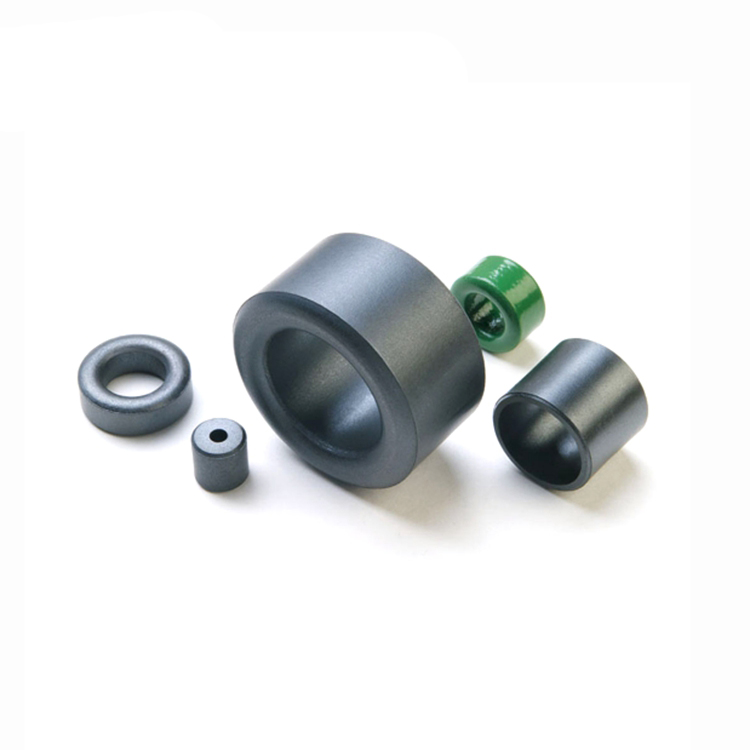
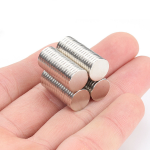
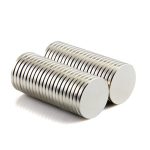
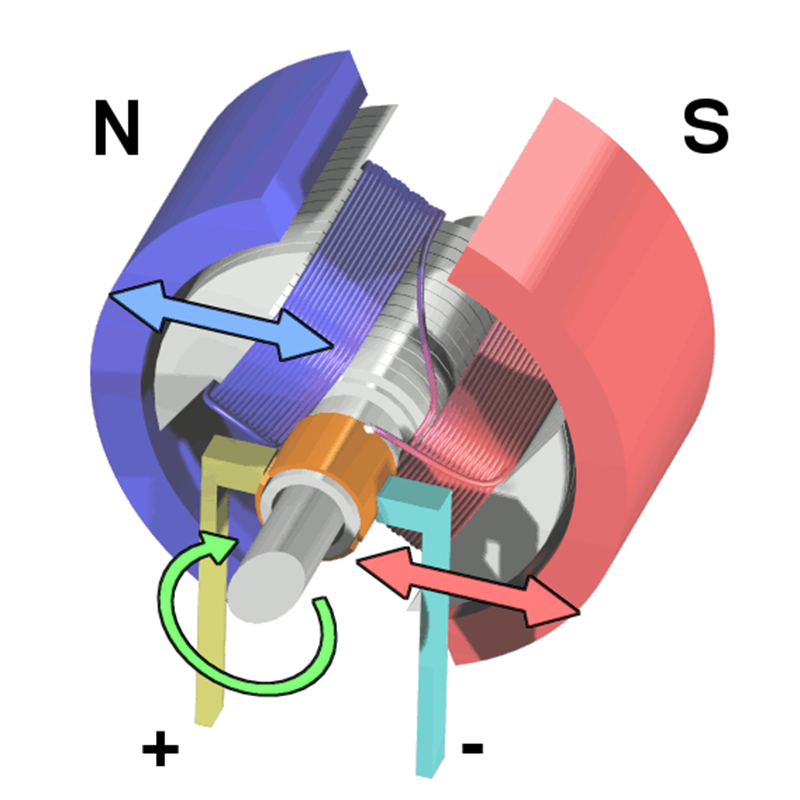
Neodymium metal is primarily employed in the production of extremely potent permanent magnets, such as Neodymium-Iron-Boron magnets, as well as in the production of speciality superalloys and sputtering targets. Neodymium is also utilized in several commercial wind turbine designs’ energy producers and the electric motors of hybrid and electric cars. It is possible to further process neodymium metal to create a variety of ingots, chunks, wires, foils, slabs, rods, discs, and powder forms.
Neodymium Applications in Metal
Neodymium, a rare earth metal, is primarily utilized to make electronic components, functional material additives, high-tech alloy additive materials, and NdFeB magnetic materials.
Neodymium Metal’s Appearance
gray silver metal
Forms Made of Neodymium Metal
granules, sheets, foil, wire, rods, or special forms.
Nickel Iron Boron The strongest permanent magnets now on the market are made of rare earth. They are a secretly important part of computers, automobiles, and mobile devices. We discovered a lot of commonly asked questions from consumers, which we will try to address in this most recent blog.
Technical details about the product: Nd-Fe-B magnets
How and why are rare earth magnets used?
Strong permanent magnets made of rare earth elements are known as rare earth magnets (REE). Along with scandium and yttrium, the seventeen chemical elements known as rare earth elements make up the lanthanide series of metallic chemical elements in the periodic table. Since both neodymium and samarium are rare earth elements and are utilized in the production of neodymium iron boron and samarium cobalt magnets, respectively, their related magnets are referred to as “rare earth magnets.” Keep in mind that the term “Rare” refers to these materials’ characteristics rather than to their scarcity in the Earth’s crust.
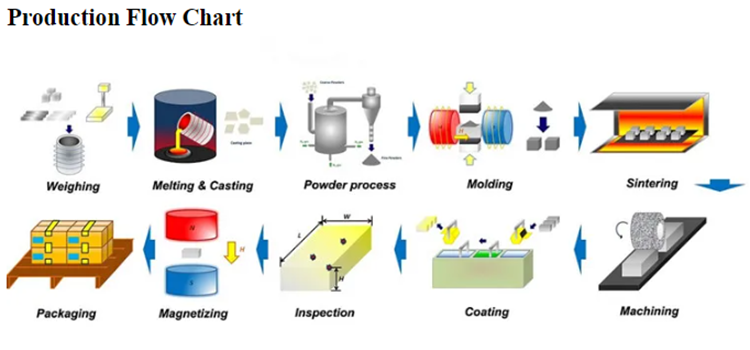
How are neodymium magnets made?
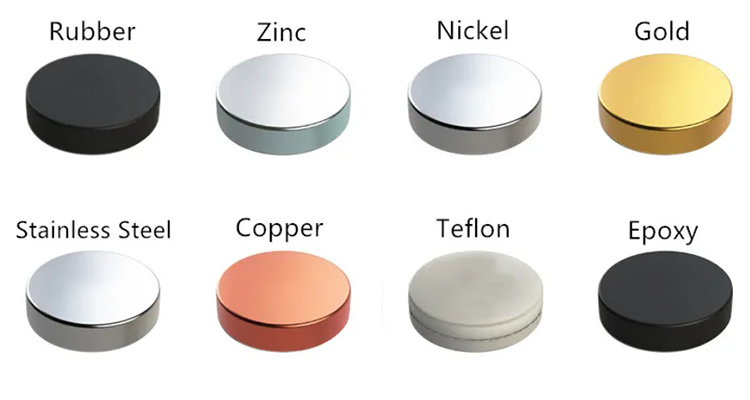
Neodymium, iron, and boron are combined to create neodymium magnets. The component parts are combined, then ground to an extremely fine consistency in a non-reactive atmosphere. A “Green Magnet Block” is produced by pressing powder under intense pressure and a magnetic field after it has reached the ideal mix and domain size. This anisotropic material is sintered and heat-treated over a period of weeks using conventional powder metallurgy methods, and then rapidly chilled to lock in the final metallurgical state and the magnetic orientation. Neodymium magnets typically have a protective coating put to them to stop corrosion and damage, such as nickel or copper nickel plating.
What distinguishes neodymium magnets with the numbers N35, N42, N50, and N52?
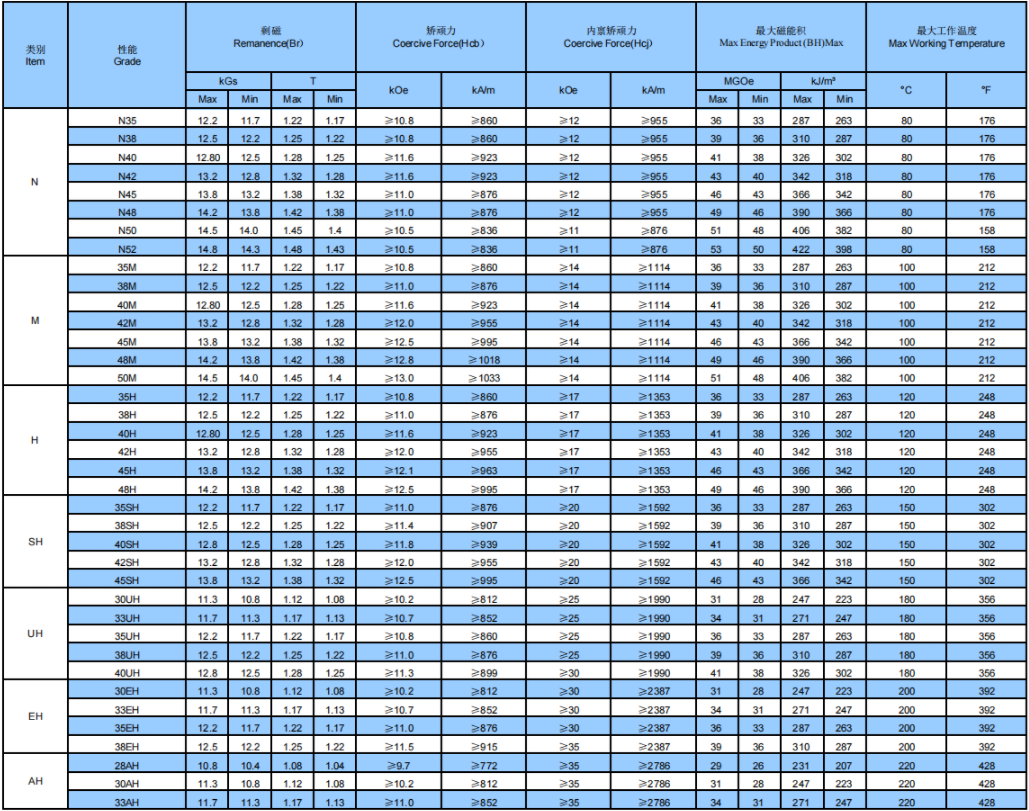
Neodymium magnets come in a variety of grades denoted by the letters N35, etc. The grade of neodymium is indicated by the number after the letter “N.” The grade is based on a magnet’s maximal energy output as measured in Mega-Gauss Oersted (MGOe). For instance, the maximal energy product of an N42 neodymium magnet is 42 MGOe. Generally speaking, the magnet gets stronger the higher the grade. Think of the energy output of a magnet as being comparable to a battery’s MAh (milliampere hours).
The power ratings and capacities of various AA battery types vary, but they all have the same physical factor. Similar to this, a magnet of a certain size can have a wide range of energy densities and functional properties.
Information about Neodymium Magnet Grades from a technical perspective
Do Neodymium Magnets Last Long?
Neodymium magnets are susceptible to corrosion, such as rusting, once they have been created and without a covering. This is because the material’s metallurgical structure, which is hydroscopic (meaning it can absorb water), interacts preferentially with water to generate rust, which is a metaphor for truly decaying from the inside out. The Neodymium Magnets have a long life expectancy once coated, though. There are several different coatings available to fit various settings.
Although the magnetic intensity may be lower, samarium cobalt magnets are best used in corrosive settings since there is seldom any free iron in the matrix.
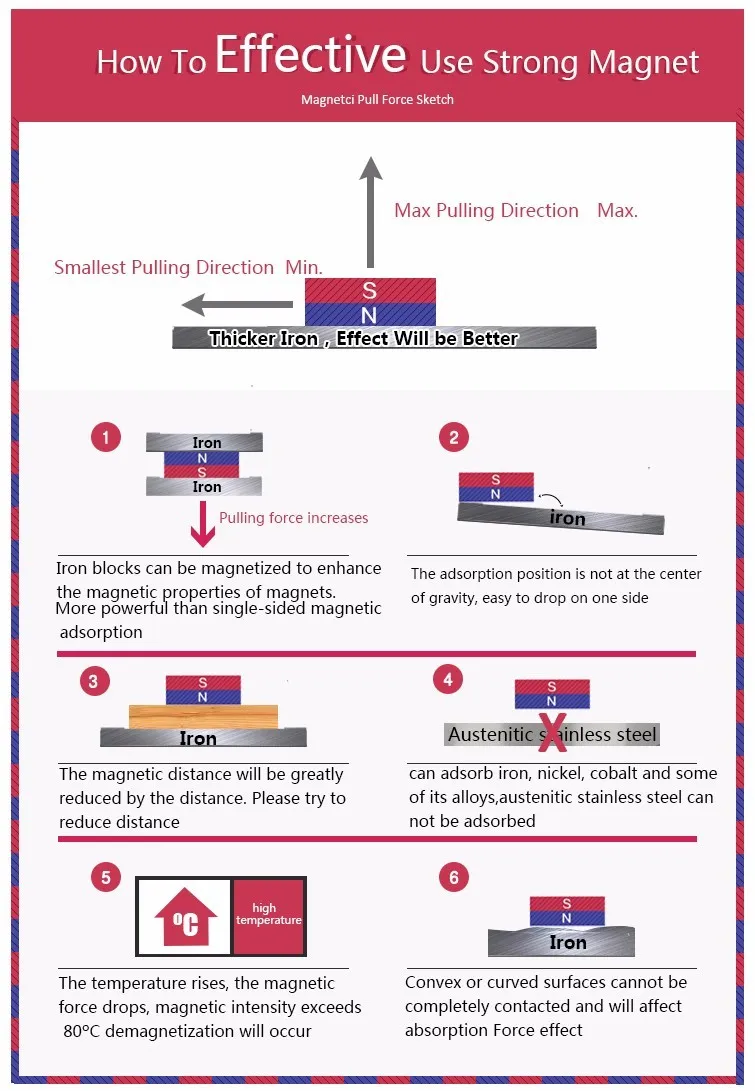
Neodymium magnets that haven’t been magnetized are rather powerful. Once magnetized, every magnetic domain, however, tries to separate from its neighbor. Accordingly, a minor shock—such as the collision of two magnets, a magnet and a piece of magnetic steel, or a bump with any hard object—could cause the microstructure to catastrophically burst, resulting in chips and fractures. Neodymium that has been magnetized as a result is a particularly brittle material, however this is due to both their intrinsic metallurgy and their magnetic properties.
The high shock energy produced when two neodymium magnets are drawn together causes the fragile magnets to crack or chip as they continue to increase in speed as they come together.
Protective coatings can lessen the likelihood of damage, but following suggested handling procedures can stop such damage.
Neodymium magnets: Are they dangerous?
Neodymium magnets are incredibly strong and completely safe when used properly. However, when handling, there are specific health and safety concerns that must be made, such as:
pacifiers and medical equipment
Neodymium magnets should not be handled by anybody wearing a pacemaker or any other medical equipment that is negatively impacted by magnetic fields. The magnetic field may interfere with the medical equipment even if its depth is typically shallow. The risk to one’s health and safety is very high.
Protective lenses
Safety glasses should be used when handling Neodymium Magnets due to the possibility of them chipping or fracturing.
Managing Accidents
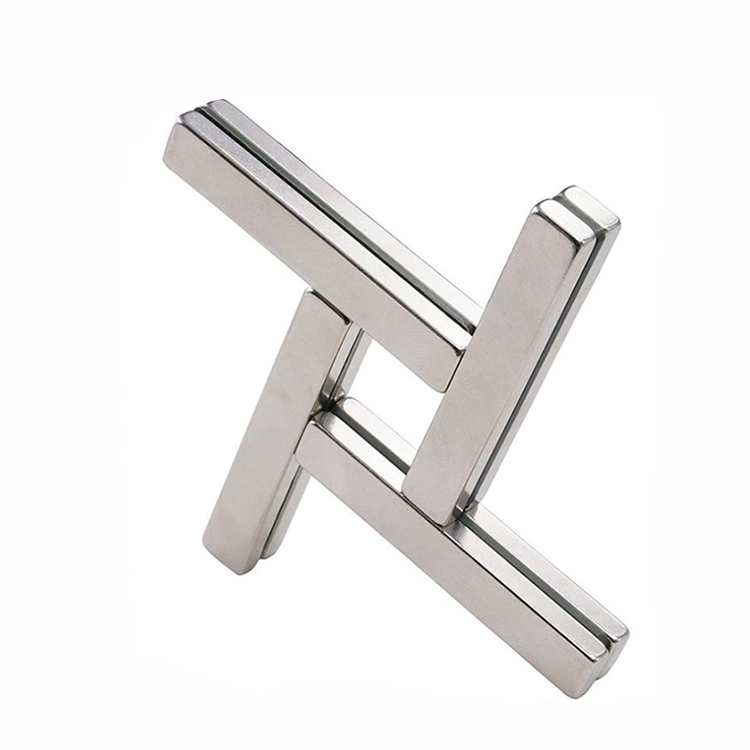
Neodymium magnets attract to one other and to steel (surfaces and tools) with tremendous force and speed. The Neodymium Magnets should be maintained a safe distance away from each other and any magnetically susceptible tool or surface, and handlers should also wear proper safety gloves.
We have developed a more than 60000m2 magnet plant with an annual production of more than 5000 tons of NdFeB Magnets. We provide strong magnet modification in a variety of forms, sizes, and qualities. As a magnet provider for over 30 years, we have supply agreements with many significant worldwide corporations, including Huawei, Disney, Apple, Samsung, Hitachi, and others. As a neodymium magnet provider, we are dedicated to R&D and manufacture of NdFeB with high coercivity, low reversible temperature coefficient, and low weight loss properties. It is the owner of 25 innovation patents and 18 utility model patents.
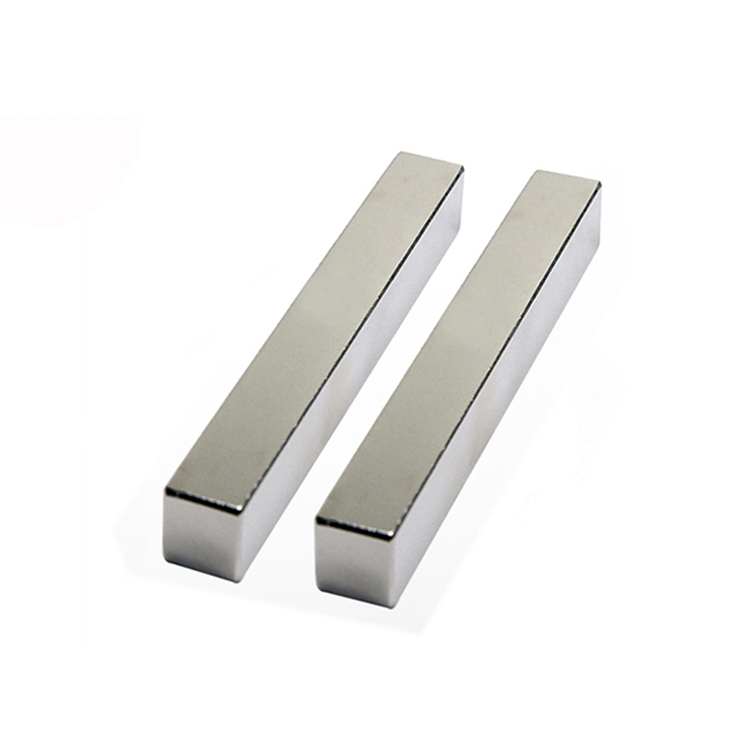
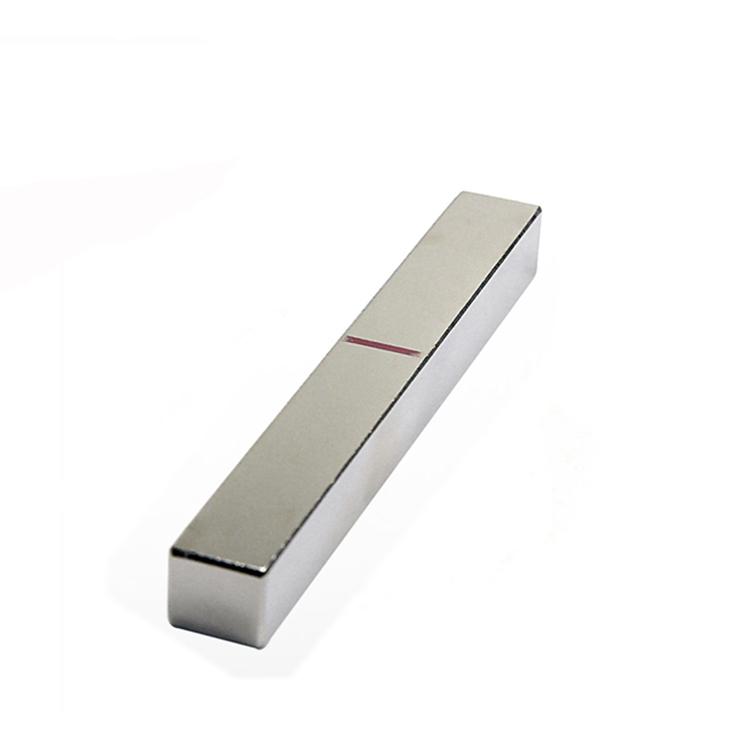
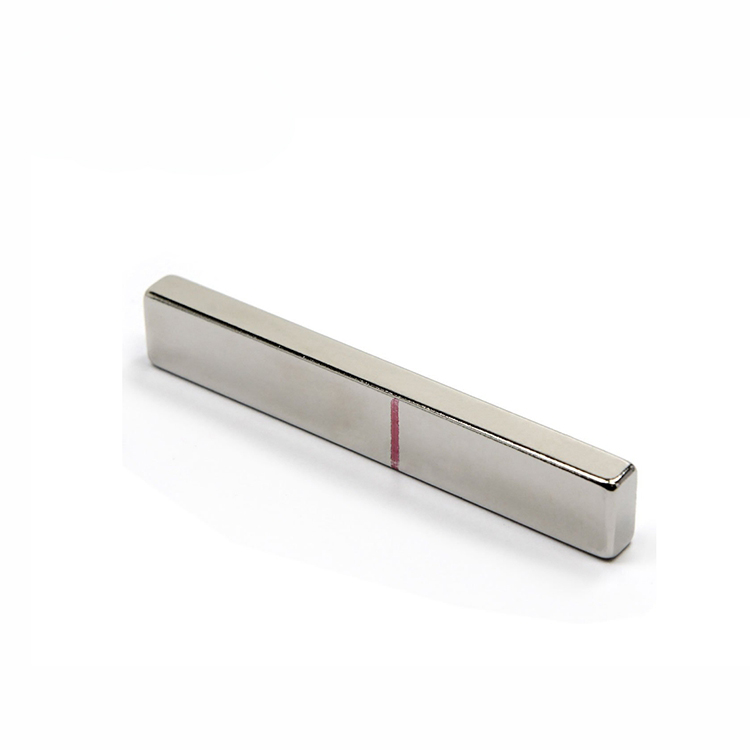
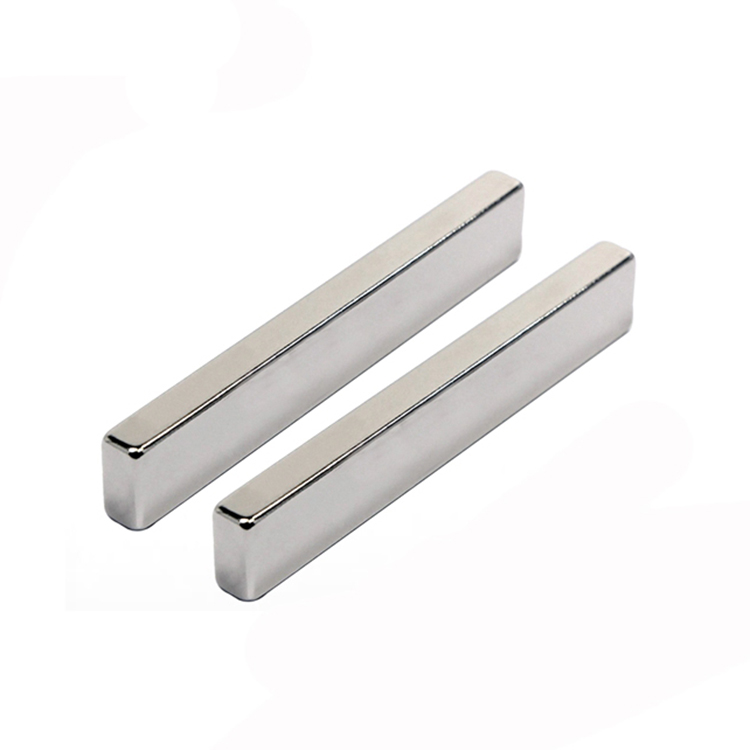
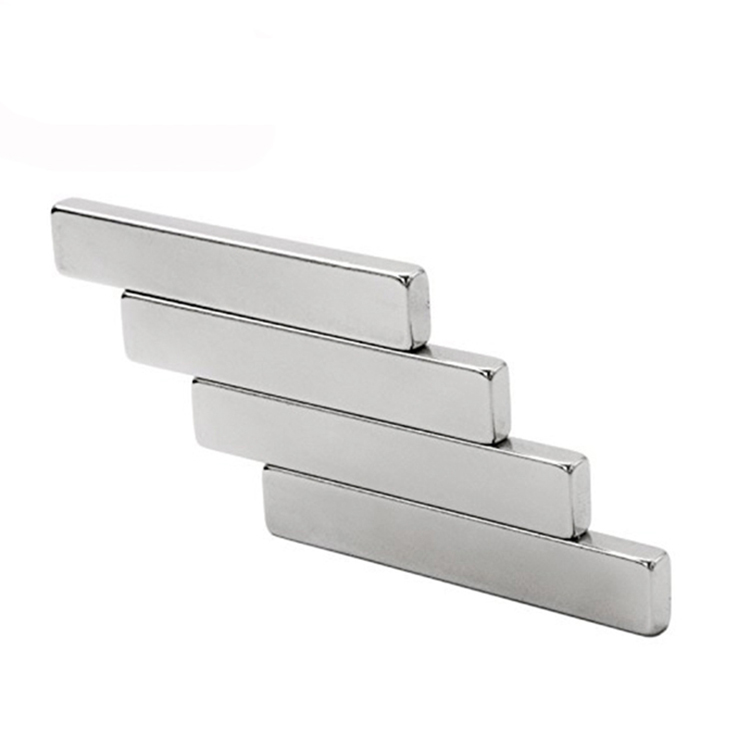
A bar magnet is a magnet that is fashioned like a bar that attracts iron while producing a magnetic field. A bar magnet is rectangular in shape, with width and thickness less than length. Magnetic poles and strengths vary and are unique to each magnet. Neodymium bar magnets are the strongest permanent bar magnets available, and their strength varies with grade.
Our powerful Neodymium Bar Magnets are available in lengths ranging from 1/8″ to 8″. Rare Earth Bar Magnets are available in the following grades: N35, N40, N42, N45, N48, N50, and N52. These powerful bar magnets have draw strengths ranging from 0.36 LB to 600 LB.
All dimensions include +/-.002″ manufacture tolerances. Maximum operating temperatures differ depending on the grade (see specific items).
The Residual Magnetic Flux Density of these Strong Bar Magnets ranges from 11,500 Gauss to 14,400 Gauss (or 1.15 Tesla to 1.44 Tesla). Ni+Cu+Ni triple layer coating, epoxy, and plastic-encased are among the coatings.
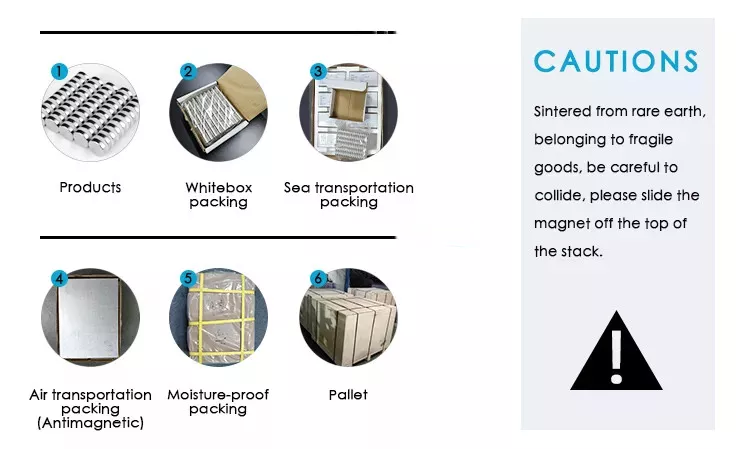
How to Safely Seperate Your DIYMAG Magnets?
CORRECT
1. Slide one magnet off the top of the stack.
2. Once off thestack,carefully start lifting the magnet.
3. Lift the magnet to free it from the stack.
INCORRECT
1. DO NOT attempt to pull, lift, or pry amagnet from the stack before sliding it to the side.
2. DO NOT throw away the white storage spacers.
3. DO NOT allow the magnets to snap to each other or any magnetic surface. doing so may cause magnets to break!
Top Quality Rare Earth Neodymium Rectangle Magnets are utilized in motor, medical, research, sensor, holding, consumer electronics, consumer goods, thin film deposition, and automotive applications. Our large range of neodymium rectangle magnets provides plenty of options; however, if you need a certain size or material grade that is not shown on our website, please contact us for a bespoke magnet estimate.