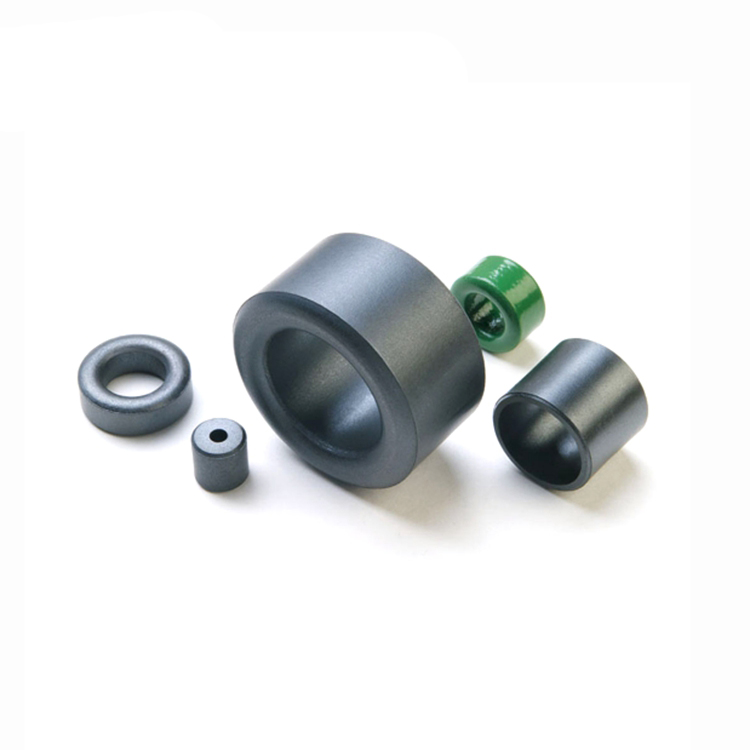
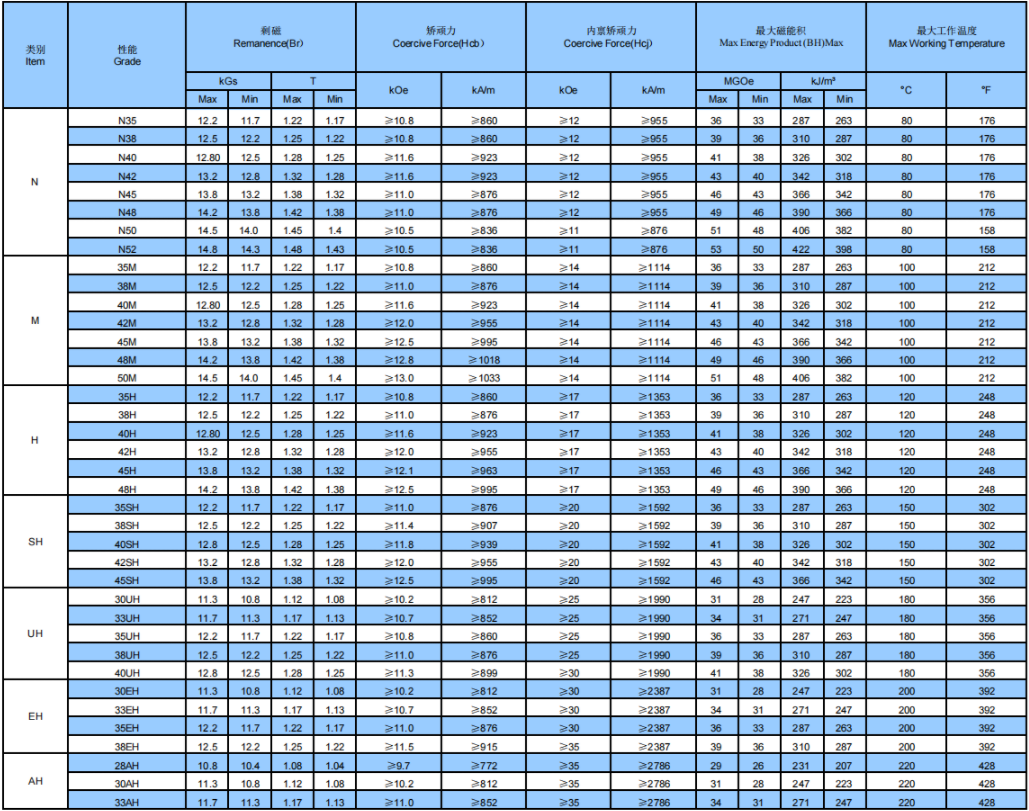
What do the grades of neodymium N35, N38, N42, and N38SH mean? The grade of neodymium magnets is determined by the composition of their substance. The stronger the magnet, in general, the higher the grade (the number after the ‘N’). N52 is the highest grade of neodymium magnet that is now on the market. The magnet’s temperature rating is indicated by any letter that comes after the grade. In the event that the grade is followed by no letters, the magnet is neodymium at normal temperature. Standard (no designation) temperature ratings are as follows: M, H, SH, UH, and EH. On our page dedicated to neodymium magnet specifications, you can discover the temperature rating for each grade.
Details Regarding Neodymium Magnets
Our Specifications of Neodymium Magnets Page has comprehensive information on the thermal and physical characteristics of neodymium magnetic materials.
Coatings and platings
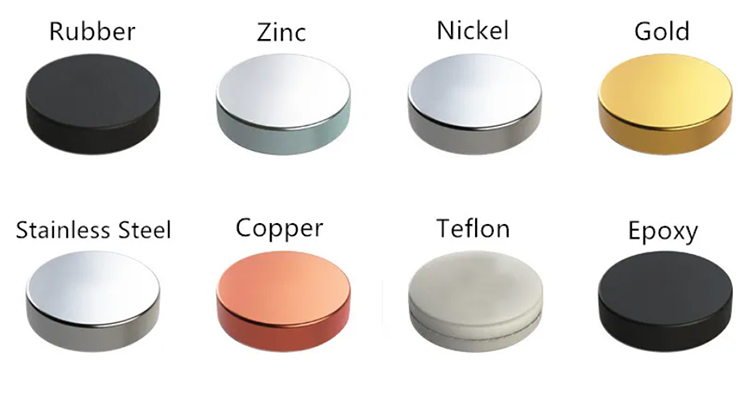
The main components of neodymium magnets are neodymium, iron, and boron. In the event that the magnet’s iron is left outside, it will rust. It is normally recommended to coat the magnet in order to strengthen the fragile magnet material and protect it from corrosion. Although there are several coating alternatives available, nickel is the most widely used and generally favored. In reality, our nickel-plated magnets have three layers of plating: nickel, copper, and nickel once more.
Our magnets are far more durable than the more popular single nickel plated magnets because of this triple coating. Additional coating possibilities include epoxy, gold, silver, tin, copper, and zinc. In reality, our gold-plated magnets have four plating layers: copper, nickel, nickel, and a final layer of gold.
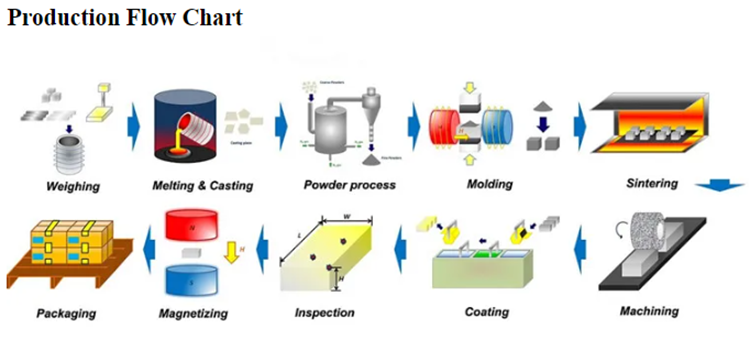
Machining: Neodymium material is difficult to process using traditional techniques because it is fragile and easily chips and cracks. Heat produced during the machining of the magnets has the potential to demagnetize them or possibly fire the poisonous substance if it is not managed. It is advised against machining magnets.
Demonetization
Unlike most other types of magnets, rare earth magnets have a great resistance to demagnetization.
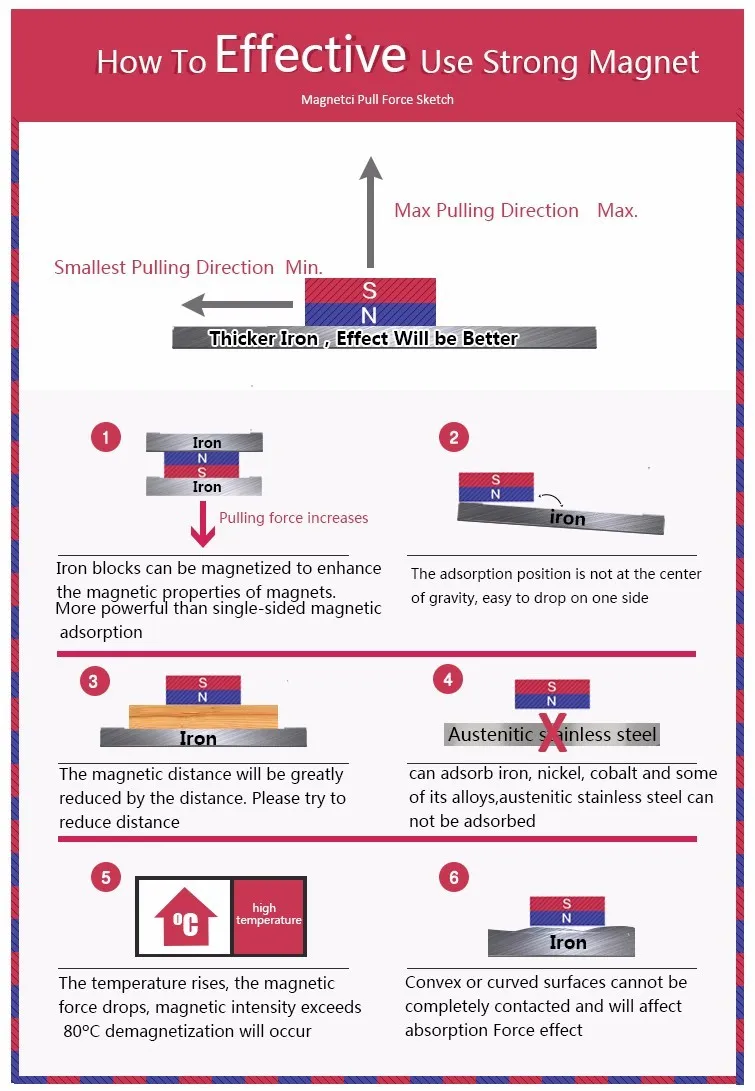
They won’t get less magnetic if dropped or in close proximity to other N35 vs n52 NdFeB Magnet. But, if they are heated over their maximum operating temperature—176°F, or 80°C, for ordinary N grades—they will start to lose strength. If they are heated over their Curie temperature, which for normal N grades is 590°F (310°C), they will lose their magnetization entirely. High temperature materials, which are capable of withstanding greater temperatures without losing strength, are used in certain of our magnets.
Fortitude
You will be astounded by the strength of neodymium magnets if you have never worked with them before. The strongest ceramic magnets are less than ten times as powerful as neodymium magnets. You could certainly utilize a lot smaller neodymium magnet and have more holding force if your project currently uses ceramic magnets.
On our Magnet Summary Page, you can get an estimate of the relative ndfeb magnet structure of each of our magnets. That same page also lists the surface fields of all of our stock magnets. To assist you in estimating the draw force and field strength of magnets at any distance from the magnet, we also provide an online magnet calculator.
There are countless applications for powerful neodymium magnets!
NdFeB metals:
Due to its composition, which consists of neodymium (Nd) alloy, iron (Fe), and boron (B), neodymium magnets are also known as NdFeB magnets. These are the most extensively used and powerful permanent rare-earth magnets. NaNdFeB) magnets were initially produced in 1984 by Sumitomo Special Metals and General Motors. These magnets come in a variety of shapes, including blocks, slits, rings, cylinders, beads, and circles. Due to its widespread application in current technology, including hard drives, magnetic fasteners, automated locks, cordless equipment, and devices used for medical diagnostics, NdFeB magnets are extremely important. Neodymium magnets are advantageous over other kinds of magnets due to their inexpensive cost and powerful magnetic properties. We provide a variety of ndfeb magnet grades in different forms and grades.
Our NdFeB magnets are incredibly dependable, affordable, and easy to use.
For sale are NdFeB magnets:
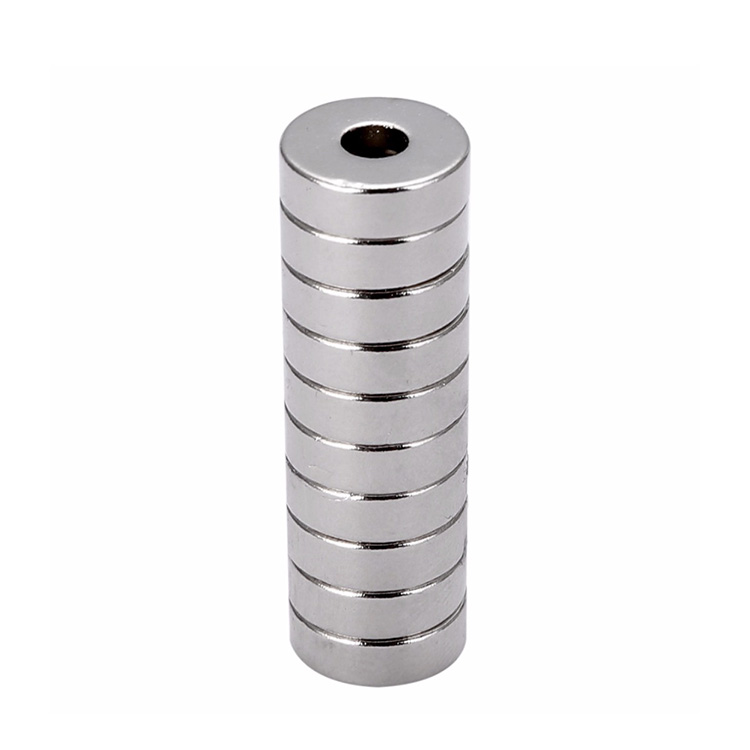
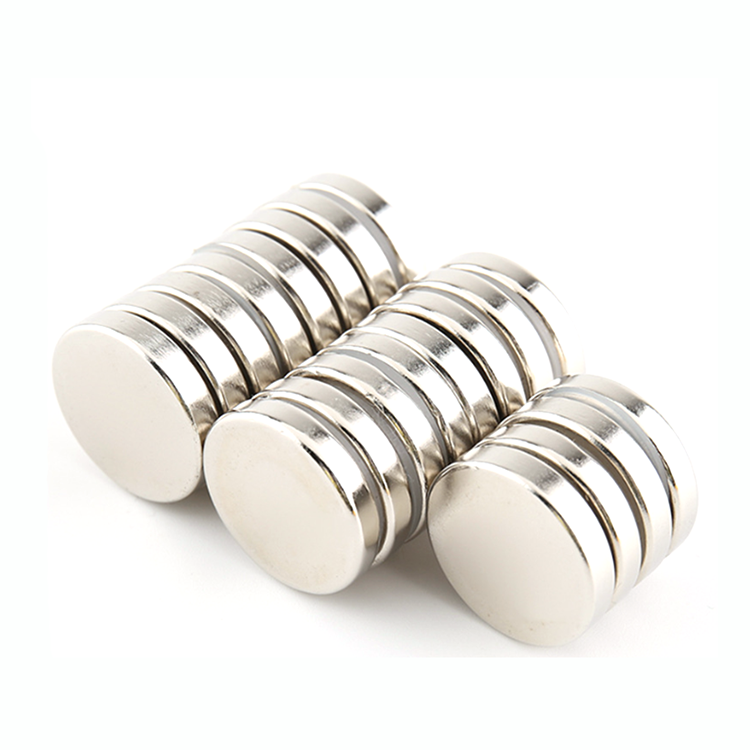
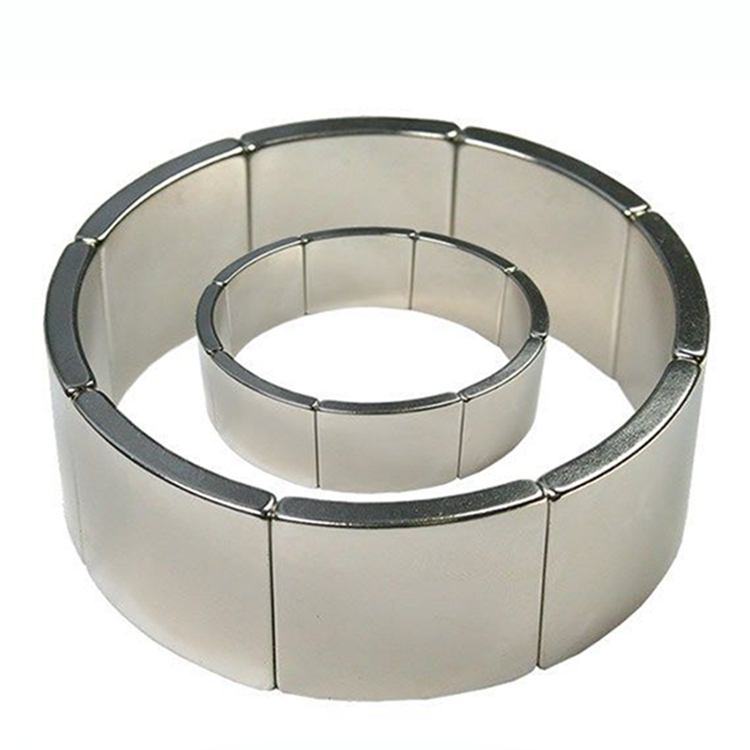
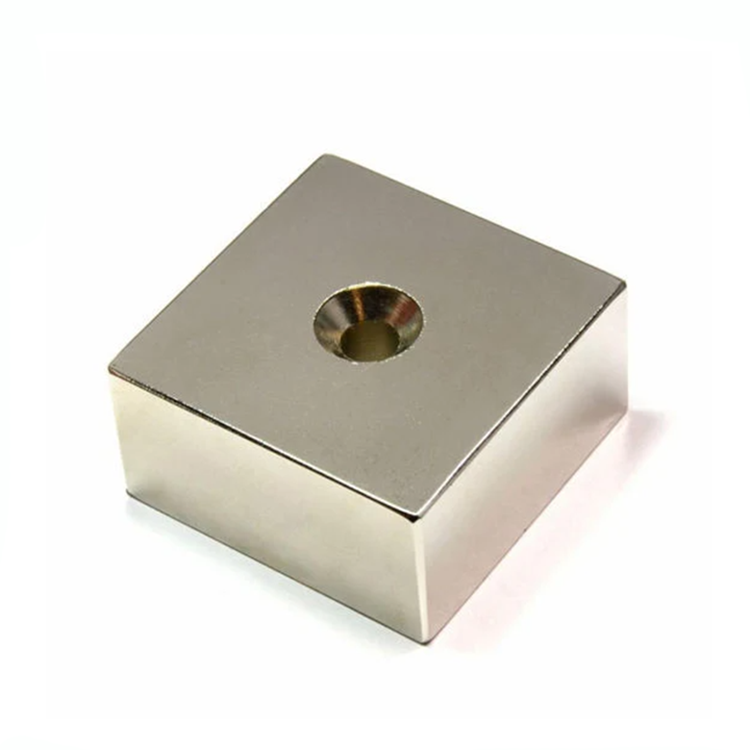
We provide our clients with a range of grades and forms of neodymium (NdFeB) magnets. High-quality, licensed interests in a variety of necessary forms, such as disc, square, rectangle, bead, cylinder, trapezoid, and ring-shaped magnets, are what we provide to our clients. We are able to alter their sizes in accordance with the particular needs of our clients. In addition to the previously listed, we may use our equipment to make any form upon request from a customer.
Neodymium magnet fundamentals: Among all permanent magnets now on the market, neodymium magnets are the strongest rare-earth permanent magnets. They are available in a variety of grades. A magnet’s grade is determined by its composition; for example,
Compared to lower-grade magnets, the high-grade magnet’s composition increases its magnetic strength. After ‘N,’ a grade is typically indicated by a number, such N38 or N52. Letters (M, H, SH, UH, and EH) that indicate the temperature ratings for each grade are also placed after it. Nickel coatings are also used to neodymium magnets to stop the fragile magnet from corroding. Up to 80°C, neodymium magnets are resistant to demagnetization; above that, they begin to lose their magnetism, which they eventually lose entirely at 310°C. The only rare earth magnets that need surface coating are neodymium iron boron magnets, despite having the greatest energy product and the highest magnetic force in the world—they even outperform the strongest samarium cobalt magnets previously.
They must be covered on the outside to prevent rusting. such as spraying epoxy glue on the surface and electroplating with nickel, zinc, tin, and gold. (The surfaces of SmCo, AlNiCo, Ferrite, and Rubber magnets don’t require protection and can be utilized immediately upon fabrication and processing.)
The intermetallic combination Nd2Fe14B serves as the basis for the NdFeB permanent magnet material. Neodymium (Nd), iron (Fe), and boron (B), three rare earth elements, are the principal constituents. Neodymium (Nd) is the most common rare earth element among them. Some other rare earth metals, such as praseodymium (Pr) and dysprosium (Dy), can be swapped to acquire various characteristics.
Aluminum (Al) and cobalt (Co) are two other metals that can partially substitute iron. Although boron has a very tiny concentration, it is crucial to the creation of intermetallic compounds with tetragonal crystal structures, which have high saturation magnetization, high uniaxial anisotropy, and high Curie temperatures.
The permanent rare earth magnet of the third generation The strongest permanent magnet available now is NdFeB. Neodymium (29%–32.5%), a rare earth metal, iron (63.95–68.65%), boron (1.1–1.2%), dysprosium (0.6–8%), niobium (0–3.5%), aluminum (0–3.5%), copper (0.05–0.15%), and other elements are its primary raw materials.
differentiate a magnet
1. Typically, it is put on a surface—such as a patch, blade, iron gate, etc.—that may be absorbed by a magnet of the same specification.
to manually determine the magnetic force’s magnitude
2. Make use of digital scales: The magnetic force of weak magnets is typically correlated with their density. The magnetic force will be negligible at low densities. A hefty weight will result in a comparatively significant magnetic force. Conversely, a little weight will result in a tiny magnetic force. Testing was completed. Summary NdFeB Magnet Heat.
Various classes are assigned to each type of product based on its maximum magnetic energy.
NdFeB magnetic materials are available in the following grades: N35–N52, 35M–50M, 30H–48H, 30SH–45SH, 28UH–35UH, and 28EH–35EH.
Exemplary grade: The permanent magnet material 048021 is made of smelted neodymium iron boron with a maximum BH of 366–398 kj/m3 and a Hcj of 800 KA/m.
Three components make up the grade of sintered neodymium iron boron permanent magnet material: two magnetic characteristics and the primary name. The neodymium element’s chemical symbol (ND), the iron element’s chemical symbol (FE), and the boron element’s chemical symbol (B) make up the first portion, which is the major name. The nominal value of the material’s maximum magnetic energy product (BH) max (unit: kj/m3) is the second part; the value is rounded up. The coercive force value of the magnetic polarization is the third part, which is the number after the diagonal line.
A brand instance Permanent neodymium iron boron magnet NdFeb380/800 implies (BH) max is 366~398 kj/m3, Hcj is 800KA/MR sintered