




Introduction
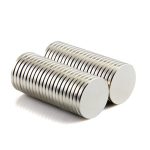
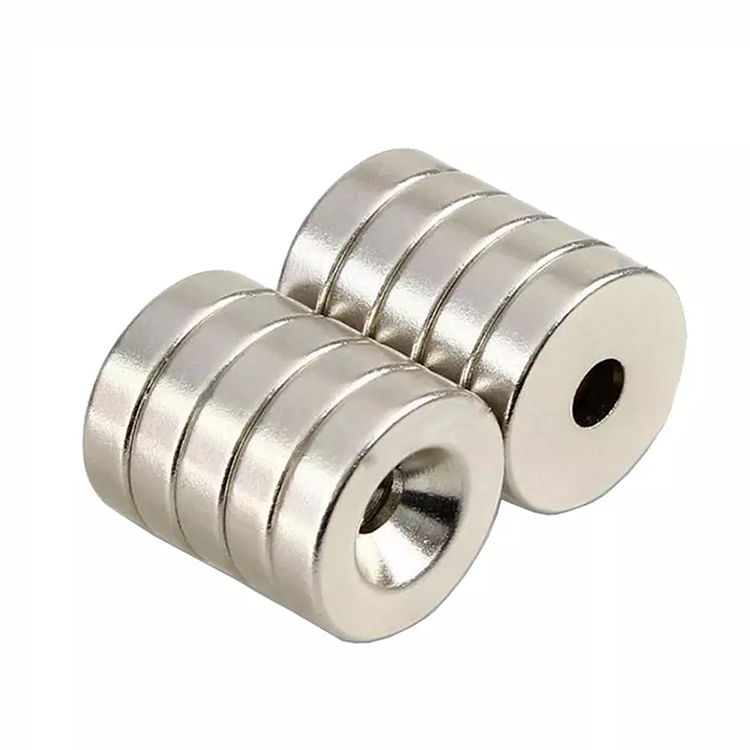
Small Round Neodymium Disc Magnets, known for their exceptional strength, are widely used across various industries. These powerful magnets are indispensable in electronics, medical devices, industrial machinery, and many other applications. However, their durability and performance can be significantly impacted by the environment they are used in. To enhance their longevity and functionality, neodymium magnets are often coated with various materials. This article explores how different coatings affect the durability and performance of small round neodymium disc magnets.
Types of Coatings for Neodymium Magnets
Nickel (Ni)
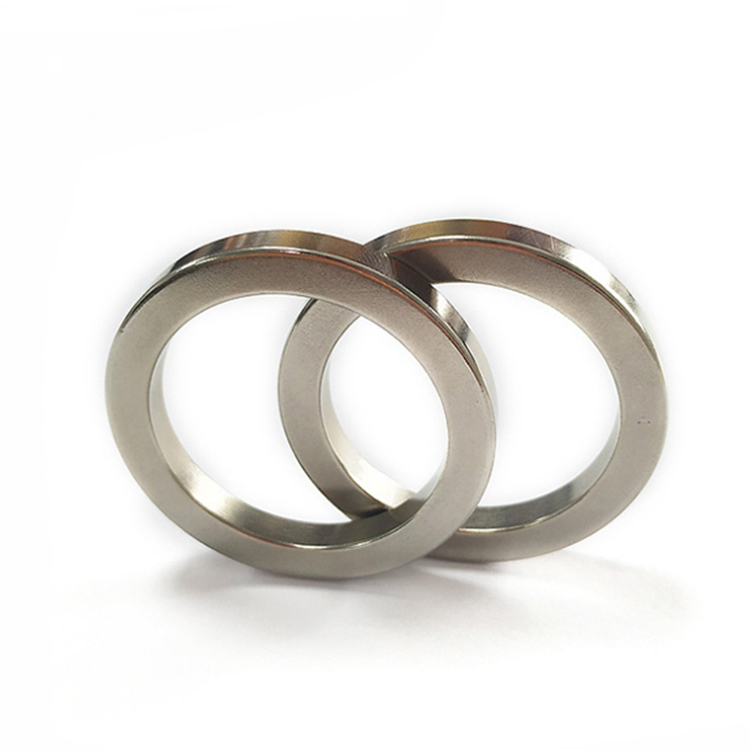
Characteristics: Nickel is one of the most common coatings for Small Round Neodymium Disc Magnets. It typically consists of a layer of nickel, often combined with copper (Ni-Cu-Ni) for enhanced performance. This coating provides a shiny, metallic finish and is known for its hardness and durability.
Common Uses: Nickel-coated magnets are widely used in consumer electronics, motors, and sensors due to their robust protection against wear and moderate corrosion resistance.
Zinc (Zn)
Characteristics: Zinc coatings provide a matte finish and offer good corrosion resistance. They are generally less expensive than nickel coatings but can be less durable under physical stress.
Common Uses: Zinc-coated magnets are commonly used in applications where moderate corrosion resistance is needed, such as in certain electronic components and hardware.
Epoxy
Characteristics: Epoxy coatings provide a thick, durable layer that offers excellent protection against corrosion and physical damage. These coatings are available in various colors, allowing for easy identification and aesthetic customization.
Common Uses: Epoxy-coated magnets are often used in outdoor and harsh environments where superior corrosion resistance and physical protection are essential, such as in automotive parts and outdoor equipment.
Or (Au)
Characteristics: Gold coatings offer excellent corrosion resistance and biocompatibility, making them suitable for use in sensitive applications. The coating is typically very thin, which means it does not significantly affect the magnetic strength.
Common Uses: Gold-coated magnets are primarily used in medical devices and high-end electronic components where both biocompatibility and corrosion resistance are crucial.
Rubber
Characteristics: Rubber coatings provide a soft, protective layer that enhances grip and protects the magnet from physical damage. This coating also offers some level of water resistance.
Common Uses: Rubber-coated magnets are ideal for applications requiring a non-slip grip, such as in magnetic hooks, tool holders, and various consumer products.
Combination Coatings (e.g., Ni-Cu-Ni)
Characteristics: Combination coatings, like Ni-Cu-Ni, offer layered protection. The copper layer provides an additional barrier against corrosion, while the outer nickel layers add hardness and wear resistance.
Common Uses: These coatings are used in demanding applications where enhanced durability and corrosion resistance are required, such as in motors, sensors, and industrial machinery.
Durability of Coated Neodymium Magnets
- Protection Against Corrosion
Importance of Corrosion Resistance: Small Round Neodymium Disc Magnets are highly susceptible to corrosion, particularly in humid or wet environments. Corrosion can significantly degrade a magnet’s performance over time.
Comparison of Coating Effectiveness: Nickel and combination coatings (e.g., Ni-Cu-Ni) are very effective in preventing corrosion, making them suitable for most indoor applications. Epoxy coatings provide superior protection in harsher environments, while gold coatings offer excellent corrosion resistance for sensitive applications.
- Resistance to Physical Wear and Tear
Impact of Different Coatings on Wear Resistance: Nickel coatings are hard and durable, providing good protection against physical wear. Epoxy and rubber coatings, while not as hard, offer good protection against physical impacts and abrasion.
Examples of High-Wear Applications: In applications such as motors and sensors, where magnets are subjected to continuous friction and impact, nickel and combination coatings are often preferred. Epoxy coatings are used in outdoor equipment and automotive parts that face constant exposure to the elements.
- Facteurs environnementaux
Resistance to Humidity and Moisture: Epoxy and gold coatings provide excellent resistance to humidity and moisture, making them ideal for outdoor and medical applications. Nickel coatings also offer good protection but may not be as effective as epoxy in extremely humid conditions.
Performance in Extreme Temperatures: Samarium-cobalt magnets, often used in high-temperature environments, can also benefit from protective coatings. Nickel and combination coatings perform well in a wide temperature range, while rubber coatings are better suited for lower temperature applications where flexibility and grip are needed.
Performance of Coated Small Round Neodymium Disc Magnets
- Force magnétique
Influence of Coating Thickness on Magnetic Field: The thickness of the coating can slightly affect the magnetic field of a neodymium magnet. Thicker coatings, such as epoxy or rubber, may reduce the magnet’s effective strength slightly due to the increased distance between the magnet and the object it is attracting.
Trade-Offs Between Protection and Performance: While thicker coatings provide better protection, they may reduce magnetic performance. This trade-off must be considered when selecting a coating for specific applications.
- Adhesion and Coating Integrity
How Well Different Coatings Adhere to the Magnet Surface: Adhesion quality is crucial for the long-term performance of coated magnets. Nickel and combination coatings typically adhere well and provide durable protection. Epoxy coatings also offer strong adhesion but can be prone to chipping if not handled carefully.
Long-Term Performance and Maintenance: High-quality coatings like Ni-Cu-Ni and epoxy provide long-term durability with minimal maintenance. Gold coatings, while effective, are thin and may wear off over time if subjected to continuous friction.
- Aesthetic and Functional Considerations
Visual Appeal and Identification: Coatings like epoxy and gold can enhance the visual appeal of magnets, making them more suitable for consumer products. Different colors can also help in identifying and organizing magnets for various applications.
Functional Benefits (e.g., Rubber Coating for Grip): Rubber coatings provide functional benefits such as enhanced grip and shock absorption, making them ideal for applications where magnets need to be handled frequently or attached to smooth surfaces.
Application-Specific Coating Choices
- Electronics and Gadgets
Preferred Coatings for Small Devices: Nickel and combination coatings are often used in small electronic devices due to their durability and minimal impact on magnetic strength. Gold coatings are used in high-end electronics where corrosion resistance and biocompatibility are essential.
Impact on Device Performance and Lifespan: The right coating can extend the lifespan of electronic devices by protecting the magnets from corrosion and wear, ensuring consistent performance over time.
- Dispositifs médicaux
Biocompatible Coatings: Gold and certain epoxy coatings are preferred for medical devices due to their biocompatibility and excellent corrosion resistance. These coatings ensure that the magnets do not react with bodily fluids or tissues.
Importance of Durability and Safety: In medical applications, the durability and safety of magnets are paramount. Coatings must prevent corrosion and maintain magnetic performance to ensure the reliability of medical devices.
- Applications industrielles
Heavy-Duty Coatings for Industrial Use: In industrial settings, magnets often face harsh conditions. Nickel and combination coatings provide the necessary durability and corrosion resistance. Epoxy coatings are used in environments with high humidity or exposure to chemicals.
Balancing Cost and Performance: Industrial applications require a balance between cost and performance. While high-performance coatings like Ni-Cu-Ni offer superior protection, their cost must be justified by the application’s requirements.
- Hobby and Crafts
User-Friendly Coatings: For hobby and crafts applications, rubber and epoxy coatings are popular due to their safety and ease of use. These coatings provide a non-slip grip and protect both the magnets and the user from potential harm.
Durability in Creative Applications: Coatings that offer good durability and aesthetic appeal are preferred for creative projects. Rubber coatings are particularly useful for applications where magnets need to be handled frequently or attached to various surfaces.
Case Studies and Examples
- Case Study 1: Nickel-Coated Small Round Neodymium Disc Magnets in Consumer Electronics
-

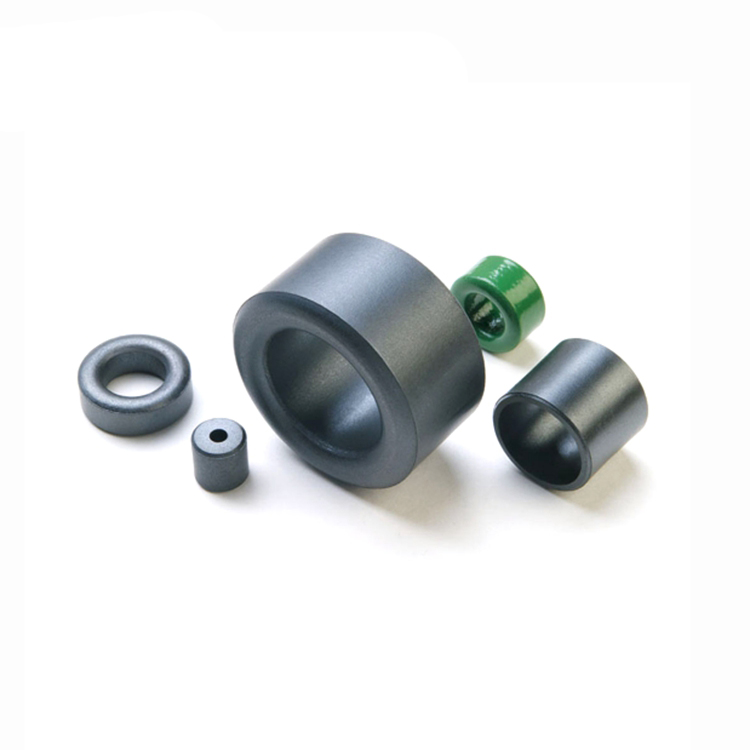
Anneaux magnétiques en néodyme
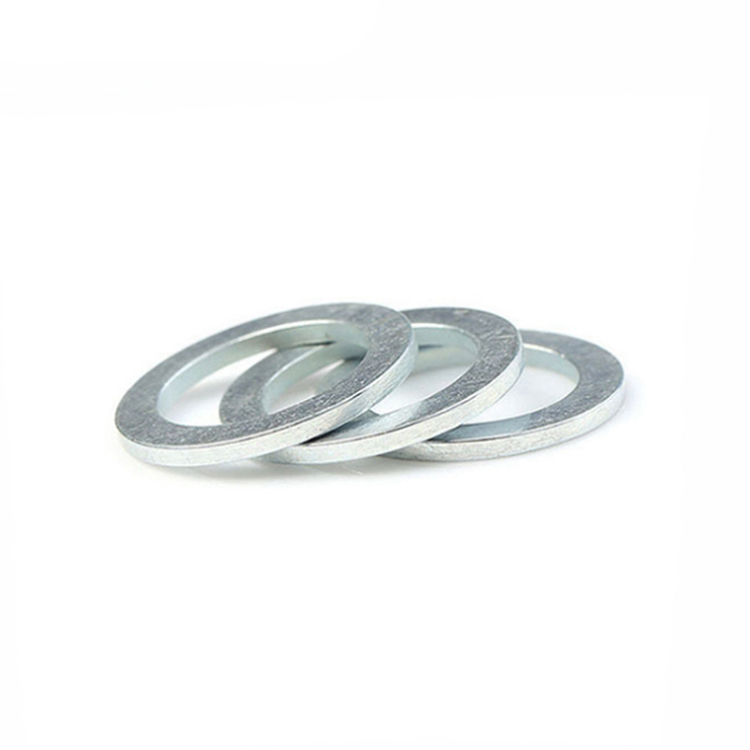
Application: Used in headphones and small electronic devices.
Coating Benefits: Nickel coating provides durability and corrosion resistance, ensuring long-term performance and maintaining the magnetic strength needed for these applications.
- Case Study 2: Epoxy-Coated Small Round Neodymium Disc Magnets in Outdoor Applications
Application: Used in outdoor tools and equipment.
Coating Benefits: Epoxy coatings offer superior protection against moisture and physical damage, making these magnets ideal for outdoor use where they are exposed to harsh environmental conditions.
- Case Study 3: Gold-Coated Small Round Neodymium Disc Magnets in Medical Devices
Application: Used in implantable medical devices.
Coating Benefits: Gold coatings provide excellent biocompatibility and corrosion resistance, ensuring that the magnets do not degrade or cause adverse reactions in the body.
Conclusion
The coating of small round neodymium disc magnets plays a crucial role in determining their durability and performance. Different coatings offer unique benefits and are chosen based on the specific requirements of the application. Nickel and combination coatings provide robust protection and are widely used in electronics and industrial applications. Epoxy coatings offer superior corrosion resistance for harsh environments, while gold coatings ensure biocompatibility for medical devices. Rubber coatings add functional benefits like enhanced grip and shock absorption.