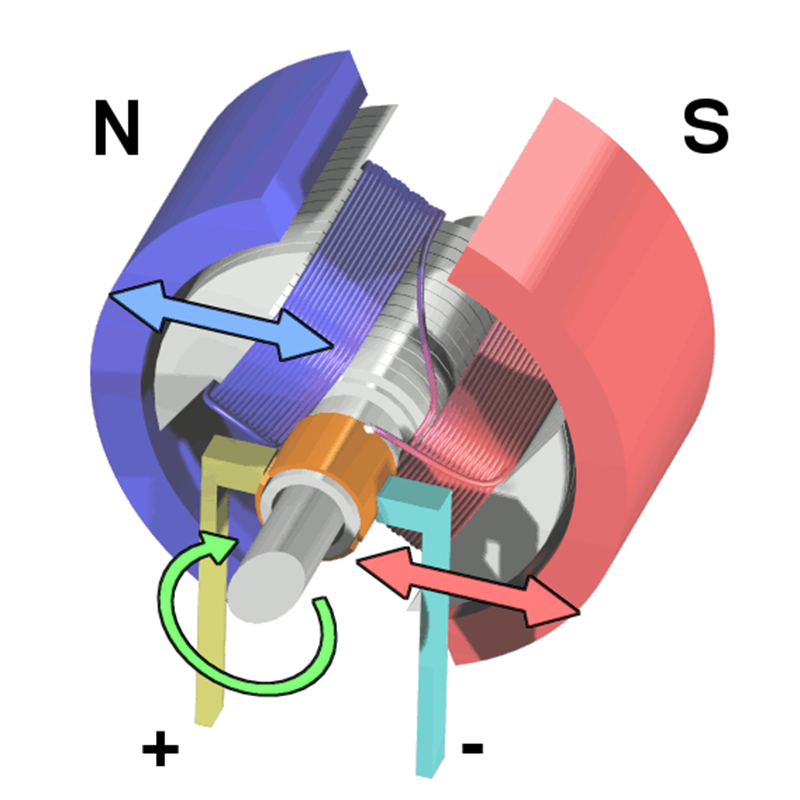




Neodymium magnets, also known as NdFeB magnets, are the strongest type of permanent magnet currently available. They are composed of neodymium, iron, boron, and trace amounts of other elements. Due to their exceptional strength, neodymium magnets find use in a wide variety of applications, from consumer electronics like loudspeakers and headphones to high-tech machinery employed in medical imaging equipment and electric vehicles.
One of the key advantages of neodymium magnets is their versatility. Not only are they incredibly strong, but they can also be customized to meet the specific needs of an application. This customization allows engineers and designers to optimize the performance of their products by tailoring the magnet’s properties to the exact requirements. In this article, we will explore the different custom capabilities offered by neodymium magnet manufacturers.
Custom Capabilities Offered by Neodymium Magnet Manufacturers
When it comes to customization, neodymium magnet manufacturers provide a wide range of options to cater to diverse applications. Here’s a breakdown of some of the most common customization options:
- Shape and Size Customization
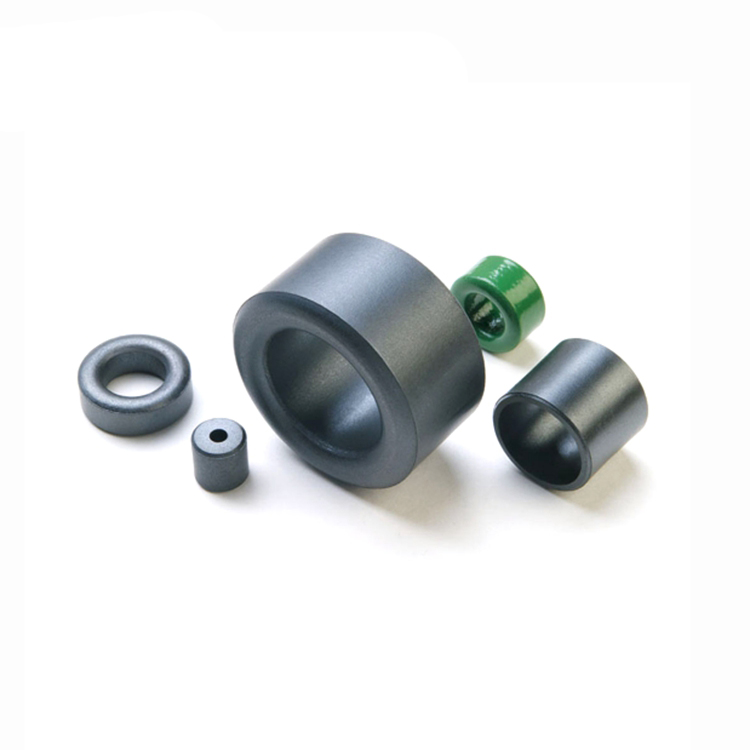
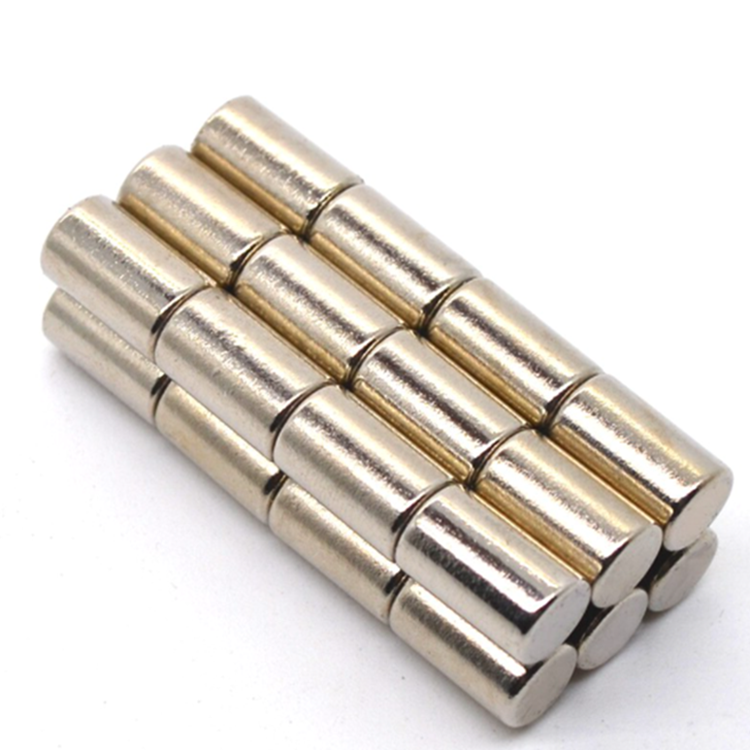
Neodymium magnets are not limited to the standard bar or horseshoe shapes most people might associate with magnets. Modern manufacturing techniques allow producers to create magnets in a vast array of shapes, including:
Rings: These circular magnets are often used in electric motors, sensors, and loudspeakers.
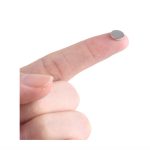
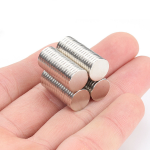
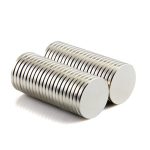
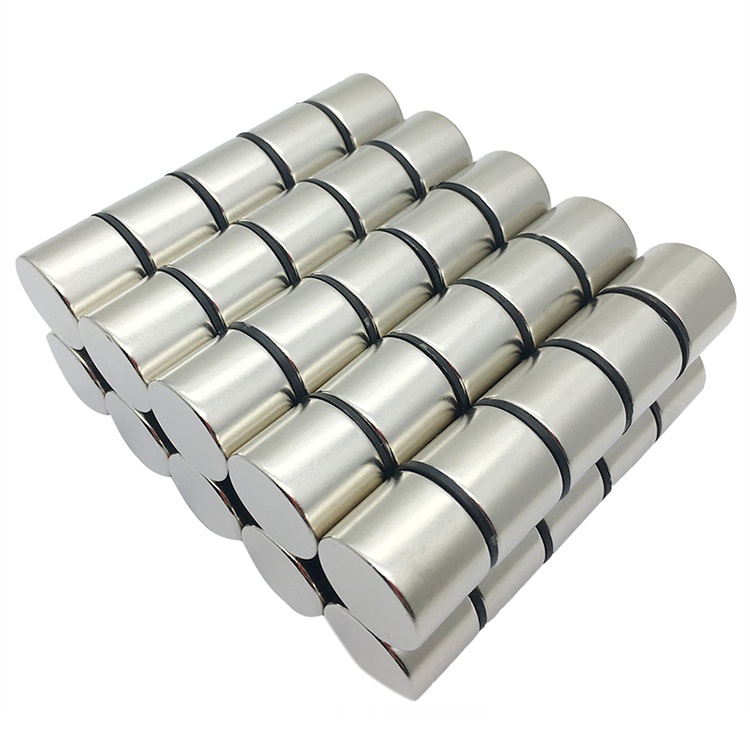
Discs: Flat and round, disc magnets are commonly found in hard drives, MRI machines, and various holding applications.
Blocks: Rectangular blocks are versatile and can be employed in magnetic tools, separators, and clamping fixtures.
Arcs: These crescent-shaped magnets are used in specific motor designs and holding applications where a curved shape offers advantages.
Beyond these standard shapes, many manufacturers can also produce custom shapes based on a client’s specifications. This allows for a high degree of design freedom and the creation of magnets that perfectly integrate into a specific application.
In terms of size, neodymium magnets can be incredibly small, with micro-dimensions on the order of tenths of a millimeter. On the other end of the spectrum, manufacturers can produce large-scale magnets weighing several tons for use in industrial machinery. This vast range in size caters to applications demanding both miniature and heavy-duty magnetic solutions.
An important aspect of size customization is tolerance. Tolerance refers to how closely the actual dimensions of the finished magnet match the specified dimensions. High-quality manufacturers can achieve tolerances of up to ±0.0001 inches, ensuring precise and consistent magnet sizes for critical applications.
- Grade and Magnetic Strength
Neodymium magnets are classified by a grading system that indicates their maximum energy product (BHmax). This BHmax value represents the magnet’s intrinsic strength, essentially how much magnetic energy it can store. Higher grades correspond to stronger magnets. Here’s a breakdown of some common neodymium magnet grades:
N35: A mid-range grade offering a good balance between strength and affordability. Commonly used in consumer electronics and office supplies.
N38: Slightly stronger than N35, offering a good option for applications requiring moderate magnetic force.
N42: A popular grade for industrial applications due to its increased strength.
N45: Even stronger than N42, offering significant magnetic force for demanding applications.
N50, N52: These are the strongest commercially available grades, used in high-performance applications where maximum magnetic force is crucial.
It’s important to note that there is a trade-off between magnetic strength and other properties. Higher-grade magnets (N45, N52) are indeed stronger, but they are also more brittle and more expensive. Lower-grade magnets (N35, N38) are less brittle and more affordable, making them suitable for applications where raw strength is not the primary concern. Choosing the optimal grade involves considering the required magnetic force against factors like cost and potential for impact or stress in the application.
- Coating Options
Neodymium magnets are susceptible to corrosion, especially in humid environments. To prevent this, manufacturers offer a variety of coatings that protect the magnet and ensure long-term performance. Here are some of the most common coating options:
Nickel: The most common and affordable coating, offering basic corrosion resistance.
**Nickel-Copper-Nickel (Ni-Cu-Ni):** A three-layer coating that provides superior corrosion resistance compared to nickel alone. The copper layer acts as a diffusion barrier between the nickel layers, significantly slowing down corrosion.
Epoxy: The most corrosion-resistant coating option, ideal for applications in harsh environments or where exposure to chemicals is a concern. Epoxy coatings also provide good scratch and wear resistance.
The choice of coating depends on the specific application environment. For mild environments, nickel might suffice. For more demanding conditions with moisture or chemicals, nickel-copper-nickel or epoxy coatings offer better protection.
- Additional Services
In addition to the core customization options mentioned above, many neodymium magnet manufacturers provide additional services that can add value to the final product. Some of these services include:
Machining: This process involves using CNC machines or other tools to create precise features on the magnet, such as holes, slots, or grooves. Machining allows for the creation of complex magnet shapes that may not be achievable through direct molding.
Grinding: This process refines the magnet’s surface to achieve a desired level of smoothness and precision. Tight tolerances can be achieved through grinding, ensuring consistent performance in the final application.
Assembly: Some manufacturers offer magnet assembly services, where they integrate the magnets with other components to create a sub-assembly or finished product. This can be beneficial for applications requiring complex magnetic assemblies.
These additional services allow manufacturers to provide a one-stop shop for clients, streamlining the production process and reducing the need for multiple vendors.
Schlussfolgerung
The ability to customize neodymium magnets is a powerful tool for engineers and designers. By considering the various customization options offered by manufacturers, one can create magnets that are perfectly suited for a specific application.
Custom magnet shapes allow for optimal integration into a design, eliminating the need to compromise on functionality due to limited standard shapes. A wide range of size options caters to applications of all scales, from miniature electronics to industrial machinery. Precise tolerances ensure consistent performance and reliable operation.
Selecting the appropriate grade balances magnetic strength with cost and brittleness considerations. Choosing the right coating protects the magnet from corrosion and ensures long-term durability. Additional services like machining, grinding, and assembly can further enhance the functionality and value of the final product.
By working closely with a reputable Hersteller von Neodym-Magneten and taking advantage of the available customization options, one can unlock the full potential of neodymium magnets and achieve superior performance in a wide range of applications.