





Einführung
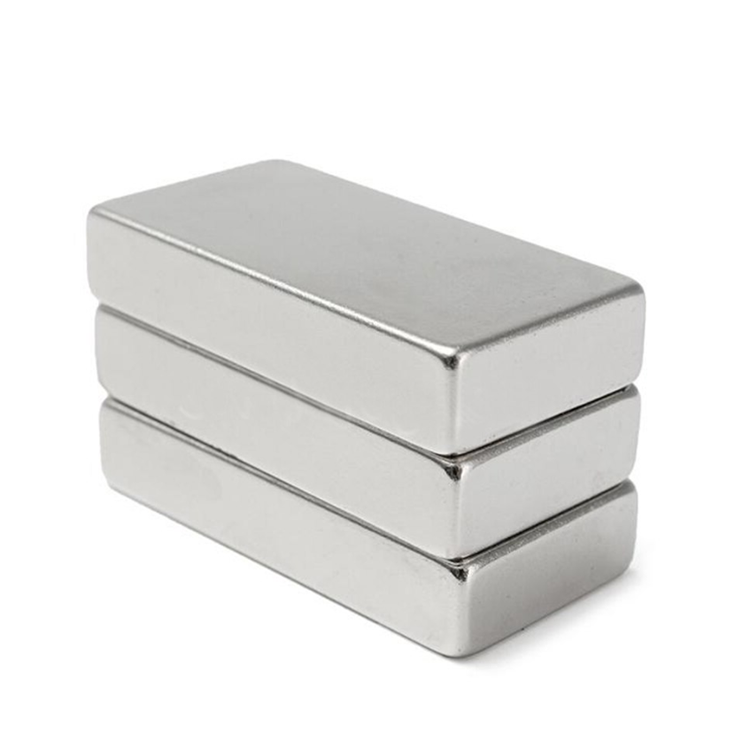
Ceramic block (ferrite) rectangular magnets are a type of permanent magnet widely used in various industrial and commercial applications. Understanding their characteristics and properties is crucial for optimizing their performance and selecting the most suitable magnet for specific applications. In this comprehensive guide, we delve into the composition, magnetic and physical properties, temperature stability, applications, customization options, and more concerning ceramic block magnets.
Composition and Structure
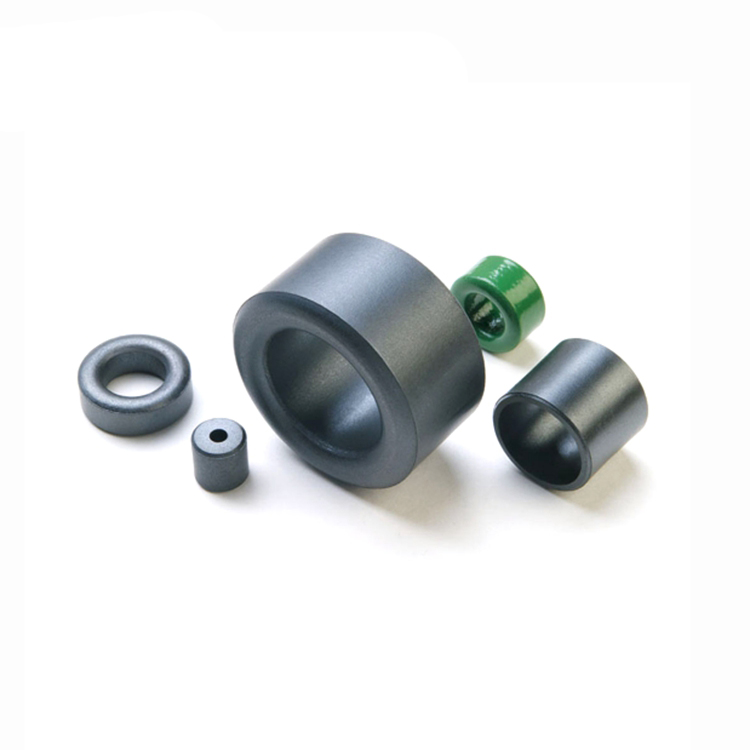
Ceramic block magnets, also known as ferrite magnets, are composed primarily of iron oxide (Fe2O3) and other materials such as strontium carbonate (SrCO3) or barium carbonate (BaCO3). These materials are mixed together, pressed into shape, and sintered at high temperatures to form the final magnet. The resulting structure typically consists of aligned magnetic domains within a ceramic matrix, contributing to the magnet’s overall magnetic properties and structural integrity.
Magnetische Eigenschaften
Ceramic block magnets exhibit moderate magnetic strength compared to other permanent magnet materials such as neodymium or samarium cobalt. Key magnetic properties include coercivity, remanence, and energy product. Coercivity refers to the magnet’s resistance to demagnetization, while remanence represents the residual magnetic flux density retained after the magnetizing field is removed. The energy product indicates the maximum amount of magnetic energy that the magnet can supply per unit volume. Understanding these properties is essential for assessing the magnet’s performance and suitability for specific applications.
Physikalische Eigenschaften
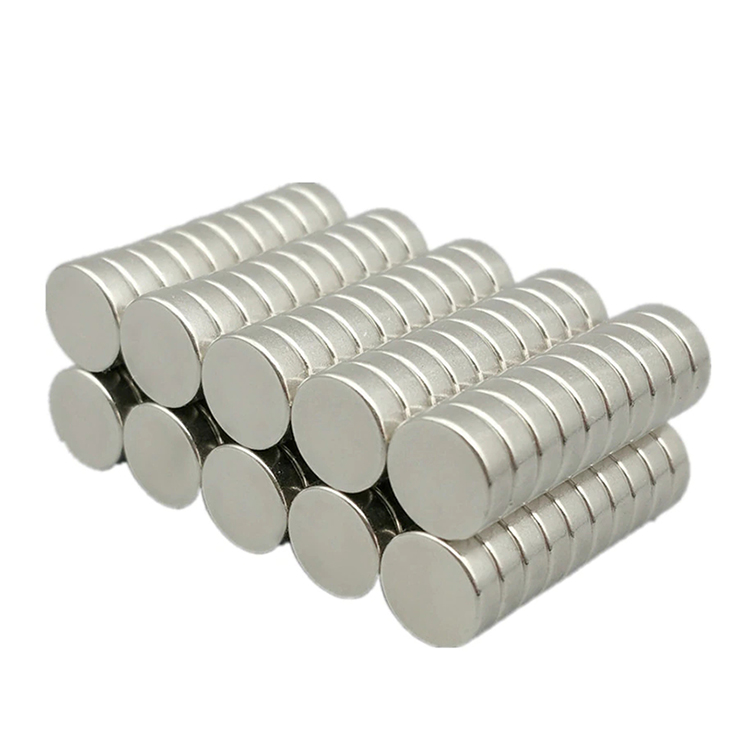
Ceramic block magnets are available in various dimensions and shapes, including rectangular, square, and cylindrical forms. They can also be customized to meet specific size and shape requirements for different applications. Surface finishes and coatings such as nickel plating or epoxy resin can be applied to enhance corrosion resistance and durability. Additionally, ceramic block magnets exhibit excellent mechanical strength and are resistant to impact damage, making them suitable for rugged environments.
Temperaturstabilität
One of the distinguishing features of ceramic block magnets is their excellent temperature stability. The Curie temperature, which is the temperature at which the magnet loses its magnetic properties, is relatively high for ceramic magnets, typically ranging from 250°C to 450°C depending on the specific composition. This thermal stability makes ceramic block magnets suitable for applications where exposure to elevated temperatures is common, such as automotive systems, electrical motors, and industrial machinery.
Anwendungen
Ceramic block magnets find widespread use across various industries and applications due to their versatility and cost-effectiveness. They are commonly employed in magnetic separators, magnetic assemblies, holding and lifting systems, sensors, speakers, and refrigerator door seals, among others. Their magnetic properties, combined with their durability and affordability, make them a preferred choice for many engineering and manufacturing applications.
Anpassungsoptionen
Ceramic block magnets offer ample opportunities for customization to meet specific application requirements. Manufacturers can tailor the magnet’s size, shape, and magnetic properties to suit the intended application. Custom shapes and sizes can be achieved through machining or molding processes, while adjustments to magnetic properties can be made by altering the composition or processing parameters during manufacturing. Understanding these customization options allows for the optimization of ceramic block magnets for various applications.
Schlussfolgerung
Zusammengefasst, ceramic block (ferrite) rectangular magnets are a versatile and reliable solution for numerous industrial and commercial applications. Their unique combination of magnetic properties, physical durability, temperature stability, and customization options make them well-suited for a wide range of engineering and manufacturing tasks. By understanding the characteristics and properties of ceramic block magnets, engineers and designers can make informed decisions to maximize their performance and efficiency in diverse applications.
As industries continue to evolve and innovate, ceramic block magnets are poised to remain an essential component in the landscape of permanent magnet technology, driving advancements in various fields and contributing to the development of cutting-edge technologies.