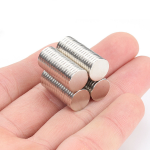
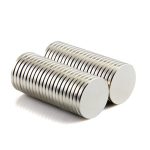
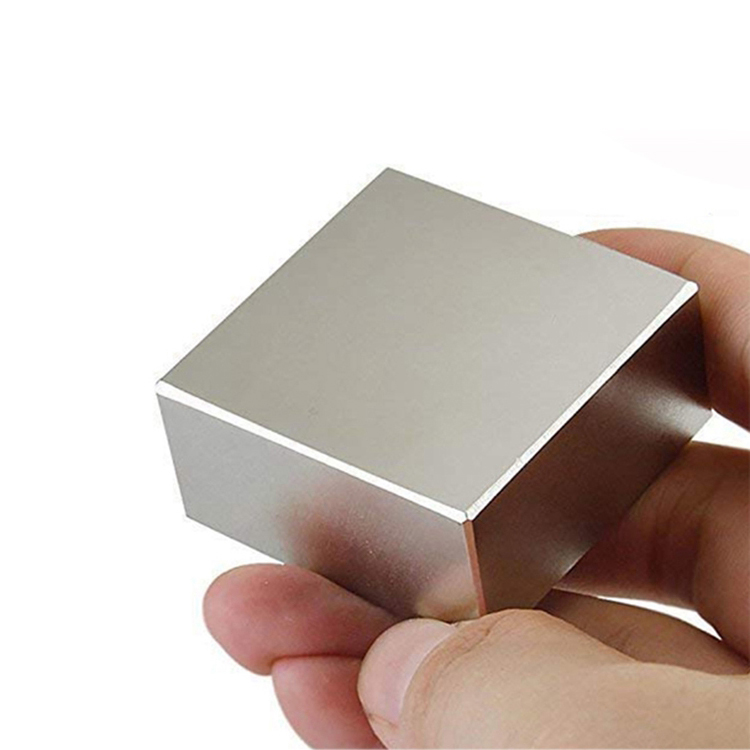
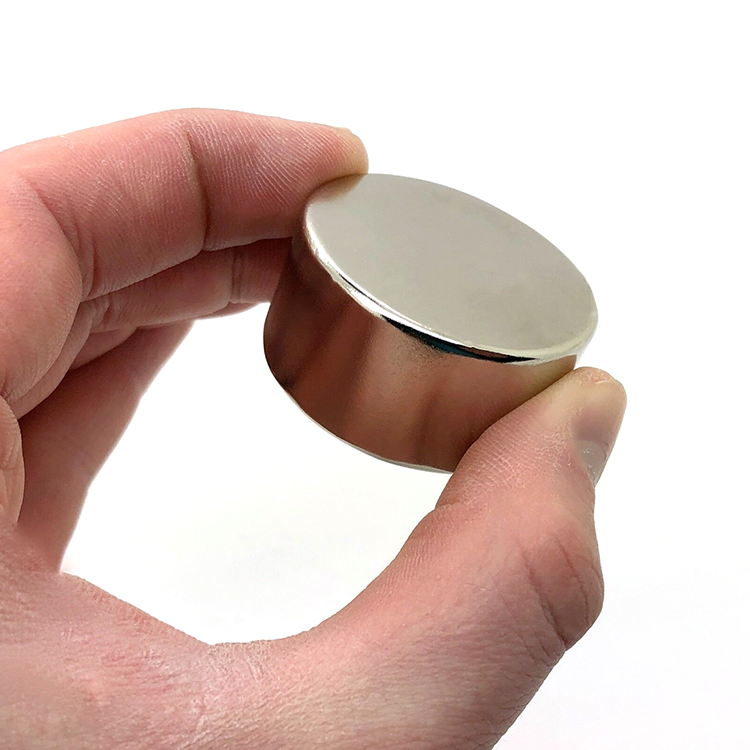
Numerous designers choose the powerful N52 magnets. M52 magnets are arguably the greatest option in tiny magnets due to their strong flux or holding power.
Up until recently, the strongest commercially available neodymium magnet was N52. Until the new N55 grade with equivalent higher magnetic values was released on the market. While the N55 grade has yet to gain popularity over the coming years, a lot of magnetic applications employ N52 magnets, neodymium magnet for sale which are used in huge quantities.
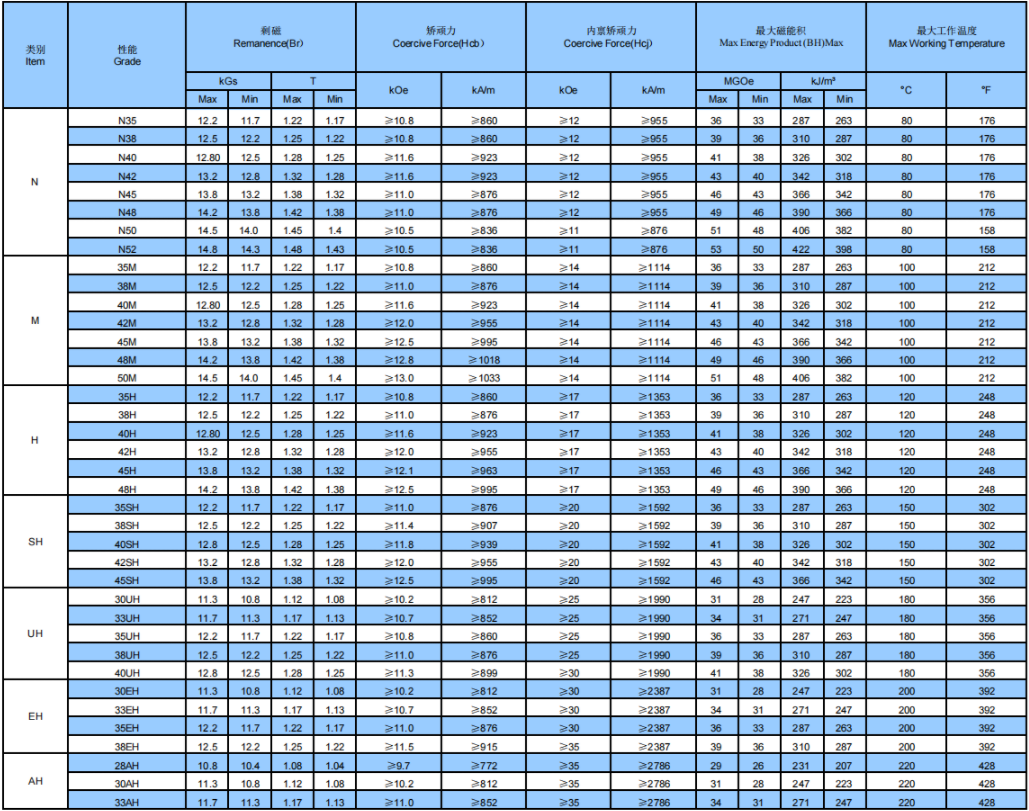
N52 magnets are still a fantastic option for powerful magnets. Very practical and trustworthy neodymium magnet grade with consistent magnetic properties. As a result, we utilize it and suggest it to our clients. It often has a maximum energy (Bh max) of over 400 KJ/m3, or 50–53 MGOe.
Special N52 grades are N52.
For Magma clients, these strong neodymium magnet discs are also available in grades N52M (with a working temperature up to 100 degrees) and N52H (with a working temperature up to 120 degrees). You may also purchase dysprosium-free N52DF grade; for more details, please see our page on free and low dysprosium neodymium.
Neodymium magnets at high temperatures
High temperature neodymium magnet uses come in the new grades N30AH, N33AH, N35AH, and N38AH of neodymium. While the EH series has a working temperature of 200°, the AH series of neodymium offers an intriguing new option with a working temperature up to 240°. These relatively new grades are offered to Magma clients. The N38AH grade was very recently created for usage in commerce.
The use of these new grades in magnetic applications at greater temperatures than before is possible. Therefore, this is an intriguing choice for building novel applications with operating temperatures up to 240 °C. 25mm neodymium magnet disc with high temperatures might potentially be used in place of samarium cobalt magnets, which are more costly. Neodymium in the AH series might take the role of the Samarium Cobalt 5 series magnets, which can operate at temperatures up to 250 °C.
Neodymium magnet grade n52 for high temperatures are a topic that our specialists would be pleased to discuss with you in greater detail. We must take into account the various magnetic properties of these magnets, particularly their behavior at various temperatures, while designing a redesign of the magnetic applications to move from samarium cobalt to neodymium for high temperatures. Your business will receive glad assistance from our staff in this situation.
Neodymium magnets built to order
Neodymium magnets produced specifically for your business needs. We provide neodymium magnets in every grade, as well as special forms, sizes, and coatings.
Neodymium magnets are produced in bulk to your company’s specifications.
high quality.
Performance and affordability are optimized for your business’s requirements.
design support.
No cost samples.
ROHS and REACH compliance.
neodymium magnets with a custom form
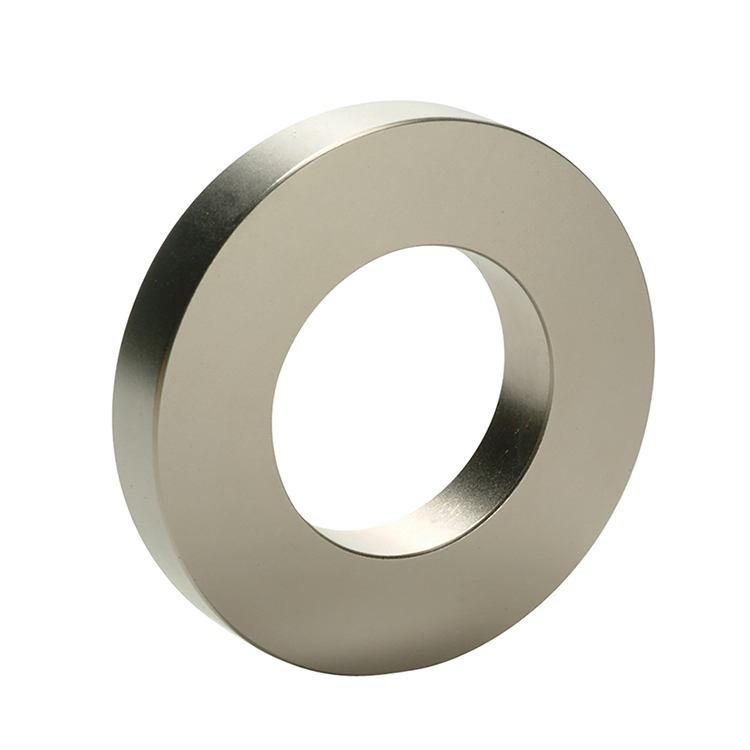
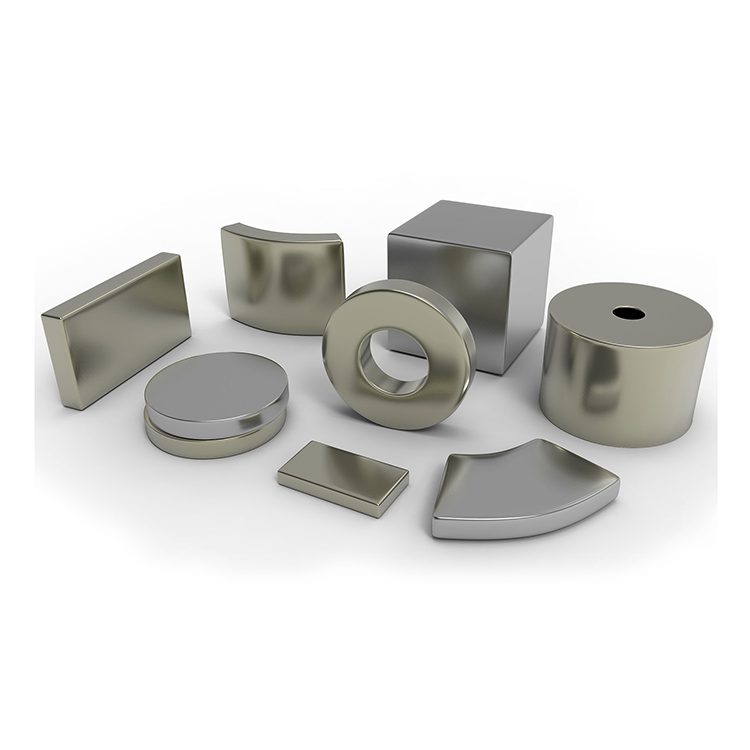
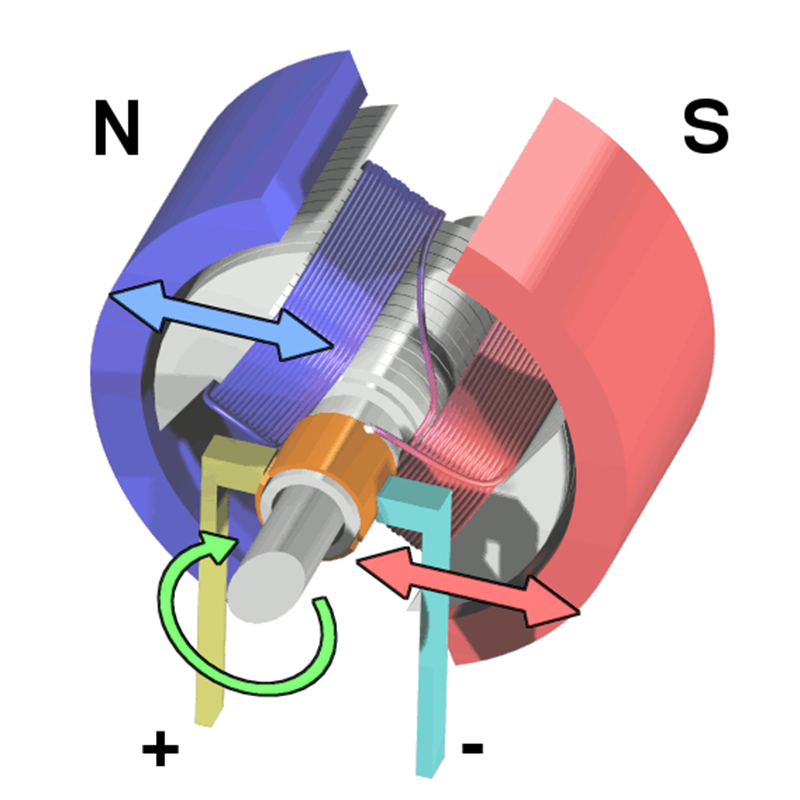
Neodymium magnets often come in the following shapes: blocks, arc segments (used mostly in DC motors), discs, cylinders, and rings. Wire cutting, drilling, or machining are used to create more complex and asymmetrical designs. The sintering and bulk production of neodymium magnets has its own restrictions. Because of this, not all forms can be produced using our standard methods. Please use the contact form to inquire about any special offers from our staff.
samples on demand
the initial stage of production. We advise testing prototypes or samples of your new bespoke neodymium magnet to ensure that it has the desired magnetic qualities. Naturally, it is a crucial step to ensure that the appropriate magnet will be utilized in your application and that the appropriate optimization was achieved by the technical teams of both organizations.
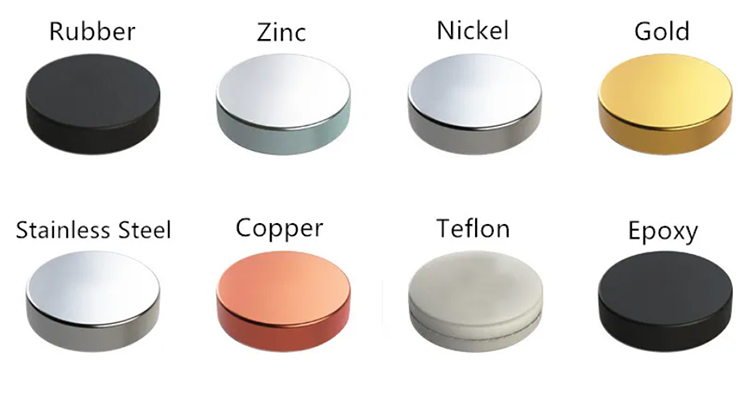
higher resistance to corrosion Neodymium magnets are just neodymium magnets with increased corrosion resistance. Even in a typical environment (room temperature and low humidity), NdFeB magnets are exceedingly corrosive. In order to prevent corrosion, these magnets are created in vacuum and covered in a variety of coatings.
higher resistance to corrosion Neodymium magnets are made using a unique procedure. Increasing their corrosion resistance as a result. For instance, experiments using salt spray revealed considerably superior performance for these magnets. These magnets’ magnetic properties are pretty comparable to those of standard NdFeB magnets. Although it is advised, coating is not required. Regular neo magnets that have a coating are prone to corrosion. It’s likely that minor hits or improper installation will harm the coating. The magnets begin to lose part of their magnetic capabilities when the coating is harmed and corrosion begins. That is an excellent argument to employ neodymium magnets with strong corrosion resistance in several magnetic applications. These kinds of magnets gained a lot of traction in high-end applications because of their greater corrosion resistance.
coating for neodymium magnets
The neodymium magnets are shielded by neodymium magnet coating. neodymium magnet silver that has been sintered is very prone to corrosion and oxidation. As a result, using various coatings is crucial for protection. These lengthen the magnet’s lifespan and guarantee a premium product.
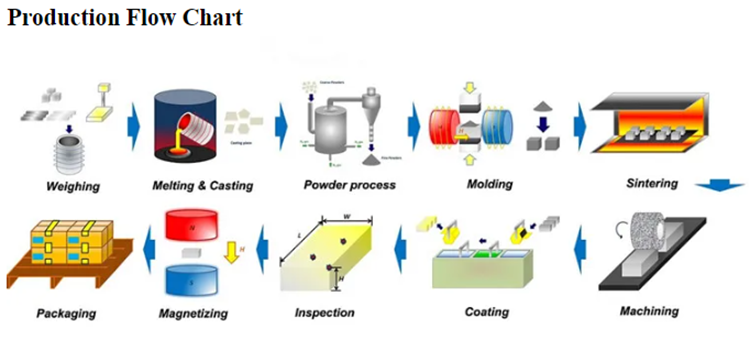
Machining is followed by plating. Because of environmental restrictions, it is done in a different factory. Then, for inspections, the plated neomagnets are returned to the factory.
In recent years, unique passivated alloys like HAST have been created, which stop the oxidation process without requiring the magnet to have a thicker, more conventional coating. This alloy is designated NCNd in Magma.
Temperature has an impact on all types of magnets’ magnetic characteristics. Basically, magnetic field weakens as temperature rises.
As a general rule, the maximum operating temperature is a good place to start when designing a new magnetic application that must withstand some heat while it is in use, but occasionally it is necessary that the magnet will have quite similar magnetic field and properties in a quite larger range of temperature or, in other words, will have less impact as the temperature is rising (low temperature coefficient).
Higher temperature NdFeB magnets also have a reduced temperature coefficient, which is generally up to 50% better than neodymium magnets of standard grade. The magnets’ characteristics under higher temperatures are also influenced by how we utilize them and by their design.
Magma professionals can assist you in making the best decision and go deeper into any unique requirements you may have regarding a certain magnet or magnetic application.
Due to a lack of available materials, free and low dysprosium neo magnets were produced. A highly rare and expensive rare earth element is dysprosium (Dy). Neodymium magnets are produced with dysprosium added to improve their performance in hot environments. Additionally, dysprosium greatly increases the demagnetization resistance of neo magnets. Neodymium magnets for higher temperatures hence have a greater dysprosium content.
Demand for dysprosium had outpaced availability (not just for magnets). As a result, free and reduced dysprosium grades of neodymium magnets were created to address this issue.
The same procedure is used to create “normal” neodymium magnets as it used to create free and low dysprosium neomagnets. Dysprosium is used less, if at all, while melting other metals. The manufacturing process uses a variety of process factors, of course. Neodymium magnets with free and low dysprosium exhibit different behavior over a variety of temperatures than the same grade of magnets with typical dysprosium concentration. Additionally, those magnets’ BH curves will differ.
Low & Free Dysprosium Neo magnets are a well-liked option in several sectors, particularly the automobile sector, where a long-term supply is crucial and avoiding a dysprosium scarcity looks like a smart idea.