Ferritmagnete eignen sich gut für Anwendungen, die nicht viel kosten.
Außerdem sind Ferritmagnete elektrisch isolierend und verhindern, dass in ihrem Inneren Wirbelströme fließen.
Ferritmagnete funktionieren gut bei höheren Temperaturen, sind aber für den Einsatz in extrem kalten Umgebungen weniger geeignet.
Ceramic, Feroba, and Hard Ferrite Magnets are other names for Ferrite Magnets. They are among the materials for permanent magnets that are most often used globally. Ferrite magnets are an inexpensive magnet material that is ideal for larger manufacturing runs. Because of their superior electrical insulating capabilities, they are known as ceramics.
Eigenschaften und Merkmale von Ferritmagneten
Ferrite magnets are excellent in moist, marine, or damp conditions since they don’t corrode. Iron cannot further oxidize (“rust”) in water because it is already in a stable oxidized state inside its structure. The two types of ceramic Ferrite magnets are strontium (SrO.6Fe2O3) magnets and barium (BaO.6Fe2O3) magnets. Due to their superior magnetic qualities, Strontium Ferrite magnets are the most often produced.
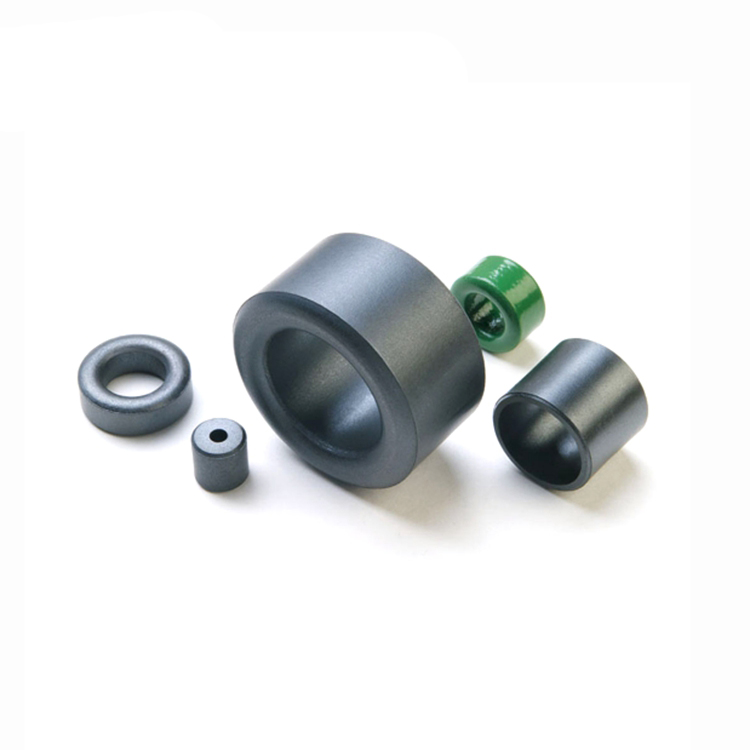
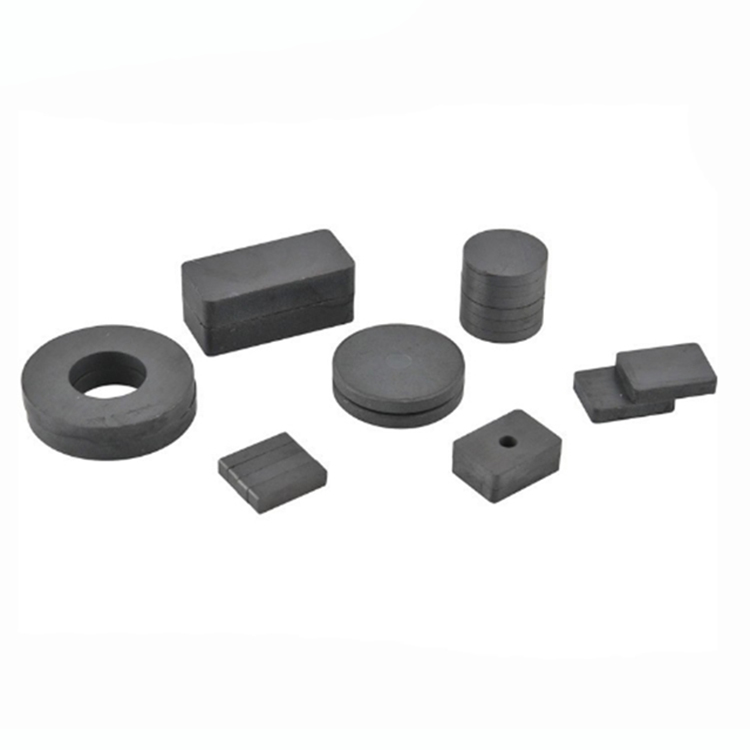
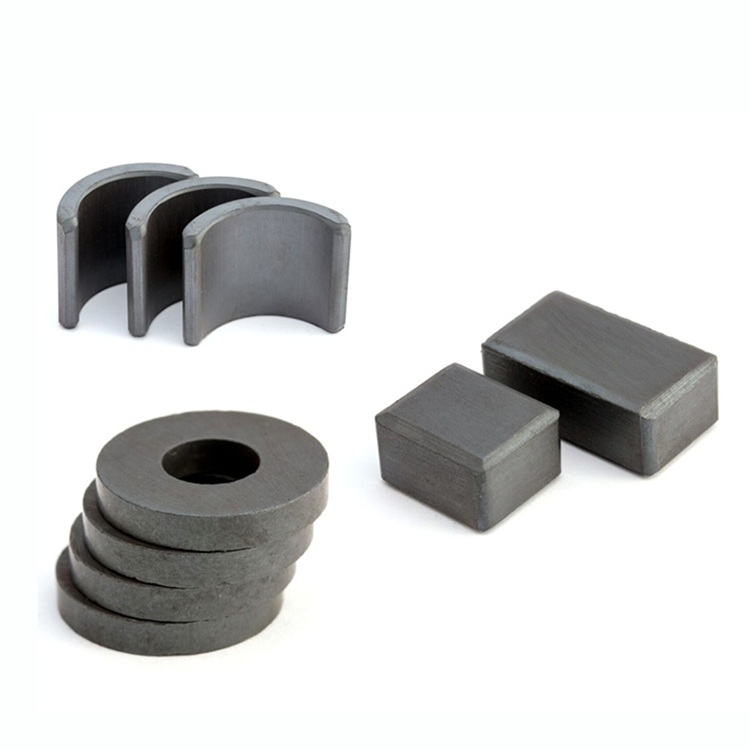
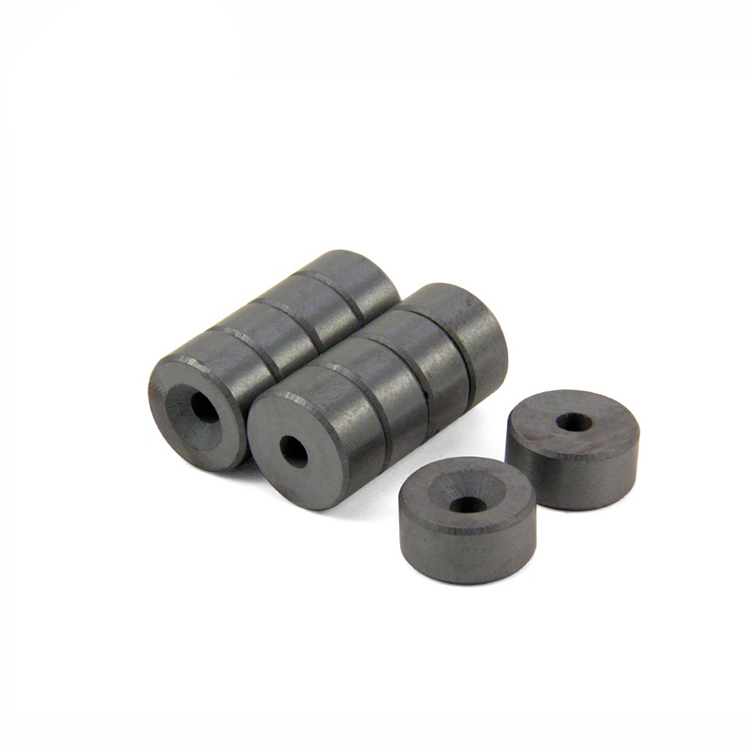
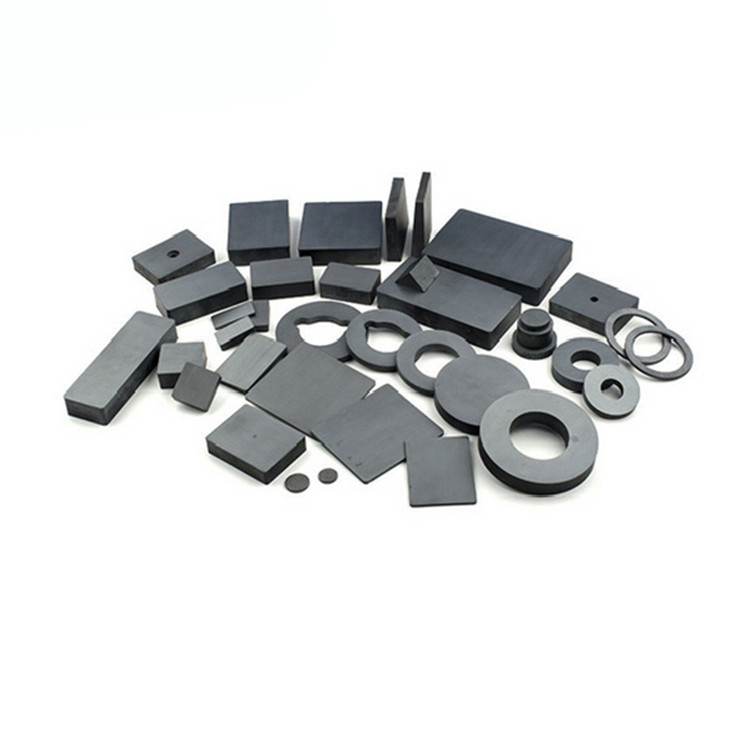
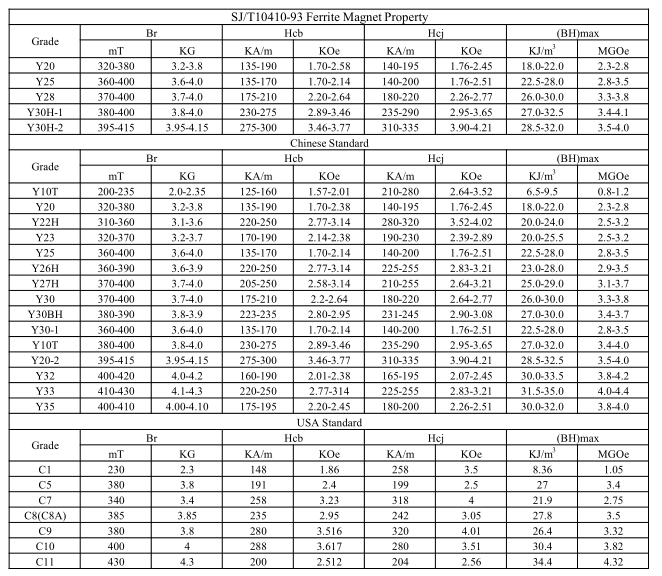
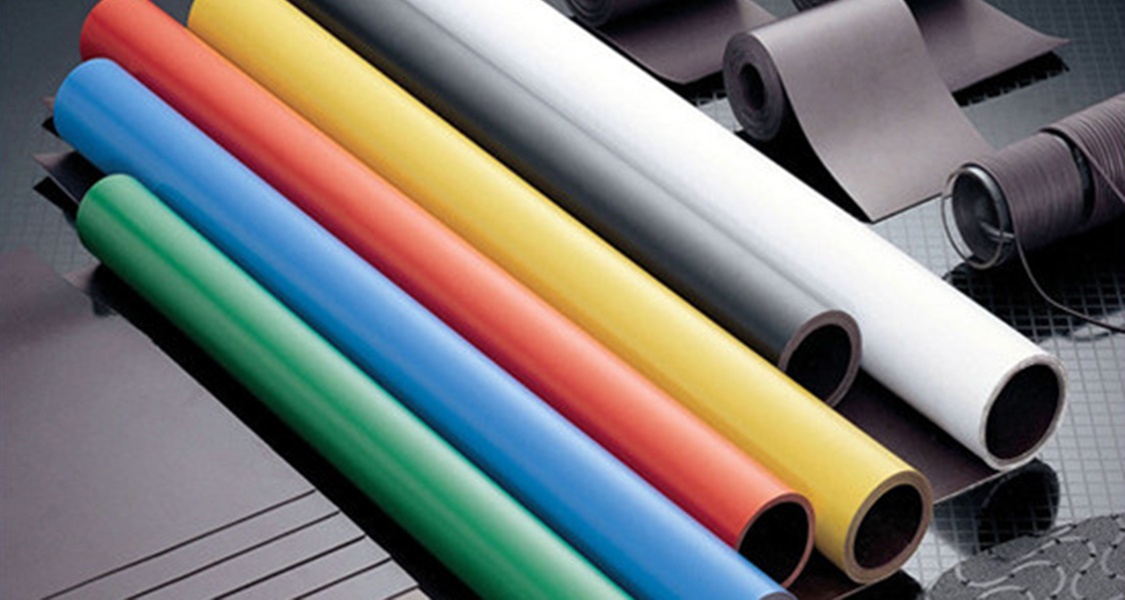
The Ferrite magnets (also known as Ceramic magnets) have a distinctive “pencil lead” color, which is a dark grey. Their magnetic performance is ferrimagnetic (excellent magnetic field and power, but not as strong as NdFeB or SmCo, size for size). They are quite well-liked in designs for motors, generators, loudspeakers, and boats,but are present in practically all sectors of the economy, including the automotive, sensor, machine, aerospace, military, advertising, electrical/electronic, academic, design house, and research and development sectors. Ferrite magnets may operate at temperatures as high as +250 °C (and in some circumstances, even +300 °C). Currently, 27 different grades of ferrite magnets are available. Currently, C5 (also known as Feroba2, Fer2, Y30, and HF26/18) and C8 (also known as Feroba3, Fer3, and Y30H-1) are the two most common grades. For applications like overband magnets, C 5 / Y30 is a common choice of ferrite magnet. For applications like loudspeakers and occasionally motors, C8 / Y30H-1 is a preferable option (C8 has a comparable Br to C5 but has a greater Hc and Hci).Ferrite magnets may be made in a variety of forms and dimensions. The electrically insulating Ferrite material does not permit wire spark erosion, hence machining to size is only possible through grinding procedures. As a result, blocks, discs, rings, arcs, and rods are the primary forms.
Benefits and Drawbacks of Ferrite (Ceramic) Magnets
Avoid corroding in water.
can be utilized up to +250 degrees C (482 degrees F), and under some conditions, even up to +300 degrees C (572 degrees F).
High coercivity (Hci) that rises as the temperature of the magnet.
insulating from electricity.
Cost-saving projects will benefit from the relatively cheap cost.
Disadvantages
Not as powerful as neodymium rare earth magnets, often providing about 1/7th the draw force of neodymium rare earth magnets of comparable size.
Tooling fees may apply to specialized shapes.
The Intrinsic Coercivity (Hci) drops to a point where the magnet runs the danger of beginning to demagnetize when exposed to temperatures of -20 degrees Celsius (-4 degrees Fahrenheit) or lower (depending on the form and application).
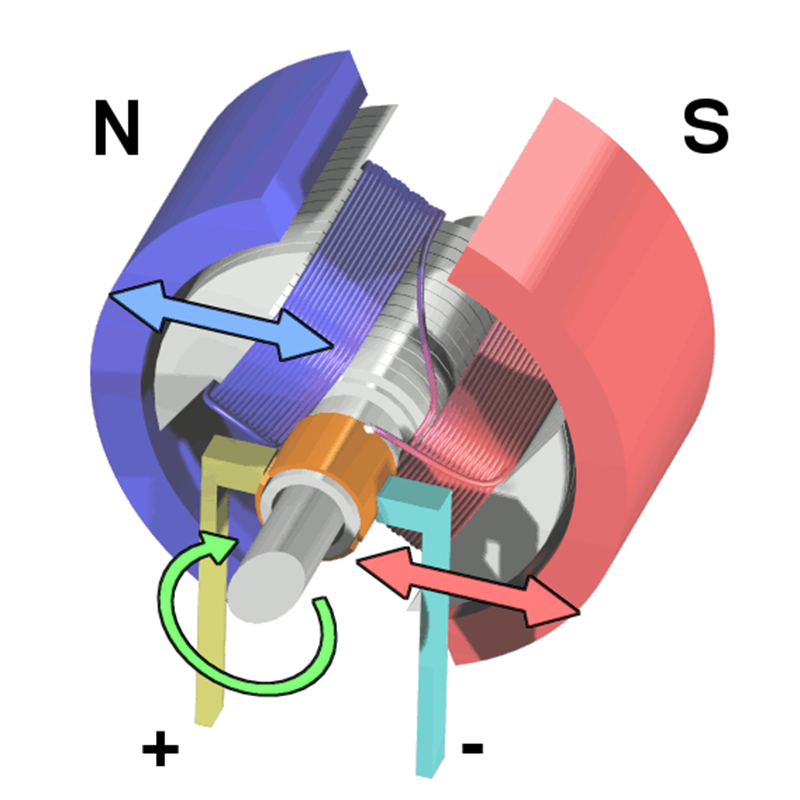
Typical Ferrite (Ceramic) Magnet Applications Motors, Generators, Meters, and Marine Applications
applications for high temperatures.
Cheaper pot magnets and clamping mechanisms
Magnets for loudspeakers overband
Example: NdFeB Neodymium magnets were being used by a corporation to clamp onto hot mild steel surfaces, but they were having trouble performing and were expensive. We delivered ferrite pot magnets, which not only had a strong enough direct pull but could also withstand high temperatures, were shielded from harm by the pot magnet shape, and were also less expensive and simpler to maintain than other options.
A Magnetized Ferrite is what?
How do ferrite magnets work? One particular type of magnet that is thought of as a ceramic substance is ferrite magnets. There are several varieties of ferrite magnets in use today, each made with a unique combination of mixed metals and iron oxide.
Wie funktionieren Ferritmagnete?
Ceramic magnets, also known as ferrite magnets, are a particularly unique kind of magnet. There is a wealth of fascinating information to be learned about them due to their extraordinary strength and endurance as well as the several classes that fall under this category.
You may get a rough sense of what a ferrite magnet is, as well as some information about its composition, from the list that follows.
Ferrite magnets are created by combining iron oxide with additional chemical components.
Verschiedene Typen von Ferritmagneten
nicht anfällig für Entmagnetisierung
verlässlich und robust
Neodym-Magnete sind weniger stark
unmöglich zu ändern
Magnets made of ferrite and ceramic have very powerful magnetic fields. Because of its chemical composition, ferrite magnets can create an attraction on their own, unlike certain other types of magnets, such as electromagnets, which need an electric current to do so.
Iron oxide is the primary component across the whole group of materials that make up ferrite magnets, even if other chemical components are also present. Both kind of ferrite magnets include distinctive constituents, with iron oxide making up roughly 90% of the total composition in both cases.
Ferrite magnets are extremely powerful and long-lasting, however they are less powerful than the typical neodymium magnet, which is somewhat less powerful.
If you ever find yourself in a situation where you need to modify the form of a ferrite magnet, you should either seek expert advice or buy a bespoke ferrite magnet.
This is because ferrite magnets for sale are made of highly hard, brittle materials that are more likely to crumble and shatter if the surface is altered or sliced into. Although it is conceivable to execute this effectively, neither it is likely nor advised.
To learn more about the two distinct types of ferrite magnets that were stated in the introduction to these magnets, continue reading the next section.
Ferritmagnete, auch bekannt als Keramikmagnete, sind Dauermagnete, die hauptsächlich aus Eisenoxid und Strontiumkarbonat hergestellt werden. Sie sind keine Seltenerdmagnete.
Ferrite magnets may be created into a variety of forms and sizes but are fragile and can only be produced by die pressing followed by sintering. Its typical operating range is -40 to 250 degrees Celsius. A permanent magnet made of ceramic is most frequently employed since it is inexpensive, simple to make, and has great corrosion and demagnetization resistance. It can either be manufactured isotropically or anisotropically. The magnets C3, C5, and C8 are anisotropic. We advise sintered NdFeB magnets like N52 if you require the strongest magnetic materials.
Messung und magnetische Eigenschaften
Magnetart: permanent
Der Stoff ist gesintertes Ferrit.
(Download Magnetic) Grade: Y30, Y30BH, Y33, etc.
Richtung der Magnetisierung
Form, Größe und Toleranzen: Kann komplizierte und ungewöhnliche Formen nach Kundenwunsch herstellen.
Anwendungen finden sich in der Industrie, bei Motoren, Lautsprechern, Klimaanlagen, im Handwerk, im täglichen Leben und bei Kühen.
Eigenschaften
Sintered The process of powder metallurgy is used to create ferrite magnets. They have characteristics that make them particularly ideal for use as the magnetic circuit structure of dynamic working circumstances, including low remanence, small magnetic permeability, greater coercive force, and strong resistance to demagnetization. The hard and brittle ferrite material may be cut with silicon carbide tools. Although weakly magnetic, isotropic ferrite permanent magnets may be magnetized in several directions. Sintered ferrite magnets that are anisotropic have great magnetic performance, but they can only be magnetized in the indicated direction.