



مقدمة
In the intricate world of electronics, the role of ferrite cores stands as a crucial element, playing a pivotal role in numerous applications. Ferrite cores, composed of ceramic materials with iron oxide, exhibit magnetic properties that make them indispensable in various electronic circuits and devices. This article aims to delve into the multifaceted nature of ferrite cores, exploring their applications, advantages, and the pivotal role they play in modern electronics.

Understanding Ferrite Cores
- Definition and Composition of Ferrite Cores
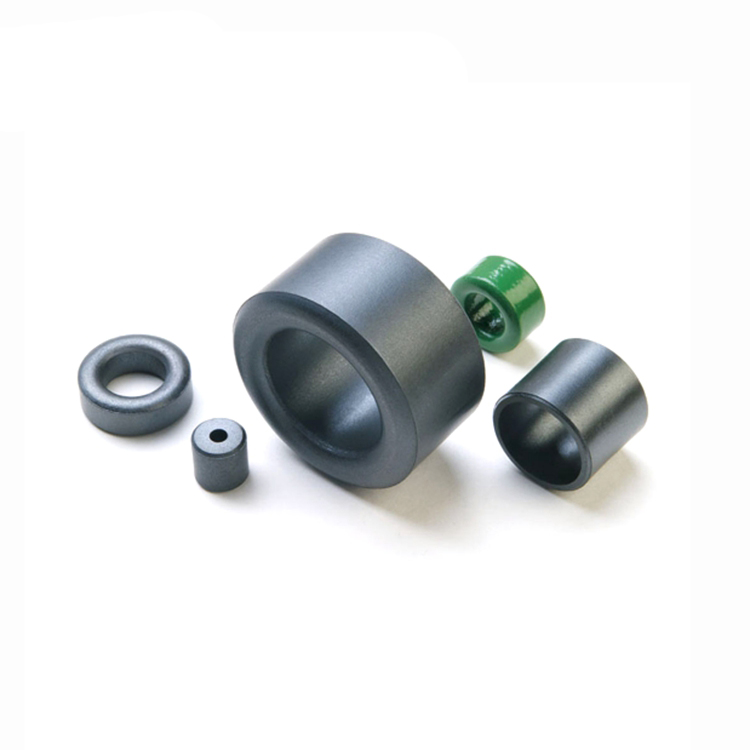
Ferrite cores are essential components in electronics due to their unique composition and magnetic properties. Composed primarily of iron oxide (Fe2O3) combined with other metal oxides, ferrite cores are crafted into a ceramic structure through sintering, a process that involves heating the materials to high temperatures without melting them.
The resulting ceramic material possesses exceptional magnetic properties, making ferrite cores highly efficient for use in various electronic applications. The specific composition and manufacturing processes can lead to different types of ferrite cores, each with its own set of magnetic characteristics suited for particular purposes.
- Magnetic Characteristics of Ferrite Cores
Magnetic Permeability: Ferrite cores exhibit high magnetic permeability, which determines their ability to allow magnetic fields to pass through them. This property makes them excellent for concentrating magnetic flux and enhances their effectiveness in applications like transformers and inductors.
Saturation: Ferrite cores also have a saturation point, a level at which they reach maximum magnetization and can no longer increase their magnetic flux. Understanding this property is crucial for ensuring optimal performance in electronic devices.
Curie Temperature: Ferrite materials have a Curie temperature, above which their magnetic properties diminish. This temperature limit must be considered when designing devices that may operate at elevated temperatures.
- Role of Ferrite Cores in Electronic Circuits
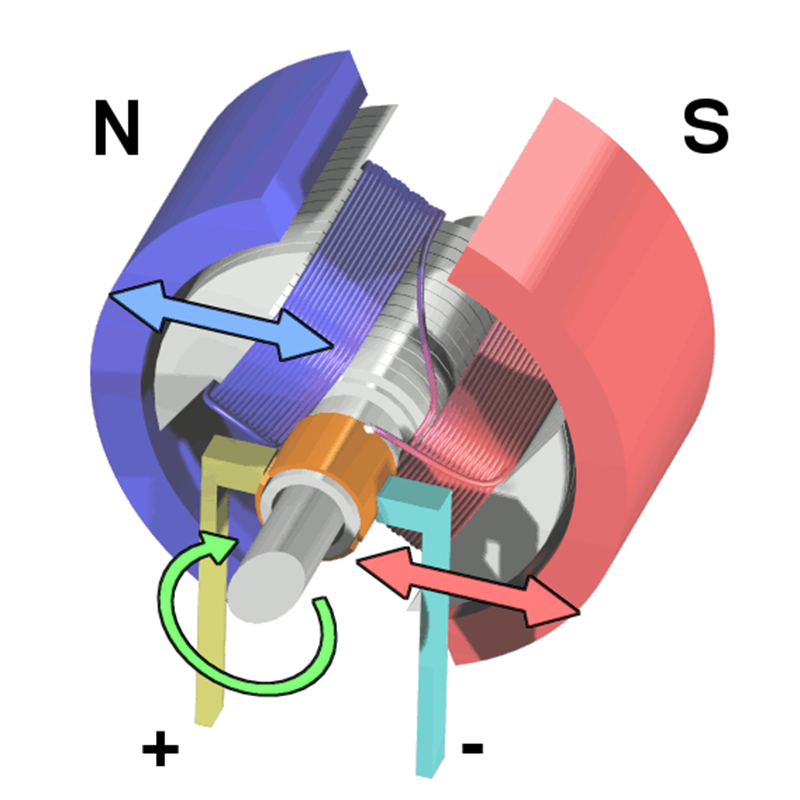
Ferrite cores are primarily used to manipulate magnetic fields within electronic circuits. When wound with conductive wire, they form the basis for inductors and transformers. In inductors, ferrite cores aid in storing energy in a magnetic field, while in transformers, they facilitate the transfer of electrical energy from one circuit to another through magnetic coupling.
Their ability to control and concentrate magnetic flux makes ferrite cores crucial for various applications involving power supplies, RF circuits, data communication, and more. They contribute significantly to the efficiency and functionality of these electronic systems.
- Ferrite Core Varieties and Their Applications
Different types of ferrite cores cater to specific needs within electronic devices. For instance:
Soft Ferrites: These are used in high-frequency applications, such as RF circuits and microwave devices, due to their low magnetic losses at elevated frequencies.
Hard Ferrites: Primarily employed in applications requiring permanent magnets, hard ferrites are widely used in magnetic recording, speakers, and small motors.
Applications of Ferrite Cores
- Role in Transformers and Inductors
Ferrite cores serve as the central component in transformers and inductors. Their ability to concentrate magnetic fields allows for efficient energy transfer and manipulation within these devices. They enable the transformation of voltage levels and play a critical role in power supply units across various electronic devices.
- Electromagnetic Interference (EMI) Suppression
One of the primary applications of ferrite cores is in EMI suppression. They act as effective noise suppressors, reducing unwanted electromagnetic interference within electronic circuits. Their ability to absorb and dissipate high-frequency noise makes them invaluable in maintaining signal integrity.
- High-Frequency Signal Handling
Ferrite cores excel in handling high-frequency signals, especially in radio frequency (RF) and microwave applications. Their magnetic properties allow them to manage and direct these signals efficiently, making them a fundamental component in RF devices and communication systems.
- Industry-Specific Applications
Ferrite cores find extensive use in various industries such as telecommunications, power electronics, computer peripherals, automotive electronics, and more. They serve diverse functions across these sectors, contributing to improved performance and reliability in electronic systems.
Advantages and Benefits
- Efficiency and Reliability
Ferrite cores offer high efficiency in energy transfer and magnetic field manipulation. Their reliability in maintaining magnetic properties over a wide range of temperatures and frequencies contributes to their widespread use in electronics.
- High-Frequency Handling Capability
Their ability to handle high-frequency signals with minimal losses makes them particularly suitable for applications involving RF and microwave frequencies.
- Cost-Effectiveness and Versatility
Ferrite cores are relatively cost-effective compared to some other magnetic materials, making them a preferred choice in many electronic applications. Moreover, their versatility across different frequencies and operating conditions adds to their appeal.
Factors Influencing Ferrite Core Selection
- Frequency Range and Operating Conditions
Choosing the right ferrite core involves considering the frequency range at which the device will operate and the environmental conditions it will encounter.
- Material Composition and Magnetic Properties
Different ferrite materials possess varying magnetic properties. Selection depends on factors such as permeability, saturation, and frequency characteristics.
- Size, Shape, and Impedance Characteristics
The physical attributes of ferrite cores, including size, shape, and impedance characteristics, play a crucial role in their suitability for a particular application.
الخاتمة
Ferrite cores, with their magnetic prowess and versatile applications, remain an integral part of modern electronics. Their utilization in transformers, inductors, EMI suppression, and handling high-frequency signals underscores their importance in ensuring efficient and reliable electronic systems across various industries.
Understanding the composition, properties, applications, advantages, and factors influencing the selection of ferrite cores provides a comprehensive view of their significance in the realm of electronics, paving the way for innovative advancements in technology.