


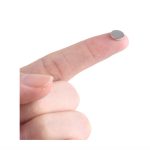
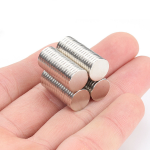
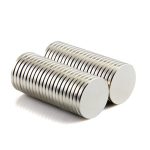
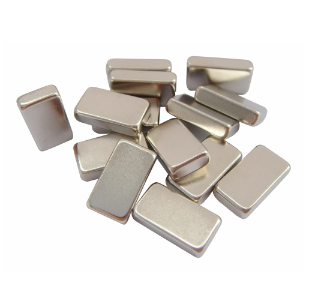
Neodymium magnets, particularly those graded as N38, are among the strongest permanent magnets available today. These magnets have a wide range of applications, from industrial machinery to DIY projects. However, their powerful magnetic fields can pose significant safety risks if not handled properly. This article will delve into the essential safety precautions to consider when using powerful N38 magnets in both DIY projects and industrial settings, ensuring that you can enjoy their benefits without compromising safety.

مقدمة
Neodymium magnets, also known as rare earth magnets, are prized for their exceptional magnetic strength and durability. Among these, the N38 grade is commonly used due to its optimal balance of performance and cost. These magnets are integral in various applications, including electronics, automotive industries, medical devices, and even simple home projects. Despite their usefulness, the strength of N38 magnets can lead to serious safety concerns if not handled correctly. This guide aims to provide a comprehensive overview of the necessary safety precautions to mitigate these risks.
Understanding the Risks
- Physical Injuries
One of the most immediate dangers of handling powerful N38 magnets is the risk of physical injury. These magnets can cause severe pinching or crushing injuries if body parts get caught between them or between a magnet and a metal surface. These injuries can range from minor skin pinches to serious fractures and even amputation in extreme cases. For example, if two large N38 magnets snap together with your finger in between, the force can easily break bones.
- Health Hazards
Extended exposure to strong magnetic fields can pose health risks, especially for individuals with certain medical conditions. People with pacemakers or other implanted medical devices must avoid close contact with strong magnets, as they can interfere with the functioning of these devices. Additionally, although short-term exposure to magnetic fields is generally considered safe, prolonged exposure could have potential health implications that are not yet fully understood.
- Property Damage
N38 magnets can damage electronic devices by disrupting their magnetic storage media. This includes hard drives, credit cards, magnetic ID cards, and more. Additionally, strong magnets can attract ferromagnetic objects with significant force, which can lead to property damage. For instance, a magnet snapping onto a metal surface can cause dents, scratches, or other damage.
Personal Protective Equipment (PPE)
To mitigate the risks associated with handling Powerful N38 Magnets, the appropriate use of personal protective equipment (PPE) is essential.
- Gloves
Wearing thick, cut-resistant gloves can protect your hands from pinching and crushing injuries. Ensure the gloves fit well and provide adequate dexterity for safe handling. Look for gloves specifically designed for handling sharp or heavy objects, as these will offer the best protection.
- Eye Protection
Safety goggles or face shields can prevent eye injuries from flying debris or accidental impacts. Even small metal fragments can be attracted to strong magnets and pose a significant risk to your eyes. It’s crucial to protect your eyes, especially when working in environments where small particles are present.
- Protective Clothing
Wearing long sleeves and protective aprons can add an extra layer of protection, especially when handling large magnets or working in environments where loose clothing could get caught between magnets. Protective clothing can prevent skin injuries and reduce the severity of any accidents that do occur.
Safe Handling Procedures
Proper handling techniques are crucial in preventing accidents and injuries when working with Powerful N38 Magnets.
- Proper Lifting Techniques
Always use both hands when handling large or powerful magnets to maintain control. Lift magnets slowly and steadily to avoid sudden movements that could cause them to snap together forcefully. Use appropriate lifting tools or equipment when necessary to ensure safe handling.
- Keeping Magnets Away from Each Other
Store and handle magnets individually to prevent them from snapping together unexpectedly. Use spacers or non-magnetic barriers to separate multiple magnets. This is particularly important when dealing with large quantities of magnets, as the combined force can be dangerous.
- Avoiding Rapid Movements and Impacts
Sudden movements or impacts can cause magnets to collide with significant force, leading to injuries or damage. Handle magnets with care and move them slowly and deliberately. Avoid dropping magnets or allowing them to hit hard surfaces.
- Using Tools for Separation and Positioning
For large or powerful magnets, use non-magnetic tools, such as plastic wedges or wooden sticks, to separate and position them safely. Avoid using metal tools that could be attracted to the magnets and cause accidents. Specialized tools designed for handling magnets can provide additional safety.
Storage and Transportation
Proper storage and transportation of Powerful N38 Magnets are vital to ensure safety and prevent accidents.
- Safe Storage Environments
Dry and Cool Places
Store magnets in a dry, cool place to prevent corrosion and maintain their magnetic strength. High humidity and temperatures can degrade the magnets over time. Ensure that the storage area is well-ventilated and free from moisture.
Containers and Separators
Use non-magnetic containers and separators to store magnets safely. Plastic or wooden boxes with individual compartments can prevent magnets from snapping together. Ensure that containers are sturdy and properly labeled.
- Securing Magnets During Transportation
When transporting magnets, secure them in a sturdy container with ample padding to prevent movement. Use spacers to keep magnets apart and avoid sudden movements that could cause them to attract each other. Ensure that containers are clearly marked with warning labels indicating the presence of strong magnets.
- Labeling and Warning Signs
Clearly label storage and transportation containers with warning signs to indicate the presence of strong magnets. This will alert handlers to the potential hazards and encourage careful handling. Use standardized symbols and clear language to ensure that the warnings are easily understood.
Environmental Precautions
Consider the environmental factors that can influence the safety and effectiveness of Powerful N38 Magnets.
- Keeping Magnets Away from Electronic Devices
Strong magnets can interfere with electronic devices, causing malfunctions or data loss. Keep magnets away from computers, smartphones, credit cards, and other sensitive electronics. Maintain a safe distance from electronic devices to prevent accidental damage.
- Safe Distances from Sensitive Equipment
Maintain a safe distance between magnets and sensitive equipment such as medical devices, laboratory instruments, and navigational tools. This will prevent interference and potential damage. Follow manufacturer guidelines for safe distances and storage.
- Avoiding Exposure to High Temperatures
High temperatures can cause neodymium magnets to lose their magnetic properties. Avoid exposing magnets to temperatures above their maximum operating limit, typically around 80°C (176°F). Store magnets in a temperature-controlled environment to ensure their longevity.
Specific Considerations for Industrial Settings
In industrial settings, where powerful magnets are often used, specific safety protocols and measures are necessary.
- Safety Protocols and Training for Workers
Implement comprehensive safety protocols and provide training for workers on the proper handling and use of Powerful N38 Magnets. Ensure that all employees understand the risks and safety measures. Regular training sessions and refresher courses can help maintain a high level of safety awareness.
- Proper Signage and Hazard Communication
Use clear signage to indicate areas where powerful magnets are in use. Communicate potential hazards to all personnel, including those who may not work directly with the magnets. Ensure that signage is visible and easily understood.
- Regular Safety Audits and Equipment Checks
Conduct regular safety audits and equipment checks to ensure that magnets and related equipment are in good condition. Identify and address any safety concerns promptly. Implement a maintenance schedule to keep all equipment in safe working order.
Specific Considerations for DIY Projects
For DIY enthusiasts, working with powerful magnets requires special attention to safety.
- Understanding the Project Requirements
Before starting a project, thoroughly understand the requirements and potential risks. Plan the project carefully to minimize hazards. Consider consulting with experts or seeking advice from experienced DIYers.
- Working in a Controlled Environment
Set up a controlled environment for your project, free from unnecessary distractions and hazards. Keep the workspace clean and organized to prevent accidents. Ensure that all necessary tools and materials are within easy reach.
- Awareness of Household Electronic Interference
Be aware of the potential for magnets to interfere with household electronics. Keep magnets away from devices like TVs, computers, and wireless routers to prevent malfunctions. Educate family members and visitors about the presence of strong magnets and potential risks.
Emergency Procedures
Despite taking precautions, accidents can still happen. It’s important to know how to respond to emergencies involving Powerful N38 Magnets.
- First Aid for Injuries
In case of pinching or crushing injuries, provide first aid immediately. Clean and dress wounds, and seek medical attention if necessary. For severe injuries, call emergency services. Keep a first aid kit readily available in areas where magnets are handled.
- Steps to Take if a Magnet is Swallowed
If a magnet is swallowed, seek medical attention immediately. Swallowed magnets can cause serious internal injuries and require prompt medical intervention. Inform medical personnel about the type and strength of the magnet.
- Contact Information for Emergency Services
Keep contact information for local emergency services readily available. In case of severe accidents or injuries, quick access to emergency contacts can be crucial. Ensure that all personnel are aware of emergency procedures and contact information.
الخاتمة
N38 magnets are powerful tools with numerous applications, but they must be handled with care to ensure safety. By understanding the risks, using appropriate PPE, following safe handling procedures, and considering environmental and contextual factors, you can mitigate the dangers associated with these magnets. Whether in an industrial setting or a DIY project, prioritizing safety is essential to prevent accidents and injuries. Always be vigilant and proactive in maintaining a safe working environment.