

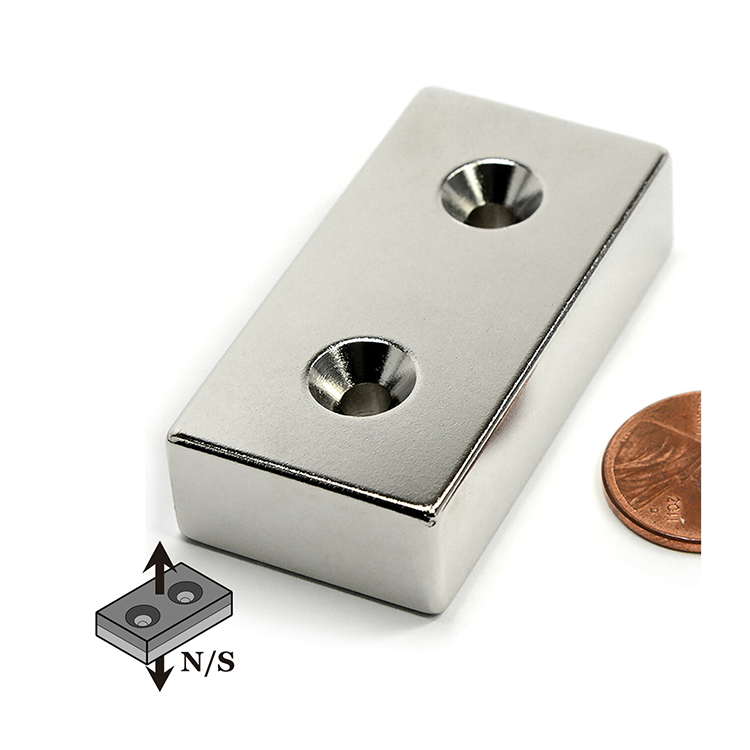
Rare earth magnets are magnets manufactured from compounds of rare earth elements, including neodymium iron boron or samarium cobalt. They are presently the strongest type of permanent magnets, generating considerably stronger magnetic fields than other kinds of magnets like ceramic or alnico magnets. Due to this characteristic, they have replaced alnico and ferrite magnets in a variety of uses, including hard drive head actuators, magnetic resonance imaging (MRI) devices, loudspeakers and headphones, motors, and more.
For over 70 years, we have designed and produced magnetic goods. We have the knowledge and abilities necessary to offer magnet solutions for almost any customer application thanks to our vast expertise. The rare earth magnet products we sell are highlighted below, along with some of their usual uses.
Nd-Fe-B magnets
The rare earth magnets manufactured from neodymium iron boron are the strongest available on the market among industrial magnet materials. This class of rare earth material, which is available in both sintered and bonded forms, has the highest Br, highest BHmax (roughly 10-53 MGOe), and relatively high Hc. Other crucial traits include:
highest percentage of force to weight
high demagnetization resistance
Low machinability (no conventional drilling, turning, milling)
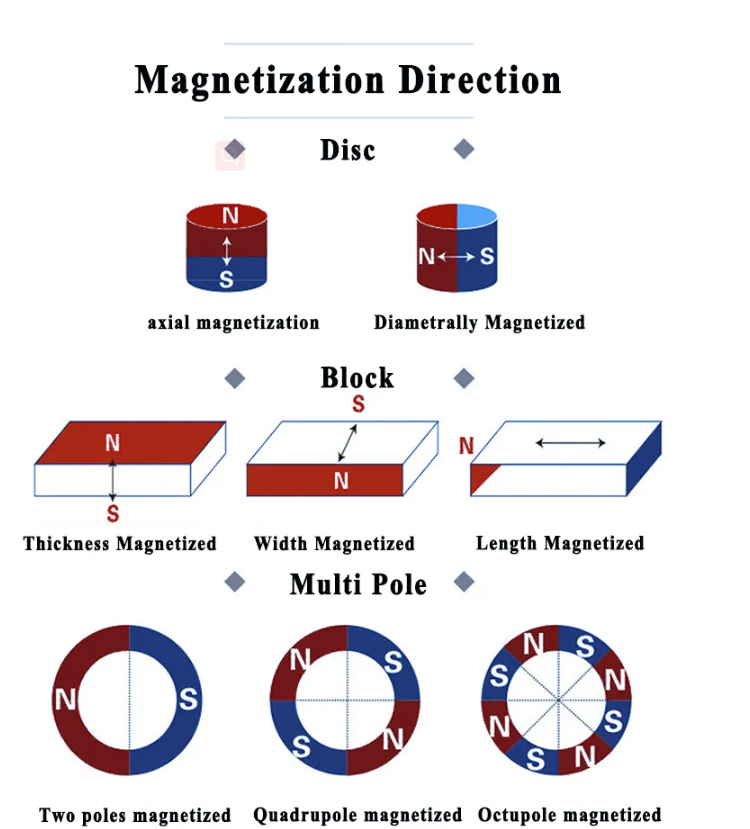
Suitability for magnetization in any direction (given the correct alignment) and numerous pole magnetization ( provided the proper magnetizing fixture is available)
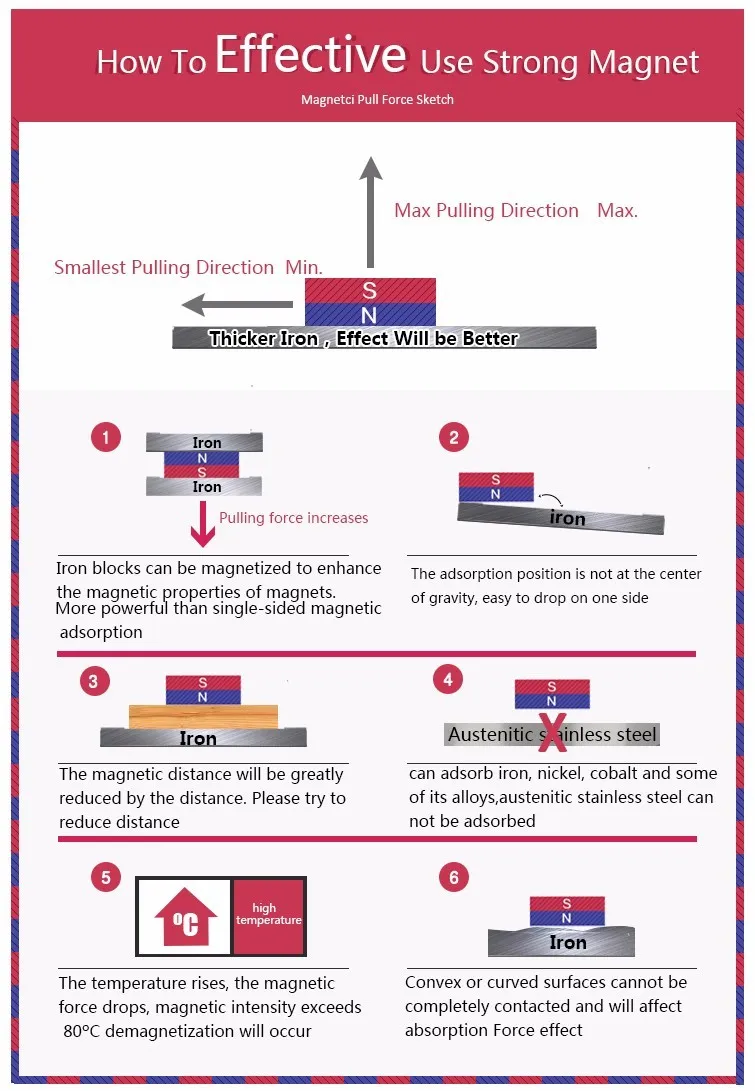
Neodymium magnets frequently outperform samarium cobalt magnets in terms of cost and brittleness. However, due to their vulnerability to high temps and propensity to oxidation, they are only appropriate for specific uses.
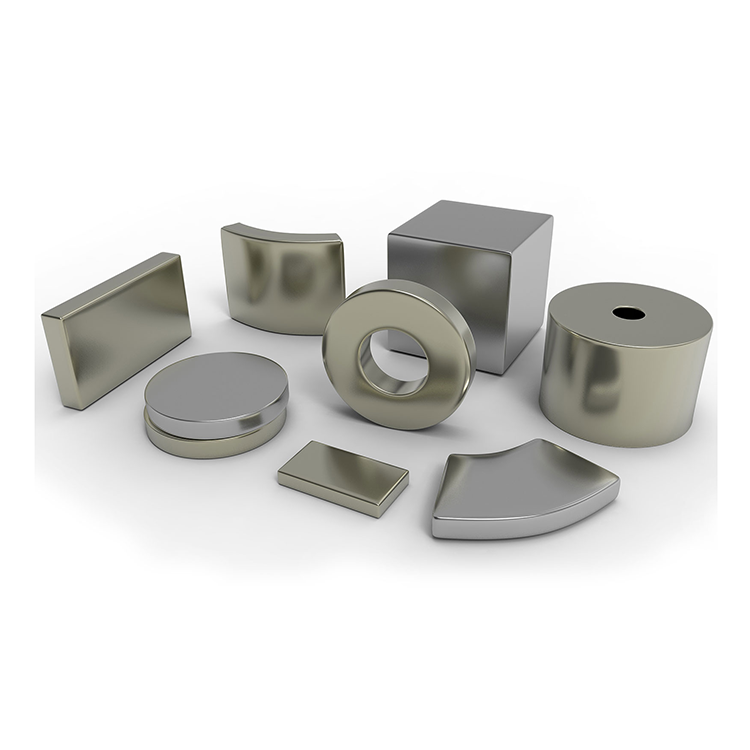
Rare earth neodymium magnets
The following neodymium magnet varieties are available from us:
blocks of neodymium magnets
Magnets made of neodymium
magnetic band neodymium
Choice of Rare Earth Magnets Stock
Adams has many different Rare Earth magnet items available. For stock product details, click on the chosen product category.
Magnets made of neodymium
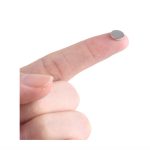
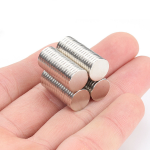
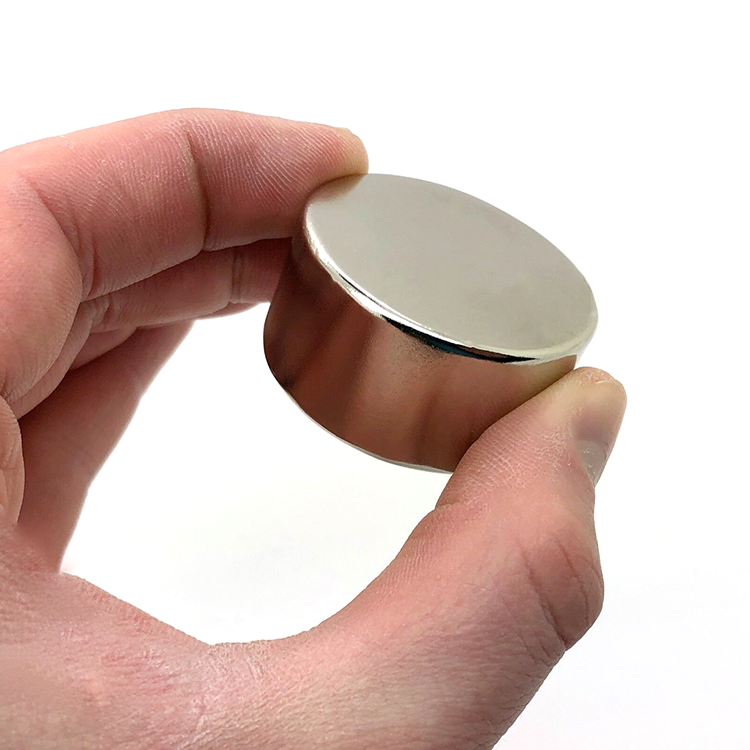
View a tiny selection of the different types of Neodymium disc magnets we currently offer.
blocks of neodymium magnets
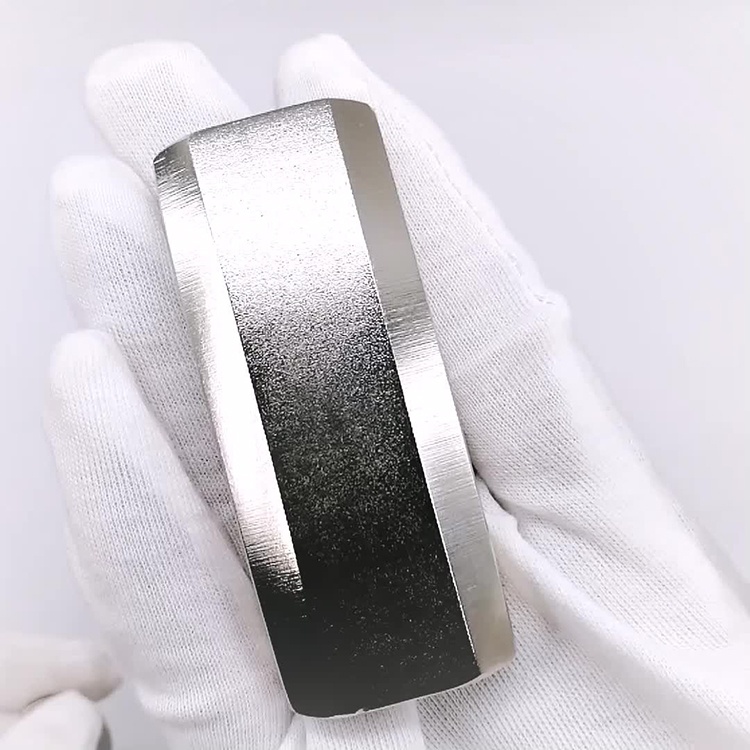
Neodymium magnets are available from Adams in spherical and rectangular pieces.
Magnets made of neodymium
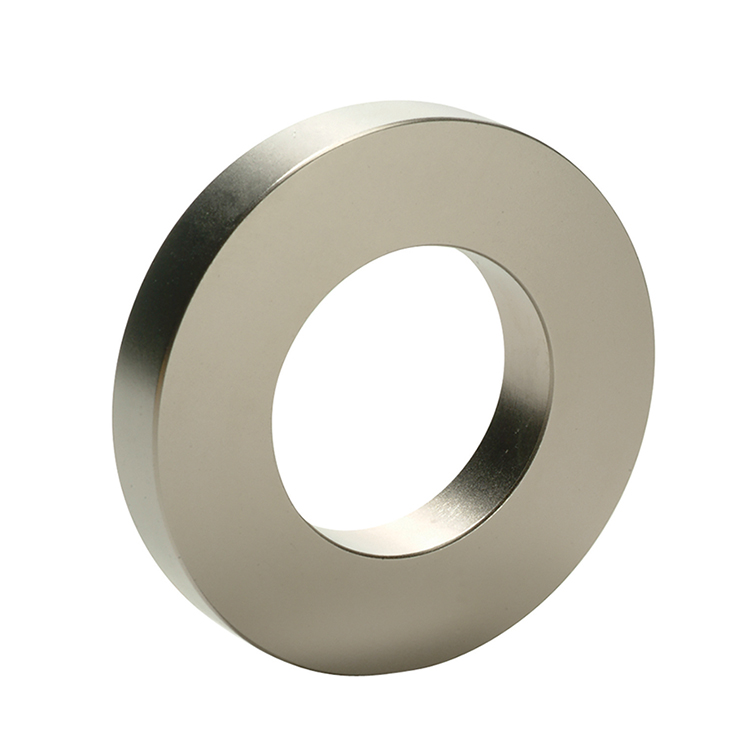
We have thickly attracted NdFe ring magnets in store.
Cobalt-Samarium Disc Magnets
View the classes 18–26 of our inventory of SmCo disc magnets.
Blocks of samarium cobalt
Good temperature stability is offered by our SmCo block magnets!
View our selection of adhesive-backed neodymium magnets, which are excellent for closing.
Cobalt-Samarium Magnets
Samarium cobalt is a rare earth substance that comes in sintered and bonded versions, similar to neodymium iron boron. The two materials have a lot in common, including high Br, high Hc, comparatively high BHmax (between 18 and 33 MGOe), high demagnetization resistance, poor machinability, and suitability for multiple pole magnetization provided the right magnetizing fixture is accessible. Samarium cobalt is better suitable for uses involving corrosive chemicals or high temps because it has higher thermal stability and corrosion resilience than neodymium iron boron.
The following samarium cobalt magnet varieties are available from us:
blocks of samarium-cobalt magnets
Magnets made of samarium and cobalt
Demagnetization Curves for Our Products Using Rare Earth Magnets
The permeance coefficient and working atmosphere of a rare earth magnet are just two of the many variables that affect how well it will work in a magnetic circuit. Magnetic domains are aligned in a particular manner in completely magnetized permanent magnets. The magnet may lose some or all of its magnetic field when certain circumstances lead to some regions drifting out of line. A persistent magnet can be demagnetized primarily in two ways:
Heating. The Curie Temperature is the upper temperature limit for all magnetic compounds. At this juncture, the magnetic domains’ reluctance to movement is outweighed by the thermal agitations that are occurring within the substance. When the substance hits this temperature, the majority of it exhibits almost no net magnetization.
applying a force that demagnetizes. Applying a negative magnetic field to a magnet can demagnetize it partly. This impact can be investigated by examining the demagnetization graph, which contains details about the magnetic properties, such as the strength of the magnetic field and the demagnetization resistance.
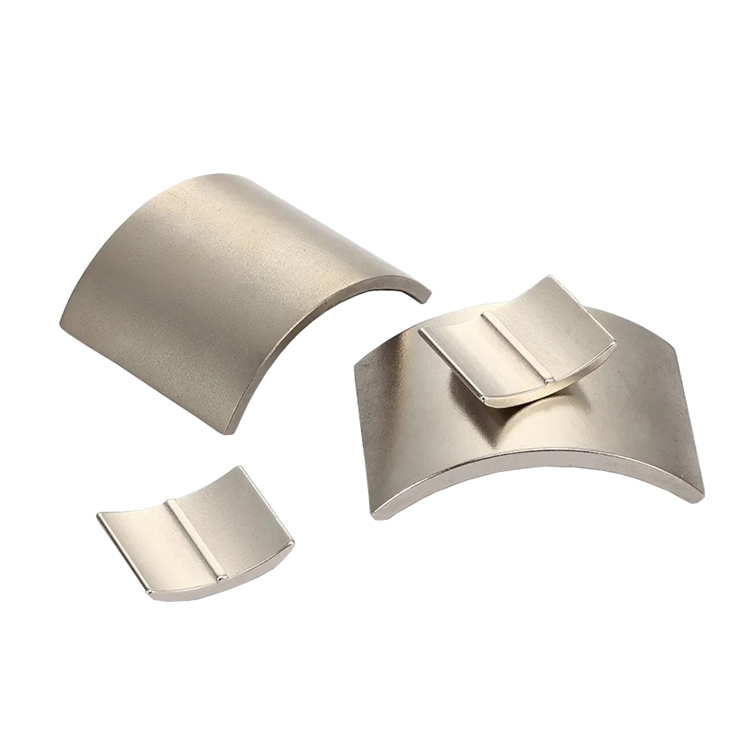
| المنتج الاسم | Neodymium magnets rare earth magnets | |||
| المواد | حديد النيوديميوم البورون | |||
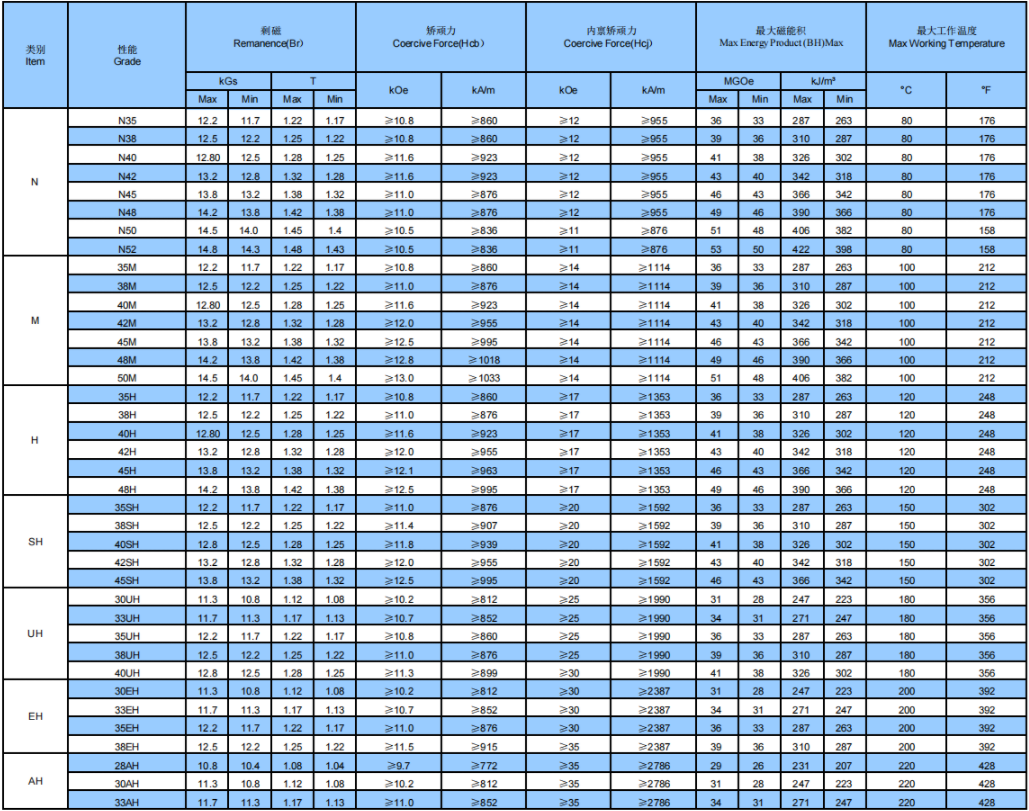
| درجة ودرجة حرارة العمل | الصف | الحد الأقصى. درجات حرارة التشغيل | ||
| N35-N45 | 80 درجة مئوية (176 درجة فهرنهايت) | |||
| N48-N52 | 60 درجة مئوية (160 درجة فهرنهايت) | |||
| 35م - 50م | 100 درجة مئوية (212 درجة فهرنهايت) | |||
| 33 هـ - 48 هـ | 120 درجة مئوية (248 درجة فهرنهايت) | |||
| 33SH-45SH | 150 درجة مئوية (302 درجة فهرنهايت) | |||
| 30UH-40UH | 180 درجة مئوية (356 درجة فهرنهايت) | |||
| 28EH-38EH | 200 درجة مئوية (392 درجة فهرنهايت) | |||
| 28AH-33AH | 220 درجة مئوية (428 درجة فهرنهايت) | |||
|
الحجم |
>31.7mm, Customized | |||
| الشكل | مخصص، إلخ | |||
| الطلاء | النيكل، والزنك، والإيبوكسي، والذهب، إلخ. | |||
| الكثافة | 7.6g/سم مكعب | |||
| التعبئة | التعبئة البحرية أو الجوية القياسية، مثل الكرتون والحديد والصندوق الخشبي، إلخ. | |||
| تاريخ التسليم | 7 أيام للعينات؛ 20-25 يومًا للسلع الجماعية. | |||
Rare earth magnets
Applications of Rare Earth Magnets We provide a wide range of rare earth magnets, such as samarium cobalt block, ring, and disc magnets, as well as nickel-plated neodymium disc, block, and ring magnets. These goods come in a variety of sizes, thicknesses, and grades to accommodate various magnet uses.
The military and security sector is one of the industries that routinely uses our magnet products. We are the perfect provider of magnets and magnetic goods for the defense and military sectors because we completely adhere with the Arms Export Control Act (AECA) and International Traffic in Arms Regulations (ITAR) and have the knowledge, understanding, and systems in place to do so. Customers can feel secure knowing that their data and private information is safe with us because we are an ITAR registered provider.
We also serve as their supplier for materials that are DFARS (Defense Federal Acquisition Regulation Supplement) compatible, assisting them in locating the appropriate supplies for their DoD requirements.
Our magnets are used in the following uses in addition to the military and the defense industry:
Actuators
cordless devices
Signs and displays
devices with electric power steering
Holding
Headphones and speakers
Magnetized connections and bearings
Magnetic sensors for guitars
Systems for magnetic resonance imaging (MRI)
the use of microwaves
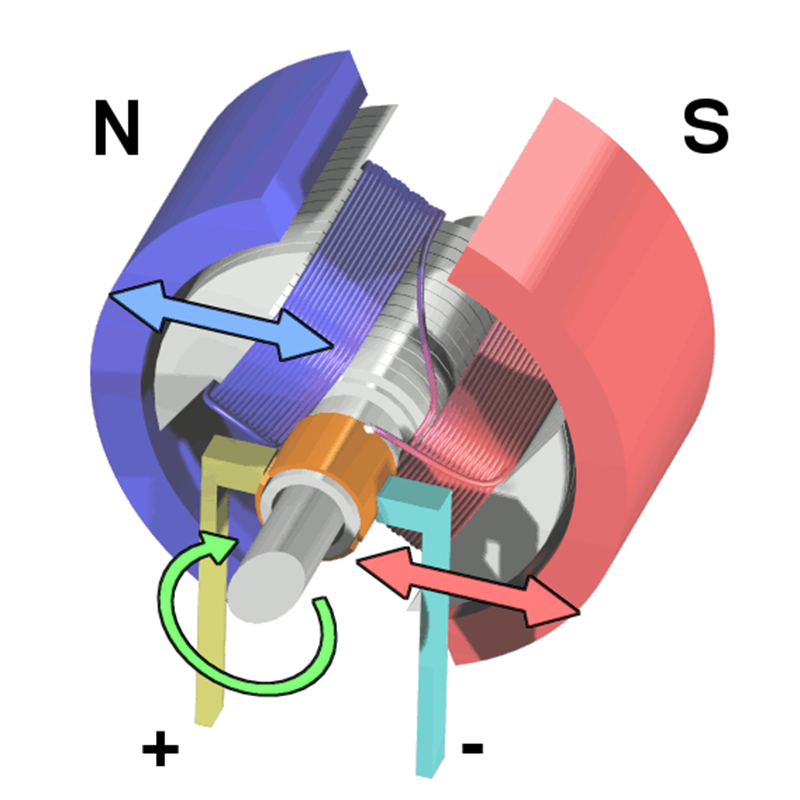
electricity and motors
package seals
المستشعرات
Separators
Dipoles for spectroscopy
The performance of the magnet, the adhesive, and the ensuing bond must all be taken into account if the application calls for the magnet to be glued in or on the component. These include the magnets’ chemistry, their actual makeup, and the objects to which they are attached.
Earth magnet
Our white paper, Gluing Magnets, goes into great detail about each of these elements and offers a few solutions to test.
Adams Magnetic Products’ Rare Earth Magnets
Our technological specialists are prepared to respond to your inquiries and take care of your magnetic requirements. We can assist with picking a magnet to suit a particular purpose, selecting the most economical material, or examining the choices from what is on the market.
assistance with application and design engineering
Analysis and Testing of Magnetic Materials
FEA Value Analysis/Value Engineering Support for Magnetic Circuit Analysis Inventory Management Programs
You gain from working with us for your magnet requirements by:
dedication to values. We consider value to be having the appropriate goods accessible when they are needed and delivering them on time, without defects, and at a price that is reasonable. We are dedicated to consistently providing clients with exceptional value.
dedication to excellence. Our continued ISO 9001:2015 certification serves as a testament to our effective working procedures and dedication to ongoing development. In everything we do, we adhere to the norm of 0% defects.
NdFeB Magnets using neodymium and iron boron
One of the 20th century’s most important scientific discoveries, neodymium magnets have played a crucial role in the development of technology over the past 50 years. They are the strongest magnets in the entire globe and are employed in the manufacture of countless commercial goods. They are incredibly strong for their size and are able to lift objects that are much larger than themselves. Neodymium magnets are made from alloys of the Lanthanide, or lanthanoid, group of elements on the Periodic Table, and are part of the rare earth family of magnets. The rare earth magnets Neodymium and Samarium are produced using the Lanthanide group. Samarium and Cobalt are used to create magnets, whereas Neodymium, Iron, and Boron are used to create Neodymium magnets.
Neodymium-iron-boron (NdFeB) magnets
Samarium (SmCo) magnets are less often employed in the manufacturing of goods than neodymium magnets, which were created in 1982. Samarium magnets are exceedingly expensive to create despite having high magnetic energy, dependable coercivity, and favorable temperature properties. The primary justification for using Neodymium magnets in goods by researchers and producers is the price of Samarium magnets.
Magnets made of sintered and bonded neodymium
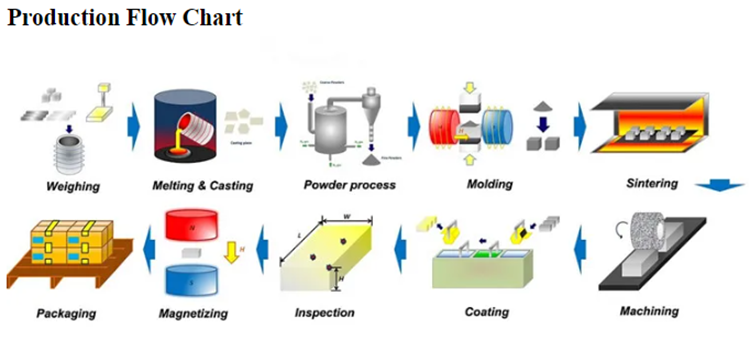
Magnets made of sintered neodymium Powder metallurgy is used to create NdFeB magnets. Prior to sintering, it goes through a strict procedure that is tightly monitored to prevent oxidation or explosions. Before coating and magnetization, the material is sliced or ground to size after sintering. The maximum energy per volume of any permanent magnetic material is provided by sintered NIB magnets.
They are produced in a variety of energy and temperature grades and can lift up to 1000 times their own weight. The starting energy level today is 33 MGO, and 50 MGO versions have been developed in lab tests.
The operating temperature of an element is determined by the inherent (jHc) coercive force. Materials may still have weak temperature coefficients even at SH (high coercivity) 150°C, which implies an open circuit magnet can lose roughly 0.10% of remanence per °C. Reversible Losses are the name for these losses. As the temperature drops, the Remanence will rise. Typically, the alloy is doped with dysprosium or cobalt at the expense of the iron content in order to increase coercivity. As a result, Remanence and MGO are decreased.
Magnets made of sintered neodymium
Due of its high iron content, NIB struggles with corrosion in addition to temperature issues. Despite the fact that magnets are often coated, it is important to avoid surroundings that include hydrogen or saltwater. SmCo magnets can still be thought of as a first option when high temperature or hostile surroundings are encountered, even though neodymium gives 30–40% greater energy levels and is significantly less expensive than SmCo alloys.
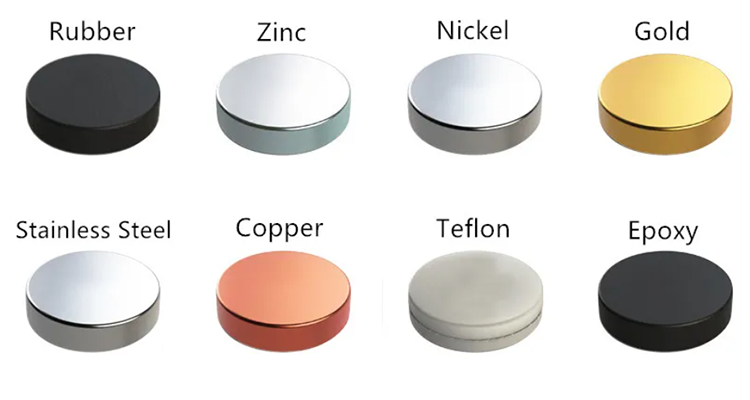
Neodymium magnet surface coatings that are favored include:
Chrome plating
Nickel plating
Epoxy paint
coating with parlene
Uncolored cellulose
Neodymium magnets have many different and varied applications. Aerospace engineers have found magicians to be quite helpful. Their power to weight ratio has enabled previously unthinkable uses,
It altered the design ideas for the contemporary engineer.
NdFeB magnets should be handled carefully due to their brittleness and strong attractive forces that they produce. Always pay attention to the safety instructions.
Magnets made of bonded neodymium
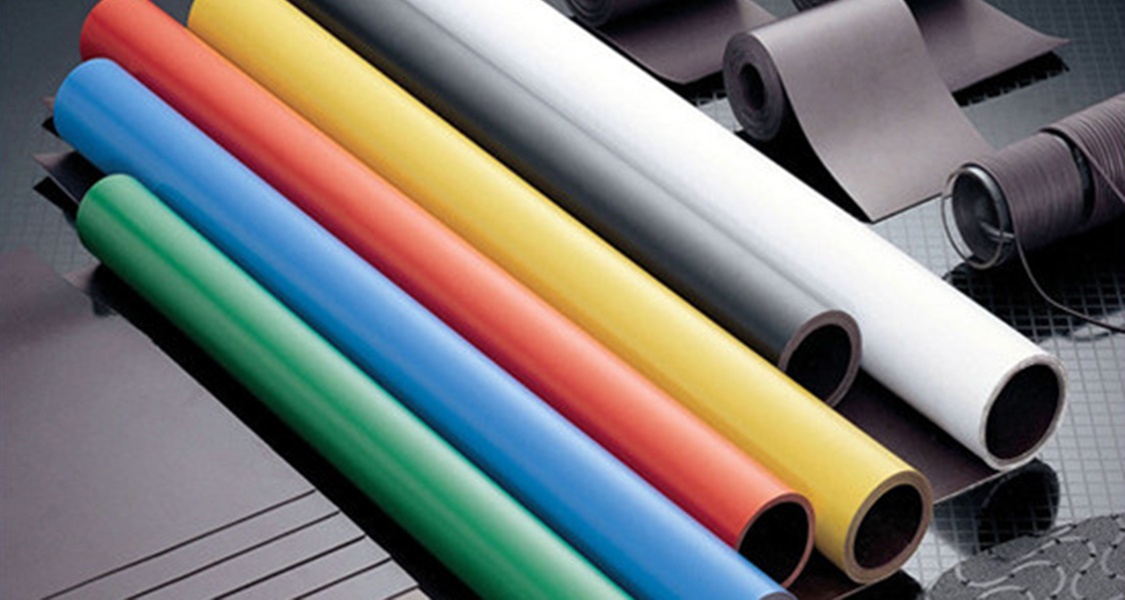
Neodymium powder is bonded with a resin or polymer that is pressed or extruded into a die cavity to create bonded magnets. Since the magnetic field is isotropic during creation and has no particular direction, it is flexible and may be molded into intricate forms or introduced directly into other components.
Compared to injection-molded magnets, which are up to 6 MGOe but can only be made in basic designs, compression-bonded neodymium magnets have greater magnetic characteristics, up to 12 MGOe.
Bonded magnets are corrosion resistant, but for endurance, they are typically epoxy coated, which further boosts their resistance to corrosive substances. They are a great option for applications demanding strong magnetism and precise tolerance.
Magnets made of bonded neodymium
Bonded neodymium magnets are isotropic and may be magnetized in either direction during the compression process.
Neodymium magnet uses and applications
Neodymium magnets have been a crucial component of several industrial processes as well as the manufacture of consumer goods since they were first introduced by General Motors and Sumitomo Special Metals in the middle of the 1980s. Neodymium magnets of extreme strength are used by businesses in the technology, medical supply, renewable energy, and electrical motor manufacturing industries.
Neodymium magnets’ capacity to take on a variety of shapes is its main draw.