PHYSICAL AND MAGNETIC CHARACTERS
Bonded ndfeb magnet come in a range of grades to enable several industrial applications. Neo grades commonly fall between 33 MGOe and 55 MGOe. This range enables cost, performance, and operational temperature resistance optimization.
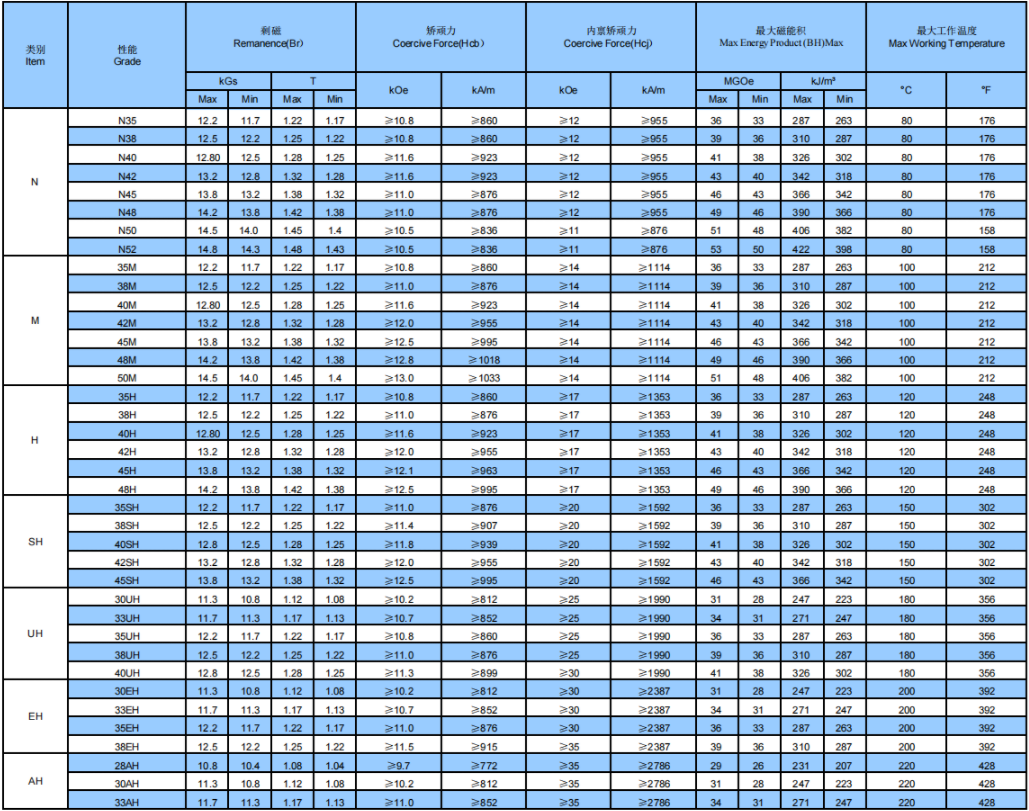
The standard practice for “Grade” is to utilize the Energy Density or Maximum Energy Product of the specific magnet alloy. The grade is frequently followed by letters or a two-digit number that describes the magnet alloy’s amount of intrinsic coercive force (Hci). This Hci provides a reliable indication of the highest temperature that a certain Neo alloy can withstand before irreversible demagnetizing takes place.
Energy Density increases with “Grade number,” which is greater. Generally speaking, stronger magnets have larger Energy Densities, however this is highly dependant on the environment in which the magnet operates.
We get inquiries concerning the variations in magnetic materials every day. Selecting the appropriate grade for your application is crucial whether using Neodymium magnets, Samarium Cobalt (SmCo) magnets, Ceramic magnets, Alnico magnets, Bonded magnets, or Injection Molded magnets.
The designation of magnets and the distinctions between magnet grades will be attempted to be clarified in this article. Neodymium (NdFeB) and samarium cobalt (SmCo) magnets, the two strongest rare earth magnets currently on the market, will be our main emphasis.
Prior to Starting: Your Application
We will surely inquire about the application while assisting consumers with magnet selection. This aids in our comprehension of the magnet’s environment and needs.
However, due to confidentiality and privacy concerns, our clients are only allowed to disclose the application in around 50% of cases. If this is the case, we will then pose inquiries like:
what is an ndfeb magnet
What is the maximum operational temperature to which the magnet will be exposed?
What other materials—such as steel, aluminum, plastic, etc.—will be around the magnet?
What large is the magnet’s working space?
What tolerances are necessary?
Is the magnet part of an assembly or is it working on its own?
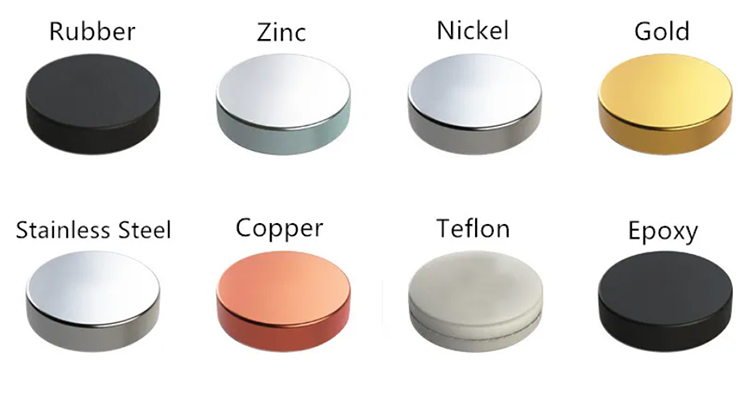
Exist any special standards for coating?
These are just a few of the questions we may have, but they might trigger others concerning other operating systems and configurations.
There are several grades of neodymium magnets and samarium cobalt magnets.
There are many aspects and considerations that go into design, but for the sake of this article, the topics that will be covered are the magnets’ strengths, coercivity, and considerations for choosing a magnet.
Magnet Potency
The magnet specification known as BHmax, which is the highest energy density of a magnet, may be used to determine a magnet’s strength. Mega Gauss Oersteds, or MGOe, defines this. This is the magnet’s strongest point, or its greatest energy product, on a magnetic demagnetization curve.
The BHmax for neodymium (NdFeB) magnets will typically vary from 30 MGOe to 55 MGOe. Therefore, bear in mind that the greater the number, the stronger the magnet, while specifying your magnet needs. The greatest MGOe of any permanent magnet material is produced by neodymium magnets. Ndfeb magnet round are available in the following grades: N35, N38, N40, N42, N45, N48, N50, N52, and N55.
The BHmax for samarium cobalt (SmCo) magnets will be between 16 and 32 MGOe. The stronger the magnet, just like with neodymium magnets, the higher the number. Samarium-cobalt magnets often come in grades 16, 18, 20, 22, 24, 26, 28, 30, and 32. As you can see, neodymium magnets have greater MGOe values than samarium cobalt magnets.
This shows neodymium magnets to be more powerful than samarium cobalt magnets.
Coercivity of Magnets
Let’s define coercivity first, also known as the material’s “Hci”. There are several letters following some of the grades on a neodymium magnet silver table of accessible materials. These letters stand for the magnet’s resistance to demagnetization forces, such as heat or other magnetic fields acting against it. There are a few methods providers or makers of permanent magnets might specify the coercive force, but we’ll focus on the method that is most frequently used: the writing system. This letter system employs the letters M, H, SH, UH, EH, and TH after the grade to specify the magnets’ requirements for fending against demagnetization pressures.
When a letter follows a magnet grade, it means that the substance in question is better able to resist demagnetizing forces. Heat will be used as the demagnetizing force for our purposes because it affects magnets most frequently. Furthermore, rather than being “hard and fast rules,” the following instances are “general rules”. We will go into further detail in the Considerations section below.
When a neodymium magnet’s strength is listed without a letter after the grade, as in N38, N45, or N52, it means that the magnet can operate in conditions with a maximum working temperature of no more than 80C. A magnet marked with a “M” (e.g., N35M, N42M, etc.) may typically be utilized in an operational environment.
A “H” material can withstand temperatures of up to 120°C, a “SH” up to 150°C, a “UH” up to 180°C, a “EH” up to 200°C, and a “TH” up to 220°C. Again, these are basic guidelines, and coercivity judgments are influenced by a variety of other factors.
Possibilities Strength
Why not just always get the strongest strength available? Just because it’s not always best to choose the option with the most strength. For instance, a sensor magnet may need to generate a particular magnetic field at a specified distance. The sensor specifications will provide a definition for this area. If a neodymium N52 magnet is used instead of the proper samarium cobalt 24, the sensor could not function properly.
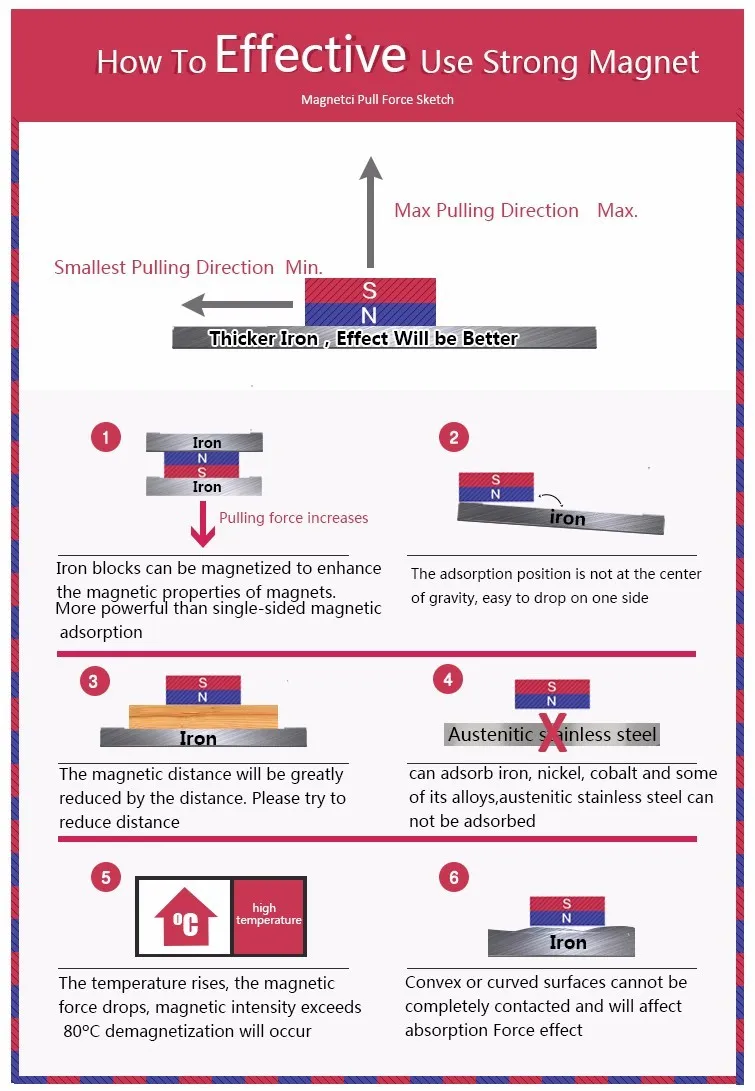
The use of motors is another frequent example. With an N48 material, a motor’s windings could be good, but with a N55, they might overheat. Or a stronger magnet could be sufficient in a holding application, whilst a lesser grade material would not retain enough. Determining pull or holding strength, the necessary magnetic field, or the saturation point of the materials around the magnet will also be helpful.
Buy ndfeb magnet
Cost factors are typically brought up throughout the conversation. Generally speaking, the price increases with the grade. Although there are additional factors, such as form and size, we will adopt the basic rule that greater quality = higher price for this reason. Additionally, in addition to this guideline, the higher the letter after the grade, the more expensive. An N48H will thus cost a little more than an N48, for instance. And so on, an N48SH will cost more than an N48H. And finally, if a higher letter is chosen, even a lower quality material may cost more than a higher grade material. For instance, it is conceivable that a N35SH will cost more than a N38 or even an N40.
التطبيق
We acknowledge that we might not always be aware of the ultimate use, as was stated in the opening section of this text. A poorer quality magnet may function just well in some circumstances when a magnet is paired with other materials or even with other magnets to better influence the field.
If you require a very concentrated field, get in touch with us and we can work out the specifics; however, focused or affected magnetic fields are a different matter that involves a lot of detail.even if we are unsure about the application.
Dimensions & Magnet Shape
The “general rules” pertaining to strength and coercivity were applied in the instances above. Any engineering idea has elements that have an impact on other elements. The magnet’s shape and size also matter. For instance, a very thin N45H material may be stated as being able to withstand an operating temperature of 120C; nevertheless, if the magnet’s size or form is exceedingly small, it may be preferable to use an N45SH material.
If the size and form do need to be discussed, we can look into whether there is a way to combine the magnet with other materials while maintaining the coercivity.
Not Every Grade Is Made Equal Determining the trade-offs may be necessary for equal use of permanent magnets. As you can see from the information above, you might need to decide whether coercivity or strength is more crucial. Alternatively, consider whether neodymium magnets might be preferable than samarium cobalt magnets, or the opposite. Coercivity and strength can be traded off. The coercive force of a magnet might not be there as you go stronger in a magnet grade. For instance, a UH material will be necessary if you need a magnet that can withstand temperatures of 180C.
You can collaborate with a professional magnet expert to choose the ideal magnet for your application. Visit our Design Assistance page to read more about prior projects that the SM Magnetics Engineers have worked on with our clients.