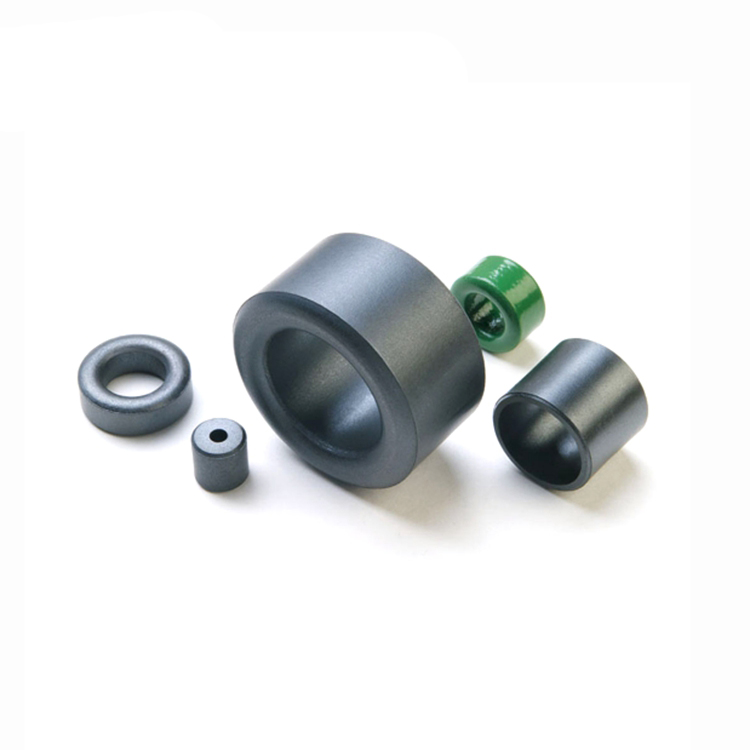
Purchase holding pots, rings, blocks, and ferrite discs online!
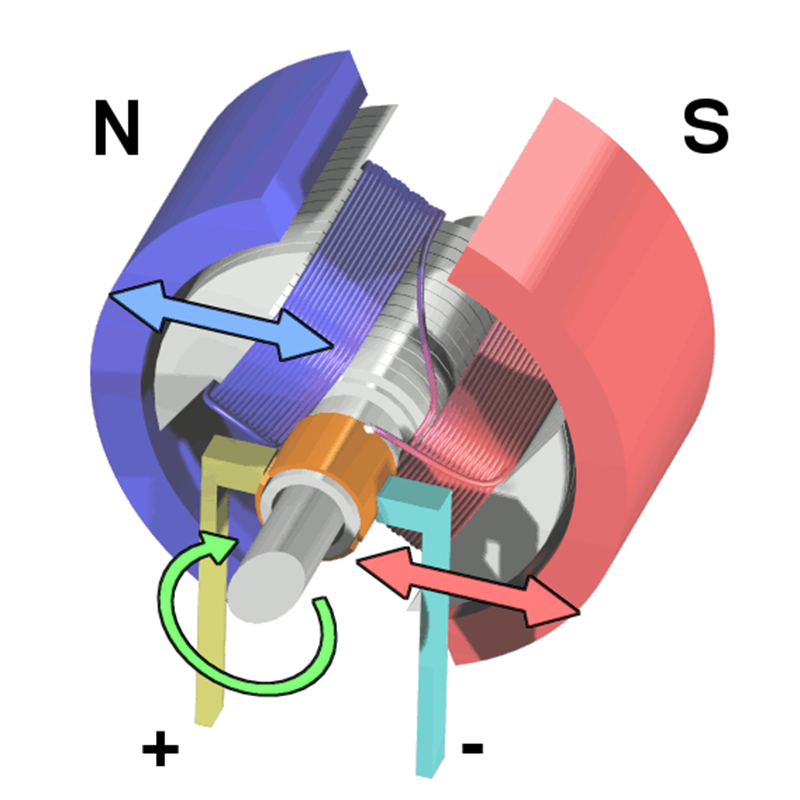
These premium permanent magnets, which have been widely accessible since the 1950s, come in a variety of sizes, shapes, and strengths. Temperatures as high as 250 degrees Celsius can be employed with ferrites. They are frequently utilized for a variety of tasks in science experiments, handicrafts, music speakers, motors, water conditioning assembly, magnetic separators, and motors.
Properties of Ferrite Ceramic Magnets: Ferrite magnets are formed of a composite material consisting of iron oxide and either barium carbonate (BaC03) or strontium carbonate (SrC03). The fine alloy powder is compacted in a die and then heated to fuse it into a solid form. They are categorized as hard materials, along with other permanent magnets like neodymium, samarium cobalt, and alnico, because of their strong coercive force.
Ferrite magnets are the most widely utilized permanent magnets in use today because the raw ingredients needed to make them are easily obtained and reasonably priced.
If you would like further information about our Ferrite Magnets, please get in touch with our sales team.
Features of ferrite magnetic materials
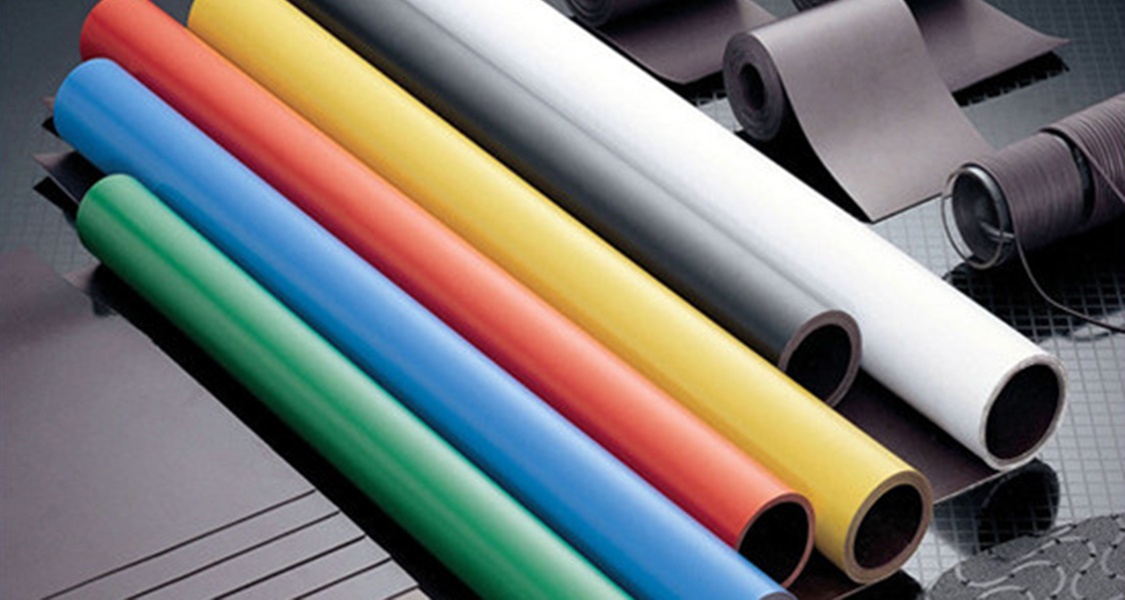
The distinctive black color of ferrite magnets is what sets them apart. The most common kind of ferrite magnets is the traditional board magnet, which is used in homes, workplaces, and schools. Nonetheless, ferrite raw magnets are also utilized in industry because of their characteristics. As raw magnets for additional processing, ferrite magnets are perfect. Because ferrite magnets can withstand temperatures of up to 250 °C, whereas neodymium magnets irreversibly lose their magnetization at 80 °C. For this reason, ferrite magnets are used in applications where a magnet’s endurance is more important than its strong magnetic force. Ferrite magnets have the benefit of having a long lifespan in harsh environments.
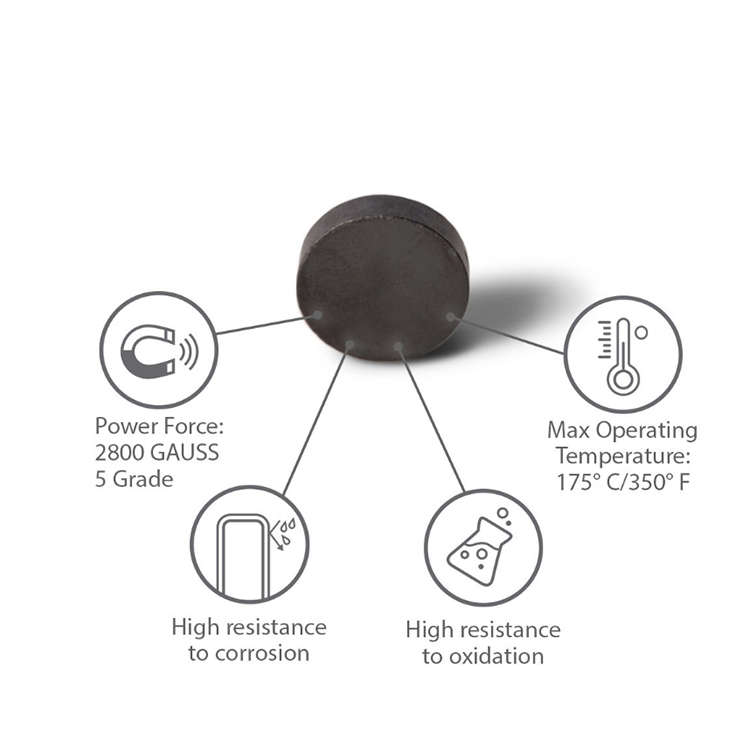
Additionally, they are resistant to salts, lyes, and chemicals. The class of permanent magnets includes ferrite-based magnets.
The most common type of magnet produced worldwide is the ferrite magnet. Ferrite magnets are also referred to as ceramic magnets since they are mostly composed of ceramic materials. Ceramic permanent magnets are employed in goods and applications that require a low-cost permanent magnet because of how inexpensively they can be manufactured. These consist of toys, pumps, magnetic filters, loudspeakers, microphones, and specific motors.
Shapes of ferrite magnets
The most popular ferrite magnet forms are available at the supermagnete online store:
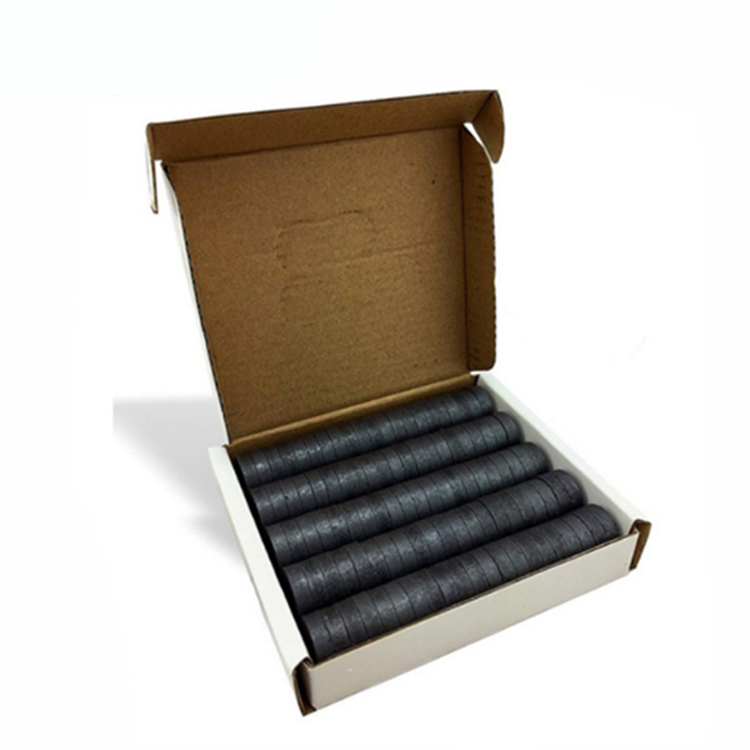
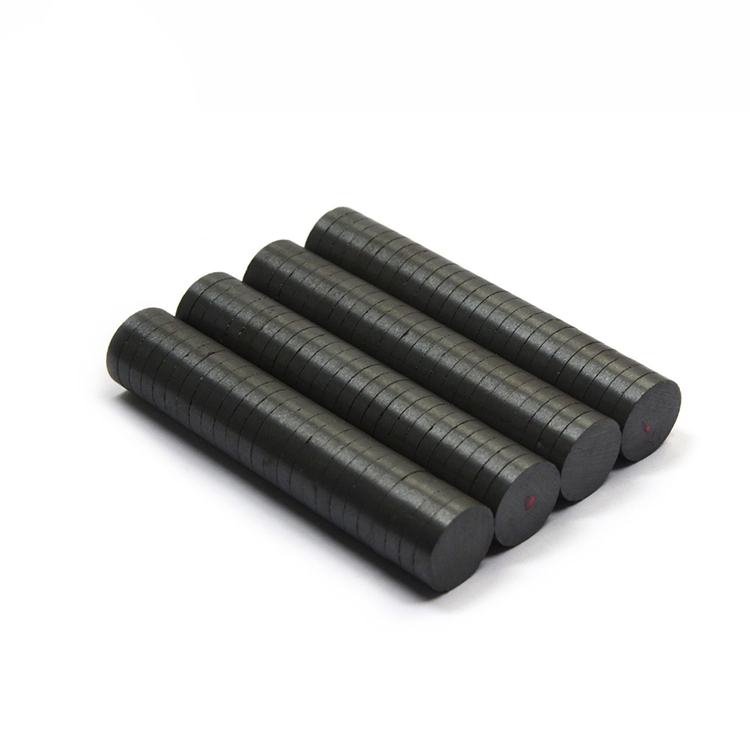
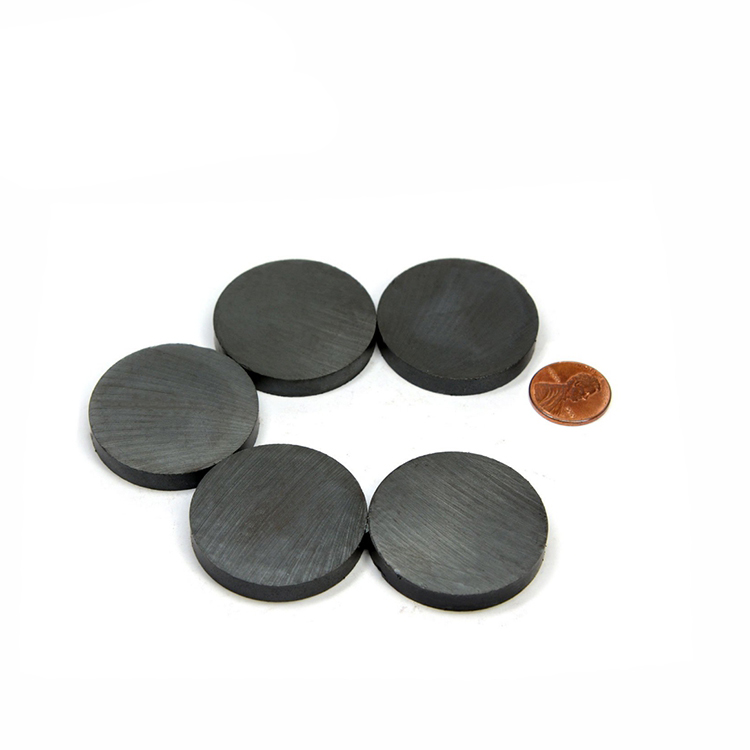
Magnetic ferrite discs
Magnets for ferrite blocks
Magnesium ferrite rings
Pot magnets and magnet systems with ferrite magnets are also included in our offering. These are unique-looking ferrite magnets. It should be noted that spherical and rod-shaped magnets fall within the neodymium magnet group only.
What distinguishes magnetically hard ferrites from magnetically soft ferrites?
Magnetically soft ferrites and magnetically hard ferrites are the two different forms of ferrite. The strength of the coercive field makes a difference. The maximum coercive field strength is found in magnetically hard ferrites, while the maximum coercive field strength is found in magnetically soft ferrites. Simply expressed, this number represents the degree to which a magnet maintains its magnetization in the presence of an opposing magnetic field.
It is preferable if the number is greater. While magnetically hard ferrites are, for instance, utilized in microphones and loudspeakers, magnetically soft ferrites are used in electrical engineering.
The ferrite magnet production method
The materials go through several steps in the intricate process of making ferrite magnet speaker. To put it simply, the manufacturing process operates as follows:
The raw ingredients are ground into a very fine powder, including iron-oxygen complexes like hematite and iron(III) oxide.
In a process known as calcining, this fine powder is heated to 1,000 °C. It is then combined with water and a binding agent and dried, which turns the combination back into a powder.
The powder is pressed into the raw magnet’s form once it has dried.
It is preferable if the number is greater. large ferrite ring magnets for Sale While magnetically hard ferrites are, for instance, utilized in microphones and loudspeakers, magnetically soft ferrites are used in electrical engineering.
The ferrite magnet production method
The materials go through several steps in the intricate process of making ferrite magnets. To put it simply, the manufacturing process operates as follows:
The raw ingredients are ground into a very fine powder, including iron-oxygen complexes like hematite and iron(III) oxide.
In a process known as calcining, this fine powder is heated to 1,000 °C. It is then combined with water and a binding agent and dried, which turns the combination back into a powder.
The powder is pressed into the raw ceramic ferrite magnet’s form once it has dried.
using an external magnet’s assistance. Our Magnetism A-Z Glossary under Magnetisation has comprehensive information about this process (in German). Our selection of ferrite magnets is anisotropic. This indicates that the magnets are magnetized in a specific direction. Read more about this subject on our FAQ page. What is the anisotropy or isotropy of this magnet?
To prevent the magnetization from dissipating, the procedure is repeated.
The ferrite magnets can now be processed further.
Additional details
Additional information on ferrite magnets may be found in our FAQ sections. Under “Material Features of Ferrite,” you may discover more details regarding the properties of ferrite, such its density and electric resistance. Should I purchase a neodymium or ferrite magnet? provides a thorough analysis of the benefits and drawbacks of each kind of magnet.
Outside ferrite magnets
Ferrite raw magnets are perfect for outdoor use since they don’t corrode. Over time, only the ferrite pot magnets in our collection may develop a rust coating on their pots; nevertheless, this has no bearing on the adhesive force of the magnets. Intriguing outdoor uses for ferrite magnets may be found in our client projects:
Hanging flag on the balcony: Employ ceramic magnets.
can use the balcony to display your banners and flags.
Magnetic Advent window: Ferrite raw magnets may be used to decorate your garage door.
Put a cat net in place without drilling: Wet weather or dry, ferrite magnets will hold your cat net firmly in place.
Ceramic magnets, also referred to as “Ferrite” magnets, are the least expensive hard magnets on the market right now and are members of the permanent magnet family. Ceramic (ferrite) magnets, which are made of strontium carbonate and iron oxide, have a medium magnetic strength and can withstand temperatures up to very high. Their ability to withstand corrosion and their ease of magnetization make them a preferred option for a variety of consumer, commercial, industrial, and technical applications.
Ceramic disc, block (rectangular & square), ring, and round cup magnets are all readily accessible for purchase at Magnetshop.com in a vast assortment of shapes and sizes. If you submit us a request for a price or get in touch with us right now, we can also custom produce ceramic magnets to your exact requirements. Together, we’ll figure out the best cost-effective option for your project.
Magnet Comparison
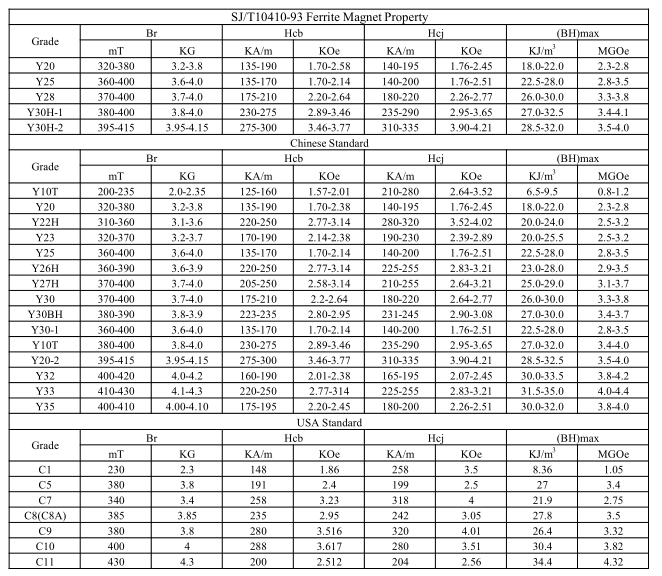
The residual induction, coercive force, and maximum energy product of magnets are commonly used to rate them. For further information, see section 4.0 here. The strongest point at which the magnetic substance may be magnetized is indicated by this.
Grades and Shapes of Ceramic Magnets
Ceramic Grades 5 through 8, which are the most often used, may be custom made to match your unique specifications. They are available in disc, ring, and block (rectangle & square) shapes.
Temperature-Related Issues with Ceramic Magnets
Although the temperature of ceramic magnets decreases with increasing heat, they may still be employed at rather high temperatures. Roughly 75% of their room temperature magnetic characteristics are preserved at 175°C (350°F).