



Permanent Magnet Generators
The compressor of the inverter air conditioner is an important downstream of permanent magnet materials. Currently,
the magnets used in air conditioner compressors are divided into two types: ferrite permanent magnet materials and high-performance neodymium iron boron permanent magnet generators materials: ferrite permanent magnet materials have lower performance.
It will demagnetize in the environment of minus 7 degrees or minus 8 degrees, and is mostly used in the production of mid-to-low-end inverter air conditioners; high-performance NdFeB permanent magnet materials are mainly used in the production of high-end inverter air conditioners.
With the support of industrial policies for energy conservation and environmental protection and the trend of technological upgrading, the application of ferrite permanent magnet materials in variable frequency air conditioners will gradually be replaced by high-performance NdFeB permanent magnet generators t materials.

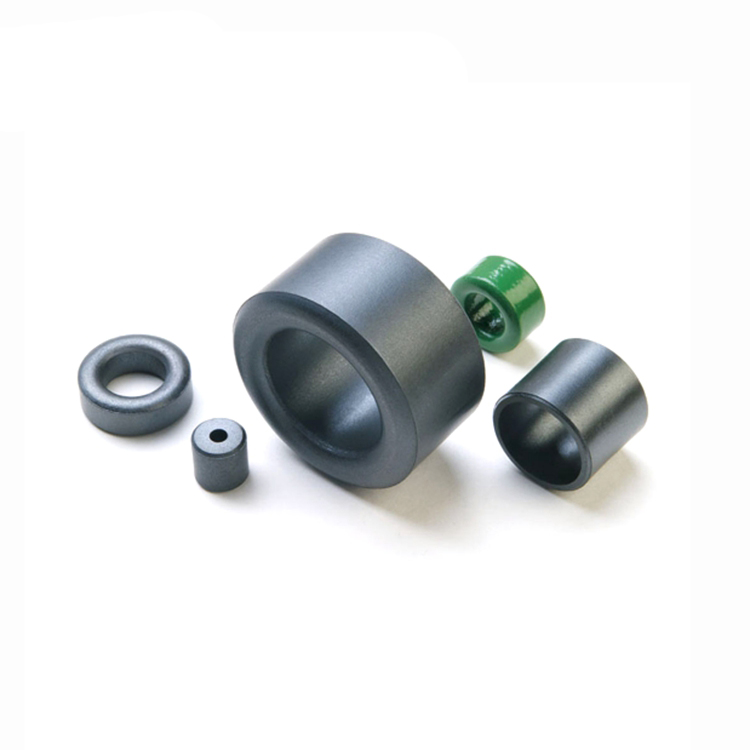
NdFeB magnets for variable frequency compressors should have excellent magnetic properties, low temperature coefficient, low irreversible demagnetization rate at high temperatures, and strong corrosion resistance in high temperature, Freon and refrigeration oil environments. The general selection is high-performance NdFeB permanent magnets such as 42SH, 38UH, 38EH, etc.
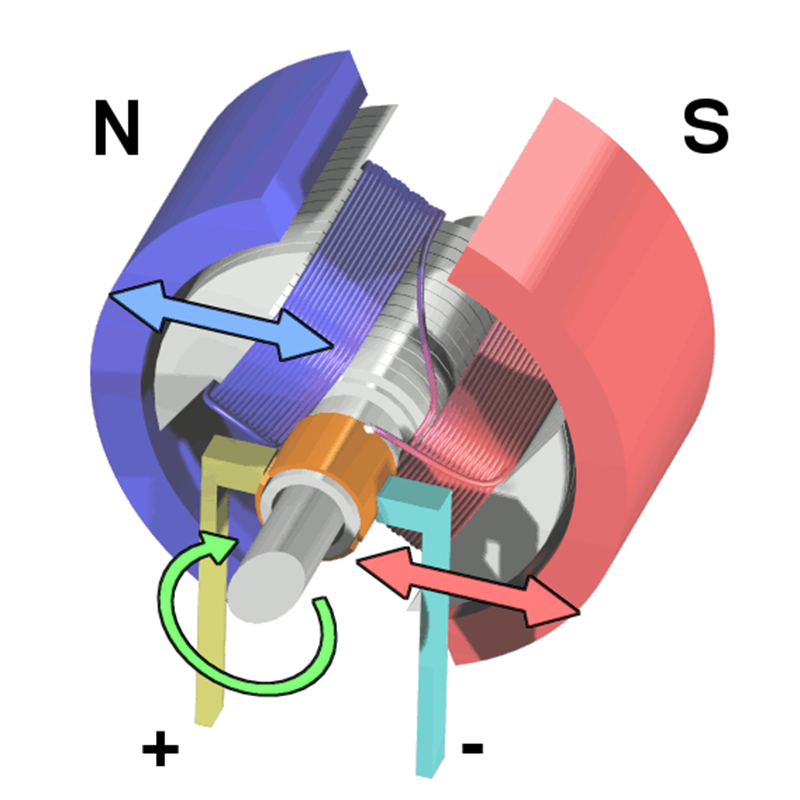
Permanent magnet generators (PMGs) are electrical generators that utilize permanent magnets to produce a magnetic field for generating electrical power. Unlike traditional generators that use electromagnets, PMGs have magnets that retain their magnetism without the need for an external power source.
This makes PMGs more efficient, reliable, and maintenance-friendly compared to generators with electromagnets. PMGs find applications in various fields, including wind turbines, hydroelectric power plants, and small-scale renewable energy systems permanent magnet generators . In wind turbines, PMGs are often used in direct-drive systems, where the rotor is directly connected to the generator without the need for a gearbox, resulting in higher efficiency and reliability.
The key advantages of PMGs include: Efficiency: PMGs typically have higher efficiency due to the absence of energy loss associated with powering electromagnets. Reliability: Since there are no electromagnets to wear out or require maintenance permanent magnet generators , PMGs tend to be more reliable and have longer lifespans. Compactness and Lightweight: PMGs are often more compact and lightweight compared to traditional generators, making them suitable for various applications where space and weight are constraints.

Low Maintenance: The absence of brushes and slip rings reduces maintenance requirements, leading to lower operational costs. High Power Density: PMGs can achieve high power density due to their compact design and efficient operation. Despite these advantages, PMGs may have limitations in terms of maximum power output and cost.
Additionally, the availability and cost of rare-earth magnets, which are commonly used in PMGs, can affect their economic feasibility. Overall, permanent magnet generators offer a promising solution for generating electricity efficiently and reliably, particularly in renewable energy applications where sustainability and reliability are crucial factors.
Inverter air conditioners use a variable-speed compressor to regulate the temperature of a room more efficiently compared to traditional air conditioners. The compressor is the heart of the air conditioning system permanent magnet generators , responsible for compressing refrigerant gas and circulating it through the system to transfer heat from inside to outside (in cooling mode) or from outside to inside (in heating mode).
The compressor in an inverter air conditioner differs from that in a conventional AC unit in that it can vary its speed based on the cooling or heating requirements of the room. This variable-speed operation allows the compressor to adjust its capacity according to the desired temperature, which leads to more precise temperature control and higher energy efficiency.
There are several types of compressors used in inverter air conditioners:
Rotary Compressor: This type of compressor is commonly used in inverter air conditioners due to its smooth and quiet operation. It consists of a rotor with multiple vanes that rotate within a cylinder to compress the refrigerant gas.
Scroll Compressor: Scroll compressors are also used in some inverter air conditioners. They operate by using two spiral-shaped scrolls—one fixed and one orbiting—to compress the refrigerant gas. Scroll compressors are known for their high efficiency and reliability.
Linear Compressor: Some premium inverter air conditioners may use linear compressors, which operate with a piston moving in a linear motion. Linear compressors offer even greater energy efficiency and precise control but are typically found in higher-end models due to their cost.
Each type of compressor has its advantages and disadvantages in terms of efficiency, reliability, and cost. However, inverter air conditioners, regardless of the compressor type, generally offer better energy efficiency and more precise temperature control compared to traditional air conditioners.
When choosing an inverter air conditioner, it’s essential to consider factors such as the size of the room, the desired cooling or heating capacity, energy efficiency ratings, and budget permanent magnet generators . Additionally, regular maintenance and proper installation are crucial for ensuring optimal performance and longevity of the compressor and the entire air conditioning system.
Magnets play a crucial role in various components of air conditioners, primarily in the electric motors and fans. Here’s how magnets are used in air conditioning systems:
Fan Motors: Permanent magnet generators are commonly used in the motors of indoor and outdoor fans in air conditioners. These magnets help in creating the rotating magnetic field necessary for the operation of the motor. In some cases, brushless DC motors with permanent magnets are utilized for greater efficiency and durability.
Compressor Motors: In some types of compressors, such as those found in variable-speed or inverter air conditioners, permanent magnet generators may also be employed. These magnets contribute to the creation of the magnetic field within the motor, enabling it to operate efficiently at variable speeds, which is essential for the inverter technology used in modern air conditioners.
Solenoid Valves: While not directly related to the operation of the air conditioner’s cooling or heating process, solenoid valves are used in air conditioning systems for controlling the flow of refrigerant. Magnets are a crucial component of solenoid valves, as they help in actuating the valve by generating a magnetic field when an electrical current passes through the solenoid coil.
Sensor Applications: Magnets are sometimes utilized in sensors within air conditioning systems. For example, permanent magnet generators can be used in proximity sensors to detect the position of moving parts, such as valves or dampers, within the system. This information can then be used by the system’s control unit to regulate various parameters, such as refrigerant flow or air distribution.
In summary, magnets are integral components in the motors, valves, and sensors used in air conditioning systems. They contribute to the efficient operation, control, and performance of various components within the system, ultimately ensuring the effective cooling or heating of indoor spaces.
Magnets play several essential roles in air conditioning systems, contributing to their efficiency, functionality, and control. Here are some key applications of magnets in air conditioners:
Electric Motors: Magnets are fundamental components in the electric motors used in air conditioners. Permanent magnets are commonly employed in the motors driving indoor and outdoor fans permanent magnet generators , as well as in some compressor motors. These magnets generate the magnetic field necessary for the operation of the motor, facilitating the rotation of the motor’s shaft and driving the fans or compressor.
Inverter Technology: Inverter air conditioners use variable-speed compressors to adjust cooling or heating output according to the required temperature. Magnets are integral to the operation of these variable-speed compressors, particularly in brushless DC motors or other types of motors with permanent magnets. The permanent magnet generators aid in creating the magnetic field within the motor, enabling it to operate efficiently at variable speeds, which is essential for inverter technology.
Solenoid Valves: Solenoid valves are used in air conditioning systems for controlling the flow of refrigerant. Magnets are crucial components of solenoid valves, as they help in actuating the valve by generating a magnetic field when an electrical current passes through the solenoid coil. This allows precise control over the flow of refrigerant permanent magnet generators , enhancing the efficiency and performance of the air conditioner.
Proximity Sensors: Magnets are utilized in proximity sensors within air conditioning systems. These sensors detect the position of moving parts, such as valves or dampers, within the system. By using magnets in proximity sensors, the system can accurately monitor the position of these components and adjust operation accordingly, optimizing performance and energy efficiency permanent magnet generators .
Magnetic Filters: Some air conditioning systems incorporate magnetic filters to remove ferrous contaminants from the refrigerant or air stream. These filters use magnets to attract and capture metal particles, preventing them from circulating through the system and causing damage to components such as compressors or heat exchangers.
Overall, magnets play critical roles in various components and technologies used in air conditioning systems, contributing to their efficiency, reliability, and performance. Whether in electric motors permanent magnet generators , solenoid valves, proximity sensors, or magnetic filters, magnets are essential elements that help ensure the smooth operation and functionality of air conditioners.
The number of magnets used in air conditioners can vary depending on the specific design and components of the air conditioning system. Here’s a general overview of where magnets are typically used in different types of air conditioners:
Fan Motors: Air conditioners usually have at least one indoor and one outdoor fan motor. Each motor may contain multiple magnets, depending on the motor’s design and configuration. For example, a fan motor may have several permanent magnets arranged around the rotor to generate the necessary magnetic field for rotation.
Compressor Motors: In traditional air conditioners, the compressor motor may not necessarily contain magnets, especially in single-speed compressors. However, in modern inverter air conditioners, the compressor motor often utilizes permanent magnets to enable variable-speed operation. The number of magnets in compressor motors can vary based on the motor’s design and size.
Solenoid Valves: Solenoid valves used in air conditioning systems typically contain a solenoid coil, which generates a magnetic field when an electrical current passes through it. While the valve itself may not incorporate magnets, the magnetic field generated by the solenoid coil is essential for actuating the valve.
Proximity Sensors: Air conditioning systems may incorporate proximity sensors to detect the position of moving components, such as valves or dampers. These sensors utilize magnets and magnetic fields to detect the presence or absence of ferrous objects in their proximity permanent magnet generators .
Magnetic Filters: Some air conditioning systems may include magnetic filters to capture ferrous contaminants from the refrigerant or air stream. These filters use magnets to attract and retain metal particles, helping to maintain the cleanliness of the system.
The exact number of magnets used in an air conditioner can vary based on factors such as the type of system, the size and capacity of the unit, and the specific components and technologies employed. In general, multiple magnets may be used throughout various components of an air conditioning system to enable efficient operation and performance.