


مقدمة
Magnets play an essential role in numerous applications, from industrial machinery to consumer electronics. Among the various types of magnets available, Neodymium Rare Earth Magnets stand out for their remarkable strength and versatility. In particular, the 5mm Neodymium Rare Earth Sphere Magnets, designated as N25, have garnered attention for their impressive magnetic properties. This article aims to delve into the strength of these magnets and compare them with other types of magnets.
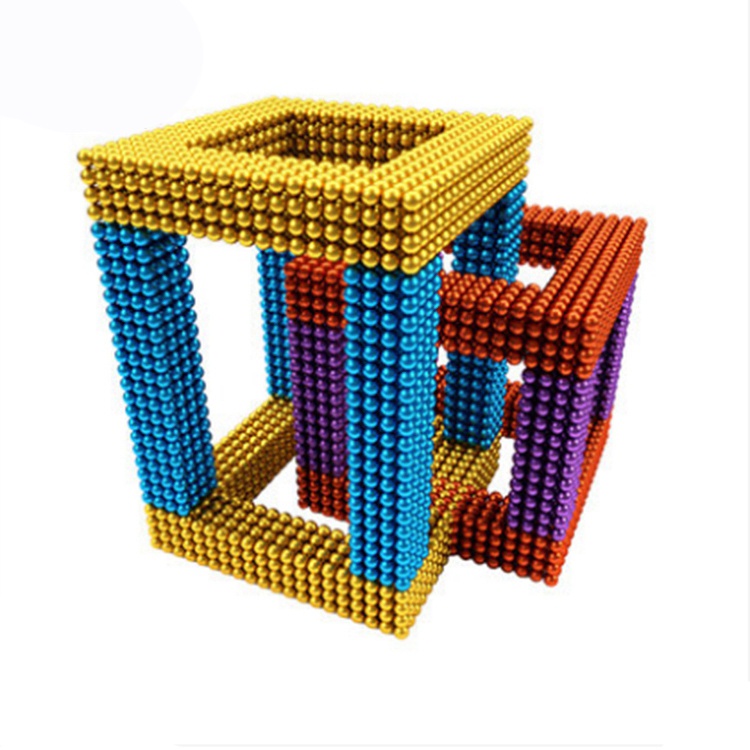
Understanding Neodymium Rare Earth Sphere Magnets (N25)
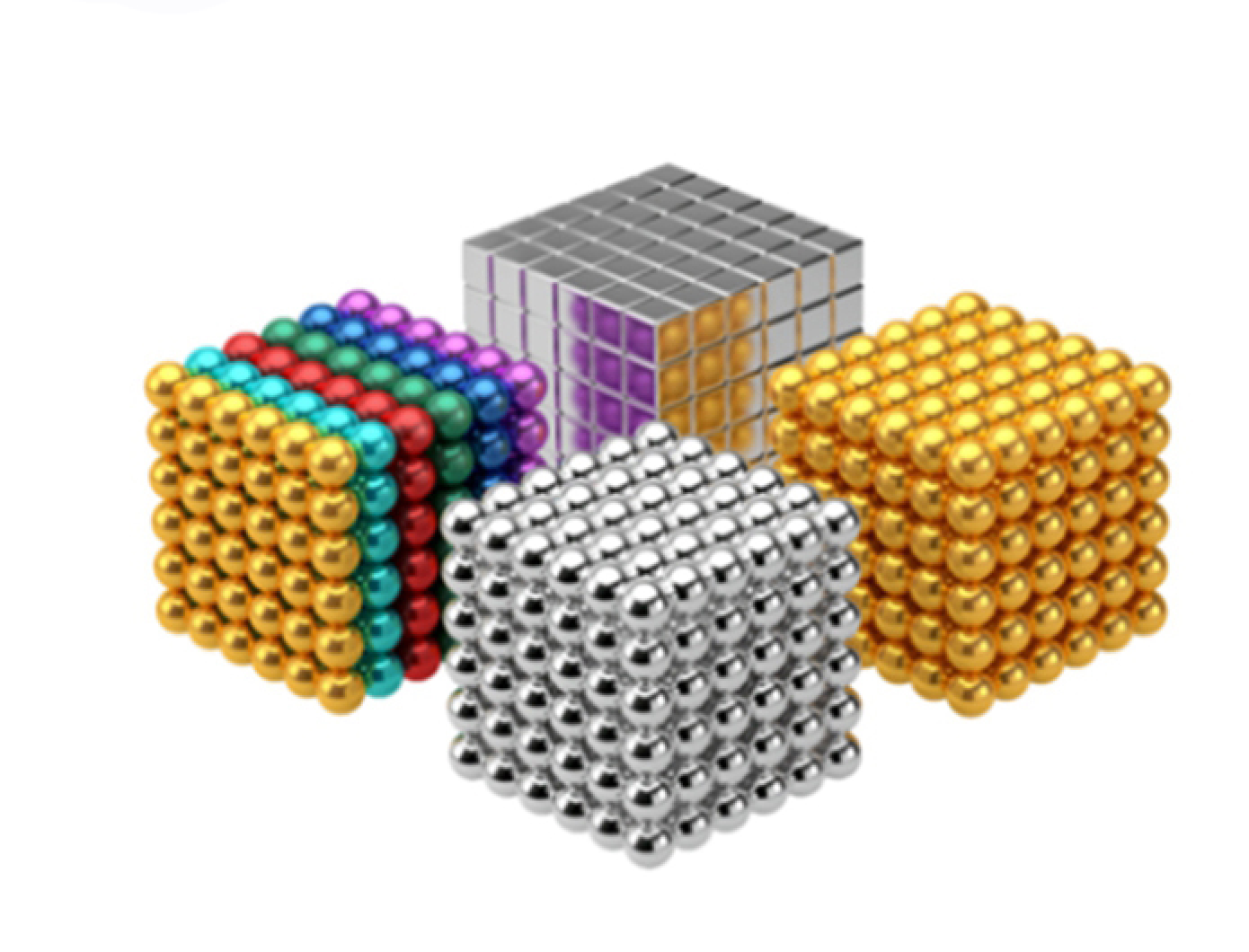
Neodymium Rare Earth Magnets are composed of neodymium, iron, and boron, making them the strongest type of permanent magnets available today. The designation “N25” indicates the strength grade of the magnet, with higher numbers indicating greater magnetic strength. The 5mm Neodymium Rare Earth Sphere Magnets are characterized by their small size and spherical shape, making them suitable for various applications where space is limited.
These magnets exhibit exceptional magnetic properties, including high magnetic flux density and coercivity. The magnetic flux density, measured in teslas, refers to the strength of the magnetic field produced by the magnet. Coercivity, on the other hand, measures the resistance of the magnet to demagnetization.
Comparison with Other Types of Magnets
Neodymium Rare Earth Magnets are renowned for their unparalleled strength, but how do they compare to other types of magnets? Ferrite magnets, also known as ceramic magnets, are commonly used magnets known for their low cost and corrosion resistance. However, they are significantly weaker than Neodymium magnets in terms of magnetic strength.
Alnico magnets, composed of aluminum, nickel, and cobalt, are another type of magnet known for their high coercivity. While they are stronger than ferrite magnets, they still fall short in comparison to Neodymium magnets in terms of magnetic strength.
Samarium-cobalt magnets are notable for their high coercivity and temperature stability. They are often used in applications where high operating temperatures are a concern. However, even samarium-cobalt magnets cannot match the strength of Neodymium magnets.
Practical examples can illustrate the differences in strength between these magnets. For instance, a small Neodymium magnet of the same size as a ferrite magnet can exert a significantly stronger magnetic force. This increased strength allows Neodymium magnets to be used in applications where space and weight constraints are critical.
Factors Influencing Magnet Strength
Several factors contribute to the strength of a magnet. The material composition and manufacturing process play a crucial role in determining the magnetic properties of the magnet. Neodymium Rare Earth Magnets owe their strength to the combination of neodymium, iron, and boron, as well as the process of sintering, which involves compacting and heating the raw materials to form the magnet.
The shape and size of the magnet also influence its strength. Smaller magnets tend to have higher magnetic flux density due to reduced internal resistance. Additionally, magnets with complex shapes, such as sphere magnets, may exhibit unique magnetic properties compared to traditional block or disc magnets.
Environmental factors can also impact magnet performance. Temperature, humidity, and exposure to external magnetic fields can affect the magnetic properties of the magnet, leading to fluctuations in strength over time.
Applications and Implications
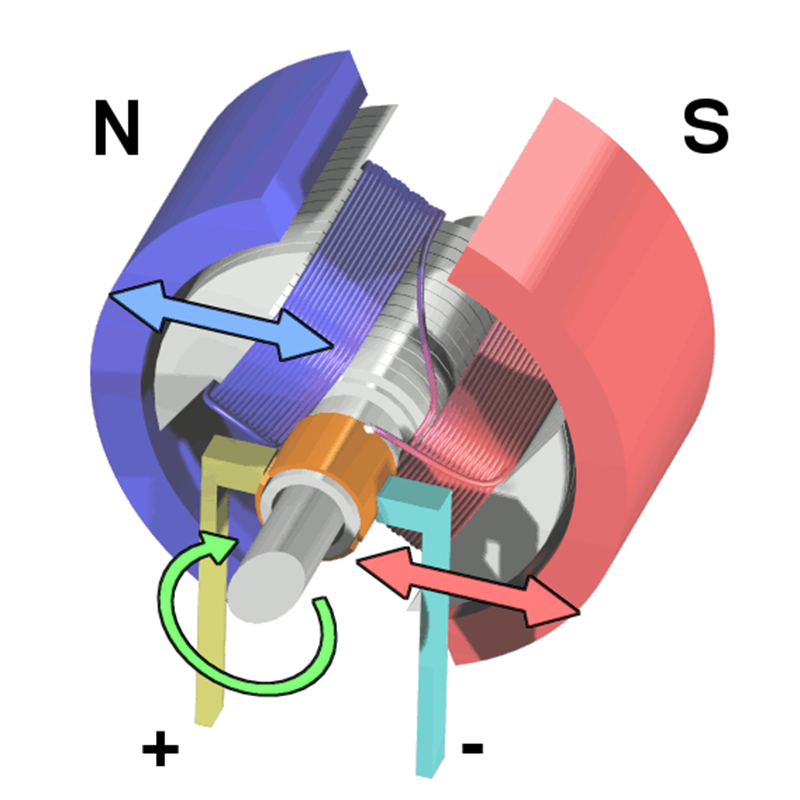
The exceptional strength of Neodymium Rare Earth Magnets makes them indispensable in a wide range of industries and fields. They are used in electric motors, generators, magnetic resonance imaging (MRI) machines, magnetic separators, and magnetic levitation systems, among others.
In the automotive industry, Neodymium magnets are utilized in electric vehicle (EV) motors to provide efficient and high-powered propulsion. In consumer electronics, they are found in speakers, headphones, and hard disk drives, where compact size and strong magnetic force are essential.
The strength of magnets also has significant implications for design and engineering decisions. Engineers must carefully consider the strength requirements of a particular application and select the appropriate magnet accordingly. The use of magnets that are either too weak or too strong can lead to suboptimal performance or even equipment failure.
However, it is essential to acknowledge the potential limitations of using high-strength magnets. Strong magnets pose safety risks, particularly when handling large or powerful magnets. Precautionary measures should be taken to prevent accidents, such as pinching injuries or damage to electronic devices.
اعتبارات السلامة والمناولة
When handling Neodymium Rare Earth Magnets, including 5mm Neodymium Rare Earth Sphere Magnets (N25), certain safety precautions should be observed. These magnets are incredibly powerful and can exert strong attractive forces over long distances. As such, they can pose a danger to individuals if mishandled.
To prevent accidents, it is advisable to handle these magnets with care and avoid bringing them into close proximity to sensitive electronic devices, such as pacemakers or credit cards. Additionally, finger injuries can occur if fingers are caught between two magnets or between a magnet and a metal surface.
When storing Neodymium magnets, it is essential to keep them away from objects that are susceptible to magnetization, such as credit cards, electronic devices, and magnetic storage media. Ideally, Neodymium magnets should be stored in a dry, cool environment to prevent corrosion and maintain their magnetic properties.
الخاتمة
In conclusion, 5mm Neodymium Rare Earth Sphere Magnets (N25) exhibit exceptional strength compared to other types of magnets. Their high magnetic flux density and coercivity make them ideal for various applications where strong magnetic force is required. However, careful consideration must be given to safety and handling precautions to avoid accidents and ensure the optimal performance of these powerful magnets.